What Expiry Dates Actually Mean (And What Food Manufacturers Don’t Tell You)
I threw out a perfectly good block of aged cheddar once because the “best by” date had passed by four days. Four days. My neighbor — a retired food scientist, which I didn’t know at the time — watched me do it and looked genuinely pained. Turns out I’d just binned something that was, by any reasonable standard, totally fine to eat.
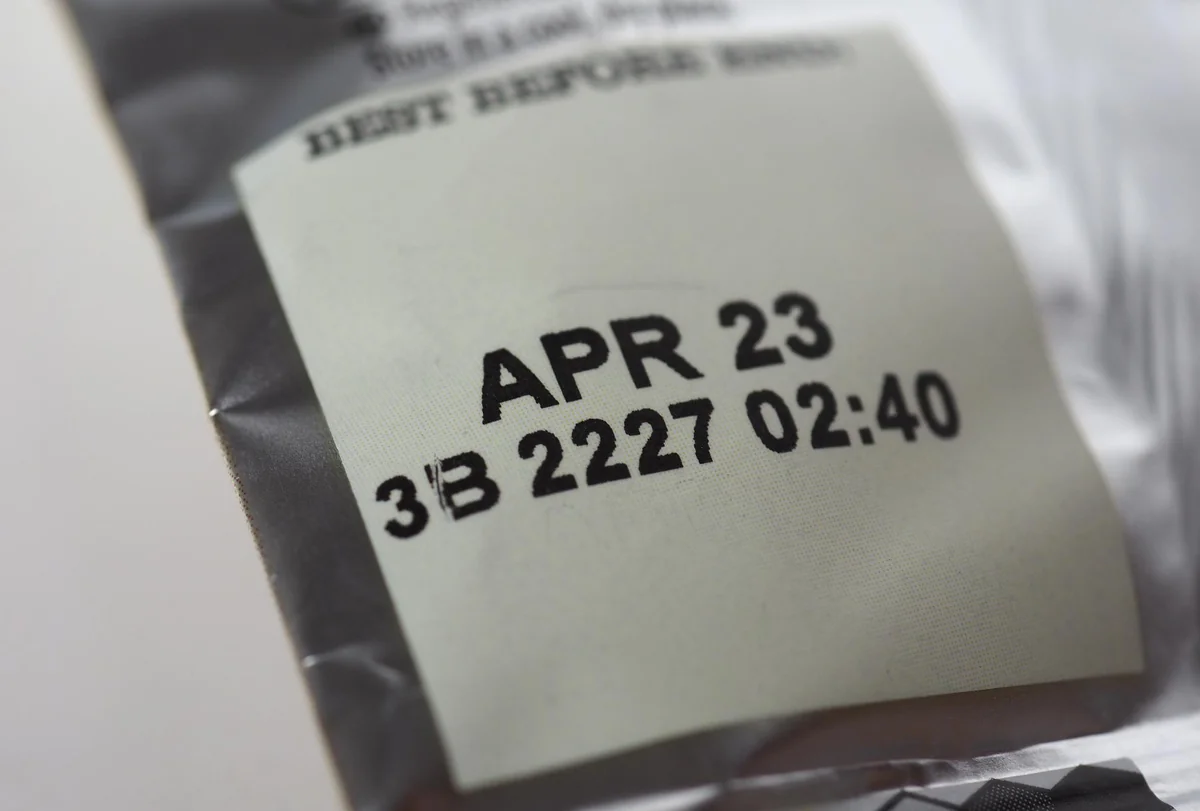
Here’s what most people don’t realize: expiry dates are not a food safety cliff edge. The three main labels you’ll see — “Best By,” “Use By,” and “Sell By” — mean completely different things, and only one of them is actually about safety. “Use By” on perishables like raw meat or dairy? That one matters. Take it seriously. “Best By” and “Sell By” are mostly about peak quality, not whether the food will make you sick. Manufacturers set those dates conservatively, partly for liability reasons and partly because no company wants a customer calling to complain that their crackers tasted stale. The result is that billions of dollars of edible food gets tossed every single year in the U.S. alone.
Not great for your wallet. Worse for the planet.
So how do you actually make the call? Smell, texture, and visual inspection are your real tools here — not the number on the packaging. A carton of eggs can sit in a cold fridge for three to five weeks past its printed date and still be safe (drop one in water; if it floats, bin it). Leftovers follow a different logic entirely. Cooked chicken in the fridge? Three to four days, max, regardless of when you bought it.
And this is where food safety basics get genuinely interesting, because the same critical thinking applies in other contexts too. If you’re someone who takes Genuine supplements daily, you already know that “best by” on a supplement bottle usually just means potency may have slightly declined — not that the product is dangerous. The principle is identical. Context matters enormously.
A useful comparison, honestly:
| Label Type | What It Actually Means | Safety-Critical? |
|---|---|---|
| Use By | Manufacturer’s safety threshold for perishables | Yes — follow strictly |
| Best By | Peak flavor or quality estimate | No — use your senses |
| Sell By | Inventory guidance for retailers | No — often days before actual expiry |
One more thing manufacturers quietly skip over: storage conditions matter as much as the date itself. A Rapid Test Kit for home food safety — yes, those exist now — can actually detect bacterial contamination that a date label tells you nothing about. Temperature abuse (leaving food out for over two hours, say) can make something dangerous well before any printed date. The label assumes ideal storage. Your kitchen fridge that runs at 42°F instead of the recommended 37°F? Already compromising that math.
Odd comparison, but stay with me: even precision industries like automotive cnc machining rely on component tolerance windows rather than single hard-cutoff numbers — because real-world conditions vary. Food freshness works the same way. A range, not a cliff.
And for what it’s worth, I’ve started keeping a small notepad on my fridge door. Leftover dates, open-package notes. Took about a week to become habit. I’ve wasted almost nothing since. (I also stopped buying bulk yogurt. That one was just a me problem.)
Best Before vs. Use By vs. Sell By: The Differences That Could Save You From Food Poisoning
I threw out a perfectly good block of cheddar last year because I misread “sell by” as “use by.” Genuinely haunts me. Those are two completely different things — and mixing them up is one of the most common food safety mistakes people make without even realizing it.

So here’s the breakdown, because this stuff actually matters:
| Label Type | What It Actually Means | Safe to Eat After? |
|---|---|---|
| Sell By | Tells the store when to pull the product from shelves. Has almost nothing to do with you. | Usually yes — often 3–7 days after, depending on the food |
| Best Before | A quality estimate. Peak flavor, texture, or potency — not a safety deadline. | Generally yes, with a sensory check first |
| Use By | The one you actually respect. Manufacturer’s safety threshold, especially for perishables. | Not recommended — this one’s the real cutoff |
“Best before” is the label that trips people up the most. It’s a quality marker — think of it the way you’d think about Genuine supplements that lose potency over time but don’t become toxic. Past their prime? Maybe. Dangerous? Rarely. Your frozen peas from three months ago are almost certainly fine. Bland, possibly. Deadly, no.
“Use by” is different. Completely different. That’s the label on raw poultry, deli meats, soft cheeses — the stuff where bacterial growth is a real, fast-moving risk. Missing that date by even a day or two isn’t a gray area anymore. And no, the sniff test isn’t a Rapid Test Kit. Pathogens like Listeria don’t always smell like anything.
“Sell by” is basically store inventory management wearing a consumer-facing costume. It’s the date the retailer needs to move product — not the date your body cares about.
One thing I’ve noticed — and this is a small detail that makes a big difference — is that manufacturers of products as varied as an nd1000 filter or Disposable Facial Towels use similar “peak performance by” logic for non-food items. The concept isn’t unique to food. But food has actual health stakes attached. That changes everything.
Read the label. Know which one you’re looking at. Genuinely, that’s most of it.
How To Read Expiry Dates on Tricky Packaging Like Canned Goods, Frozen Food, and Deli Items
OK so canned goods nearly broke me once. I’m not being dramatic — I spent a solid ten minutes squinting at the bottom of a can of chickpeas under the kitchen light trying to decode what looked like a laser-etched timestamp from another dimension. Manufacturers stamp those dates in the most inconvenient spots possible, on curved metal surfaces, in fonts approximately two millimeters tall, sometimes embossed rather than printed. (I genuinely think someone in packaging design hates us.)

Here’s the thing with canned goods: the date is almost always a “best by,” not a safety cutoff. Commercially canned food is shelf-stable for years past that stamp — the real enemy is dents, rust, or swelling, not the date itself. A bulging can is a hard no. Always.
Frozen food is a different headache entirely. The date printed on a frozen pizza or bag of shrimp is typically a “best by” for quality — texture, flavor, that kind of thing. Frozen food kept at a consistent 0°F doesn’t really “expire” in a dangerous sense. But freezer burn? That’s quality degradation happening in slow motion, and it matters more than people think. So check the packaging seal, not just the date.
Deli items are where food safety basics actually get stressful. Pre-sliced deli meat — the kind in those vacuum-sealed retail packs — carries a real “use by” that you should respect. Same logic that applies to Genuine supplements with active cultures or live ingredients: once the protective environment is compromised, the clock moves fast. And deli counters? Ask when it was sliced. Seriously just ask.
- Canned goods: look for the embossed stamp on the bottom rim or lid edge
- Frozen items: check the side panel seam — dates hide there constantly
- Deli packaging: the date is usually front-facing, but confirm it’s a “use by” not a “sell by”
- Any packaging that’s torn, resealed, or suspiciously moist — skip it entirely
One thing that surprised me: the precision used in industries like automotive cnc machining — where tolerances are measured in fractions of a millimeter — doesn’t translate to food date stamping at all. There’s no universal standard for placement, format, or font size. A Rapid Test Kit for pathogens has clearer expiry labeling than half the frozen meals in my grocery store. And unlike browsing a Jewelry Showcase where ambiguity is aesthetic, ambiguity on food packaging is just a problem waiting to happen. Same goes for Disposable Facial Towels — even those have clearer expiry indicators. nd1000 filter packaging, same story. Food manufacturers are genuinely behind on this.
When Expired Food Is Still Safe To Eat — And When You Should Absolutely Throw It Out
I once ate yogurt four days past its “best by” date and felt completely fine. I also once trusted a deli container that smelled “mostly okay” and spent a miserable Tuesday regretting that decision. The difference between those two outcomes is basically the entire point of food safety basics — and it comes down to understanding what those dates actually mean versus what your instincts are telling you.
Here’s the honest breakdown. “Best by” and “best if used by” are quality dates — the manufacturer is saying flavor and texture peak before this point, not that the food becomes dangerous after it. “Use by” is different. That one is genuinely safety-relevant, especially on things like deli meats, soft cheeses, and ready-to-eat meals. Toss those when the date hits. No negotiating.
Not everything is that clear-cut, though.
- Dry pasta, white rice, and canned goods — often safe 1-2 years past printed dates if stored properly
- Hard cheeses — cut off visible mold (at least an inch around it), the rest is usually fine
- Eggs — the float test is real; a fresh egg sinks, a bad one floats
- Genuine supplements — check these carefully; potency degrades and some formulations become chemically unstable past expiry
- Raw meat and fish — if it’s past date, just don’t. Smell alone won’t save you here
So what’s the actual rule? Use your senses, but know their limits. Smell, color, and texture catch a lot — but not everything. Listeria and salmonella don’t always announce themselves with a smell. This is where a Rapid Test Kit would theoretically help, though most of us aren’t running pathogen tests in our kitchens (fair).
And honestly, the “when in doubt, throw it out” advice gets mocked as wasteful — but it exists for a reason. A $4 container of sour cream is not worth two days of misery. Treat expiry dates the way you’d treat a nd1000 filter replacement window or the care instructions on Disposable Facial Towels: they’re guidelines built on real data, not just suggestions.
The stuff that trips people up most? Condiments. Mustard left in a hot car. Opened coconut milk sitting in the fridge for three weeks. Leftovers without a date written on them — a mistake I still make, even after writing about food safety basics for years.
Conclusion
Food Safety Basics really does come down to two things: temperature and time. Get those wrong consistently, and no amount of sniffing leftovers or checking labels will bail you out.
Honestly, the habit that changed things for me was just writing dates on containers. A marker on the lid takes three seconds. It has saved me from eating week-old rice more than once — and rice is one of the sneaky ones that can genuinely make you sick without smelling off at all.
Start there. One small habit beats a whole mental checklist you’ll forget under pressure.
Frequently Asked Questions
Q: What are the Food Safety Basics everyone should actually know?
A: Temperature and time — those are the two things that’ll make or break your food safety habits. Keep cold food below 40°F and hot food above 140°F, and don’t leave anything sitting in that danger zone (between those two numbers) for more than two hours. Everything else in Food Safety Basics is basically a variation of those two rules.
Q: How long can cooked leftovers stay in the fridge before they’re unsafe to eat?
A: Three to four days is the standard window for most cooked leftovers — and that’s assuming your fridge is actually running at or below 40°F, which a lot of home fridges aren’t (grab a $10 fridge thermometer from OXO or any hardware store and check). Cooked rice is the sneaky exception a lot of people don’t know about: it can harbor Bacillus cereus bacteria that survive reheating, so treat it more aggressively and toss it after two days if you’re not sure.
Q: Why does Food Safety Basics keep emphasizing the “danger zone” temperature range?
A: Because bacteria like Salmonella and Staph aureus don’t just survive between 40°F and 140°F — they double in population roughly every 20 minutes at peak temps. Two hours in that range sounds like a lot until you realize a summer BBQ plate sitting on a table can hit that limit faster than you’d think. This is why Food Safety Basics isn’t just about spoiled smells; dangerous food often smells completely fine.
Q: Can I refreeze meat that’s already been thawed?
A: If you thawed it in the refrigerator (not on the counter), yes — you can refreeze it, though the texture will take a hit from the extra ice crystal damage. If you thawed it in cold water or the microwave, cook it first before refreezing. Never refreeze anything that sat out at room temperature to thaw; that’s where Food Safety Basics gets ignored most often, and it’s how people end up sick.
Q: How do I know if my cutting board is actually a cross-contamination risk?
A: Deep knife grooves that you can’t scrub clean are the real problem — bacteria hide in those cuts and survive washing. The fix is simple: use separate boards for raw meat and produce (color-coded sets like the ones from Farberware run about $15–$20), and replace any board that’s heavily scored. A scratched-up wooden board that’s been used for raw chicken for three years isn’t a “seasoned” board; it’s a petri dish.
Q: Is it worth using a food thermometer, or can I just judge doneness by look and feel?
A: Honestly, judging by look alone is one of the most common Food Safety Basics mistakes home cooks make. Chicken can look fully cooked — no pink, juices running clear — and still be under 165°F internally. A decent instant-read thermometer like the ThermoPop 2 costs around $35 and takes the guesswork out entirely; it’s probably the single most useful tool for anyone serious about not getting their family sick.
Q: How much does proper food storage actually matter if I’m eating leftovers within a day or two?
A: More than most people assume — even overnight storage matters if the food wasn’t cooled properly before going into the fridge. A big pot of soup that went straight from the stove into the fridge still-steaming can take hours to drop below 40°F at its center, which means bacteria had a head start all night. The Food Safety Basics rule here is to divide hot food into shallow containers before refrigerating so it cools fast and evenly.
Q: Why do I need to wash my hands for 20 seconds — isn’t a quick rinse good enough?
A: A quick rinse removes almost nothing; the friction and soap contact time is what physically breaks down and removes bacteria from your skin’s surface. Twenty seconds gets you through two full rounds of “Happy Birthday” — which sounds ridiculous until you realize most people rinse for about three seconds. This is one of those Food Safety Basics steps that costs nothing and actually works, so there’s really no excuse to skip it.