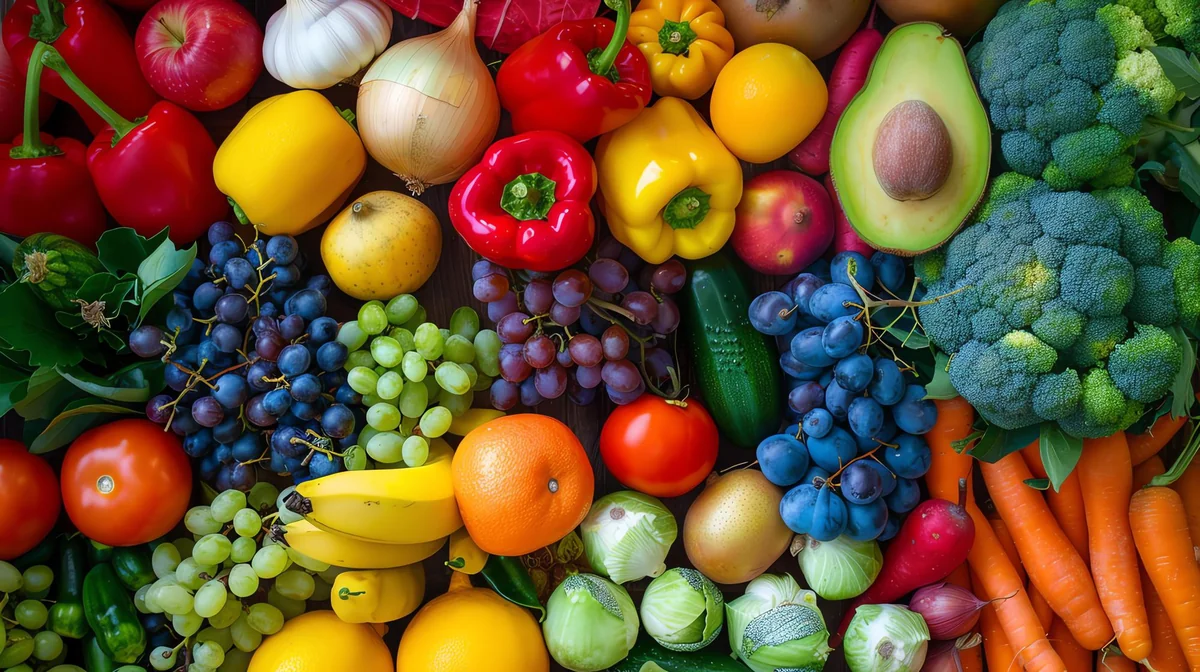
Why Nutrition Pairing Actually Changes How Your Body Uses Food
Most people think eating well is just about what’s on the plate. It’s not. The sequence, combination, and timing of nutrients you consume can shift how efficiently your body actually absorbs and uses those nutrients — sometimes dramatically. That’s the core idea behind any serious Nutrition Pairing Guide, and honestly, the science here is more interesting than most diet advice you’ll read.
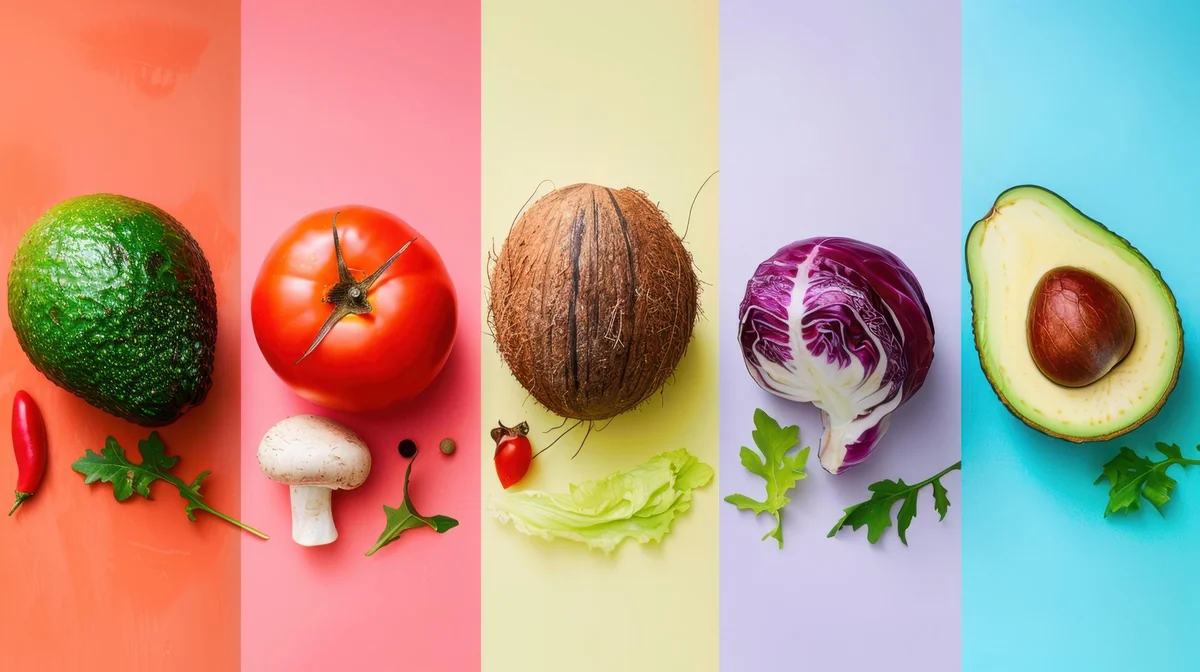
Take iron absorption as a concrete example. Non-heme iron (the kind from plants like spinach or lentils) has a notoriously low absorption rate — somewhere around 2–20% depending on what else you ate that meal. Add vitamin C to the same meal and that number climbs significantly. The ascorbic acid reduces ferric iron to ferrous iron, which your gut lining actually knows how to pull in. That’s not a wellness blog claim; that’s basic digestive biochemistry. And yet most people eating a spinach salad aren’t thinking about this at all.
Fat-soluble vitamins are another case worth understanding. Vitamins A, D, E, and K essentially need dietary fat present to get absorbed properly — without it, a meaningful chunk just passes through. So eating a raw carrot (rich in beta-carotene, a vitamin A precursor) with zero fat is, nutritionally speaking, a bit of a waste. Pair it with olive oil or avocado, and the picture changes completely.
Not just absorption, either. Some pairings affect digestion speed — which matters for blood sugar response. Combining protein or fat with fast-digesting carbohydrates slows gastric emptying (basically how fast your stomach pushes food into the small intestine), which blunts glucose spikes. That’s why a plain rice cake hits differently than rice with chicken and olive oil.
- Nutrient absorption rates can vary by 200–300% based on what foods accompany them
- Enzyme activity in digestion is influenced by food combinations, not just individual ingredients
- Blood sugar response to the same carbohydrate changes depending on protein and fat present in the meal
- Certain compounds actively block absorption — calcium and iron compete for the same transport pathway
So this isn’t abstract theory. Real, measurable differences happen at the cellular level depending on how you combine foods. That’s the whole point of building a Nutrition Pairing Guide worth following.
The Core Rules of Smart Meal Planning With Complementary Nutrients
OK so here’s the thing most people miss: smart meal planning isn’t about eating “clean” — it’s about eating strategically. That distinction matters more than most nutrition content will ever admit.
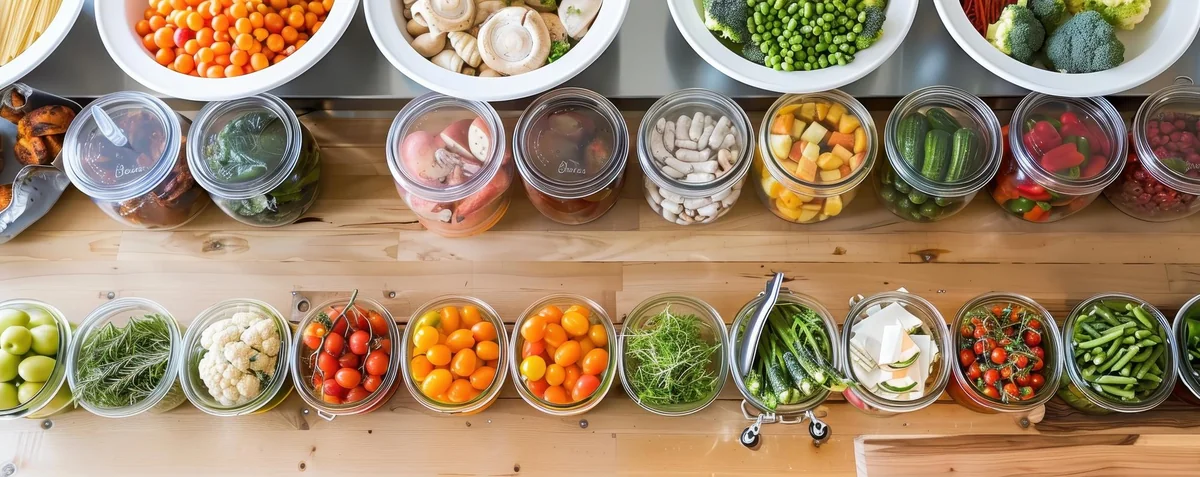
Rule one, and honestly the most practical one: pair your iron-rich foods with vitamin C sources at the same meal. Non-heme iron — the kind in spinach, lentils, tofu — absorbs at a pretty dismal rate on its own. We’re talking somewhere around 2–20% depending on the person. Add a squeeze of lemon juice or half a bell pepper, and that absorption rate can jump dramatically. That’s not a minor tweak. That’s the difference between a meal that actually builds your iron stores and one that just… passes through.
Not complicated. Just intentional.
Rule two is about fat-soluble vitamins — A, D, E, and K — which flat-out need dietary fat to absorb properly. A fat-free dressing on a kale salad is almost counterproductive (yes, really). Even a tablespoon of olive oil or a quarter of an avocado changes the absorption picture entirely. Any solid Nutrition Pairing Guide puts this front and center, because it’s one of the highest-impact swaps you can make without changing what you eat at all.
Rule three is timing and separation. Calcium and iron compete for the same intestinal transport proteins, so stacking both into the same meal creates a bottleneck. Dairy at breakfast, iron-rich meals at lunch — simple enough to actually stick to.
- Pair vitamin C with plant-based iron sources every time, not occasionally
- Never dress raw greens with fat-free dressings if fat-soluble vitamins are the goal
- Separate high-calcium meals from iron-rich ones by at least a few hours
- Add a protein source to carbohydrate-heavy meals to slow gastric emptying
- Use zinc-rich foods (pumpkin seeds, beef, chickpeas) away from high-phytate grains when possible
And the meta-rule underneath all of this — the one that holds any real Nutrition Pairing Guide together — is consistency over perfection. Getting these pairings right 80% of the time beats a flawless theoretical plan you abandon by Wednesday.
Best Nutrition Pairings for Energy, Absorption, and Everyday Meals
So here’s where the rubber meets the road — actual meals, actual energy, actual absorption. Not theory. The pairings below are the ones that show up consistently in both the research and in practical eating patterns, which is a combination that doesn’t happen as often as it should in a Nutrition Pairing Guide.

Fat-soluble vitamins (A, D, E, K) are essentially useless without dietary fat present. This isn’t a minor footnote. A 2015 study from Ohio State found that people eating salads with fat-free dressing absorbed near-zero carotenoids compared to those using full-fat versions. So that “healthy” fat-free vinaigrette? It’s actively working against you. Something like a drizzle of olive oil — even just 10–15ml — is enough to flip absorption from negligible to meaningful.
For sustained energy specifically, the protein-plus-carb pairing is the most underrated tool in the kit. Carbohydrates spike blood glucose fast; protein slows gastric emptying and blunts that spike. Greek yogurt with oats. Eggs on whole grain toast. Lentil soup (which does both jobs simultaneously, honestly). The practical effect is fewer energy crashes by mid-afternoon, which most people just chalk up to “that’s how I am” rather than a fixable meal structure problem.
Straight up: magnesium and vitamin B6 deserve more attention than they get.
B6 increases the cellular uptake of magnesium — and magnesium is involved in over 300 enzymatic reactions, including ATP production (that’s your actual cellular energy currency). Pairing foods like sunflower seeds or bananas with magnesium-rich sources like dark leafy greens or black beans creates a quiet but measurable efficiency boost. Not glamorous. Works anyway.
| Pairing | Primary Benefit | Easy Meal Example |
|---|---|---|
| Vitamin C + plant iron | Iron absorption up to 3x higher | Lentils with tomato and lemon |
| Fat + fat-soluble vitamins | Near-zero vs. meaningful absorption | Spinach salad with olive oil dressing |
| Protein + carbohydrates | Steadier blood glucose, longer energy | Eggs on whole grain toast |
| B6 + magnesium | Enhanced cellular magnesium uptake | Banana with a handful of pumpkin seeds |
| Turmeric + black pepper | Curcumin bioavailability up to 2000% | Golden milk, spiced rice dishes |
And the turmeric-black pepper pairing deserves its own mention — piperine in black pepper dramatically increases curcumin absorption, which is the whole reason turmeric does anything useful in the body. Without it, most of the curcumin passes straight through. A complete Nutrition Pairing Guide that skips this one is missing something obvious.
How to Build a Weekly Meal Plan Around Strategic Nutrient Combinations
Most people approach meal planning backwards — they pick foods they like, then wonder why they feel sluggish by Thursday. Building a week around strategic nutrient combinations flips that logic entirely, and it’s honestly not as complicated as it sounds once you see the pattern.
The core idea is simple. Anchor each day around two or three of the pairings you’ve already seen in this Nutrition Pairing Guide, then build meals outward from there rather than bolting pairings onto whatever you were already going to eat.
Here’s a practical structure that actually works:
- Pick one fat-soluble vitamin pairing per day (vitamin D + K2, or iron + vitamin C) and assign it to your largest meal — the one you’re least likely to skip.
- Rotate your protein-carb combinations across breakfast and lunch so blood glucose stays steadier without having to think about it constantly.
- Use one anti-inflammatory pairing — turmeric-black pepper, omega-3s with leafy greens — at dinner, when your body’s doing most of its repair work anyway.
- Keep a “buffer” meal on Fridays or Sundays that’s intentionally flexible, so the plan doesn’t collapse the moment life gets in the way.
And the weekly reset matters more than any single meal. A lot of people obsess over Tuesday’s lunch and ignore the fact that their whole week is iron-heavy but magnesium-light, which creates its own absorption issues over time. (A simple free tracking app — Cronometer is a solid option — will show you these gaps faster than any spreadsheet you’ll build yourself.)
Variety by design, not by accident.
That’s the shift a real Nutrition Pairing Guide pushes you toward. Not rigid rules, not a color-coded binder — just a loose weekly framework where the combinations do the heavy lifting so you’re not starting from scratch every Monday morning wondering why you’re tired all the time.
Conclusion
The whole point of a Nutrition Pairing Guide isn’t to make eating more complicated — it’s to stop leaving absorption on the table when the fix is literally just adding black pepper or swapping your coffee timing by an hour.
Start with one or two pairings that actually fit how you already eat. That’s it. Don’t overhaul everything at once, because you won’t stick to it and you’ll blame the approach instead of the rollout.
Small, deliberate combinations — repeated consistently across a week — will do more for how you feel than any single “superfood” ever will.
Frequently Asked Questions
Q: What is a Nutrition Pairing Guide and how is it different from a regular meal plan?
A: A Nutrition Pairing Guide focuses specifically on which foods work better together — think iron with vitamin C, or fat with fat-soluble vitamins like A, D, E, and K — rather than just telling you what to eat in a given week. A meal plan is about structure; a pairing guide is about absorption. You can layer one on top of the other, but they’re solving different problems.
Q: Why does food pairing actually matter for nutrition?
A: Because eating a nutrient and absorbing a nutrient aren’t the same thing. Spinach is loaded with iron, but without something like lemon juice or a bell pepper alongside it, your body’s actually pulling in a fraction of what’s there — non-heme iron absorption can drop below 2% in unfavorable conditions. That’s the whole gap a Nutrition Pairing Guide is designed to close.
Q: How long does it take to notice results from following a Nutrition Pairing Guide?
A: Most people report feeling a difference in energy levels within two to three weeks of consistently applying even a handful of smart pairings — especially if they were previously low in iron or magnesium without knowing it. Structural changes like bone density take months. But the “less tired by 3pm” stuff? That can show up faster than you’d expect.
Q: Can I follow a Nutrition Pairing Guide if I’m vegetarian or vegan?
A: Honestly, it matters more if you’re plant-based. Non-heme iron (the kind in plants) is significantly harder to absorb than heme iron from meat, so pairings like lentils with tomatoes or tofu with broccoli aren’t just nice-to-haves — they’re doing real work. Phytates in grains and legumes also block zinc absorption, which is why soaking or sprouting before cooking is a pairing strategy in itself.
Q: What are the most important food pairings to start with?
A: Iron plus vitamin C is the one most people are missing and it’s the easiest fix — squeeze half a lemon over your greens or add a handful of strawberries to your iron-rich breakfast. After that, fat with fat-soluble vitamins is probably the highest-return pairing: a drizzle of olive oil (even just a teaspoon) over a salad can increase beta-carotene absorption by up to 400% compared to eating it dry. Start there before worrying about anything else.
Q: Is there anything a Nutrition Pairing Guide says I should stop combining?
A: Coffee and iron supplements — or iron-rich meals — is the big one. Polyphenols in coffee can reduce iron absorption by up to 60%, so spacing your coffee at least an hour away from iron-heavy meals is genuinely worth doing. Calcium and iron compete for the same absorption pathways too, which is why taking a calcium supplement with a spinach salad is basically canceling yourself out.
Q: How much does following a Nutrition Pairing Guide cost compared to buying supplements?
A: That’s the thing — most pairings cost nothing extra because you’re combining foods you’re already buying. Black pepper with turmeric (piperine boosts curcumin absorption by up to 2,000%) doesn’t add a cent to your grocery bill. Compare that to a mid-range curcumin supplement from a brand like Thorne or Garden of Life running $30–$50 a month, and the math gets pretty clear pretty fast.
Q: Do I need to follow a Nutrition Pairing Guide perfectly to get benefits?
A: Not even close — consistency with two or three key pairings beats perfection across twelve. The whole point is that small, repeated combinations compound over time. Pick the ones that fit how you already eat and ignore the rest for now; you can always add more once the first ones feel automatic.