Food Safety Basics Taught Through Real Kitchen Mistakes
The kitchen is where food safety basics either stick or get quietly ignored — and most people learn the hard way, not from a textbook. A lot of common mistakes aren’t dramatic. Nobody collapses dramatically after touching raw chicken. But the habits that lead to actual foodborne illness are almost always mundane, repeatable, and completely fixable.
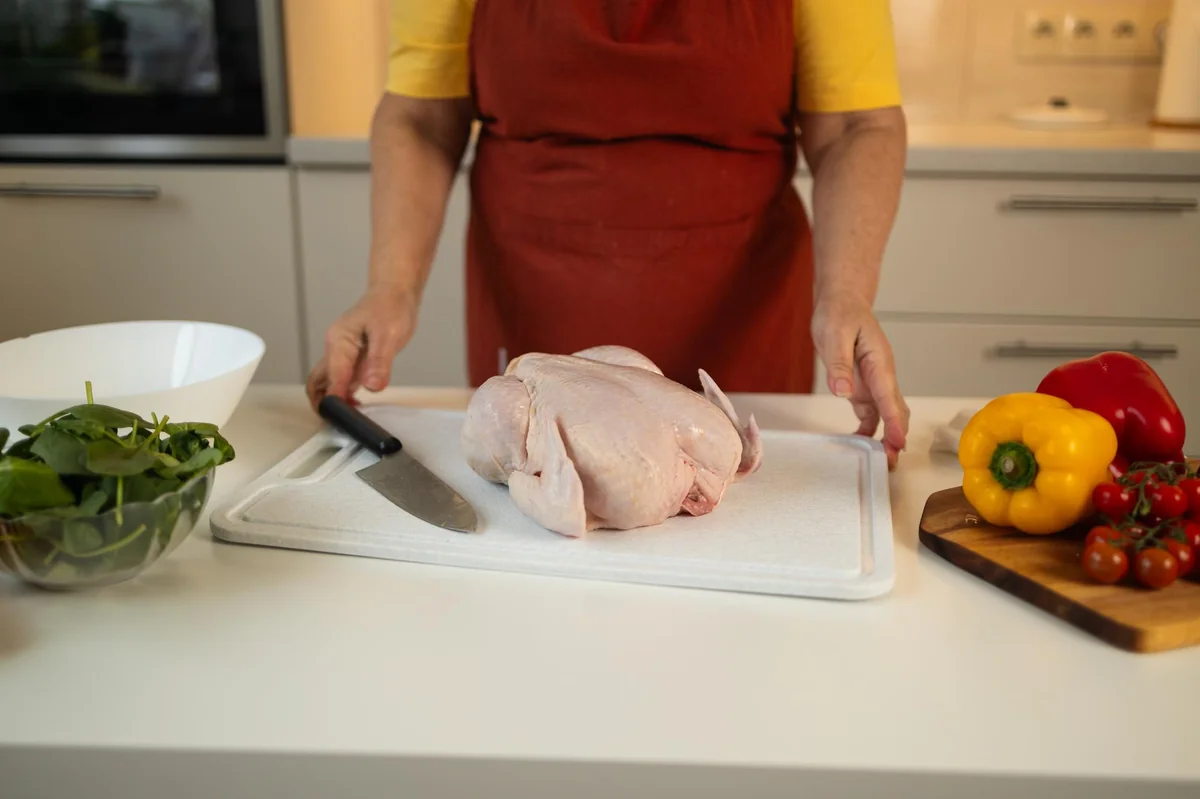
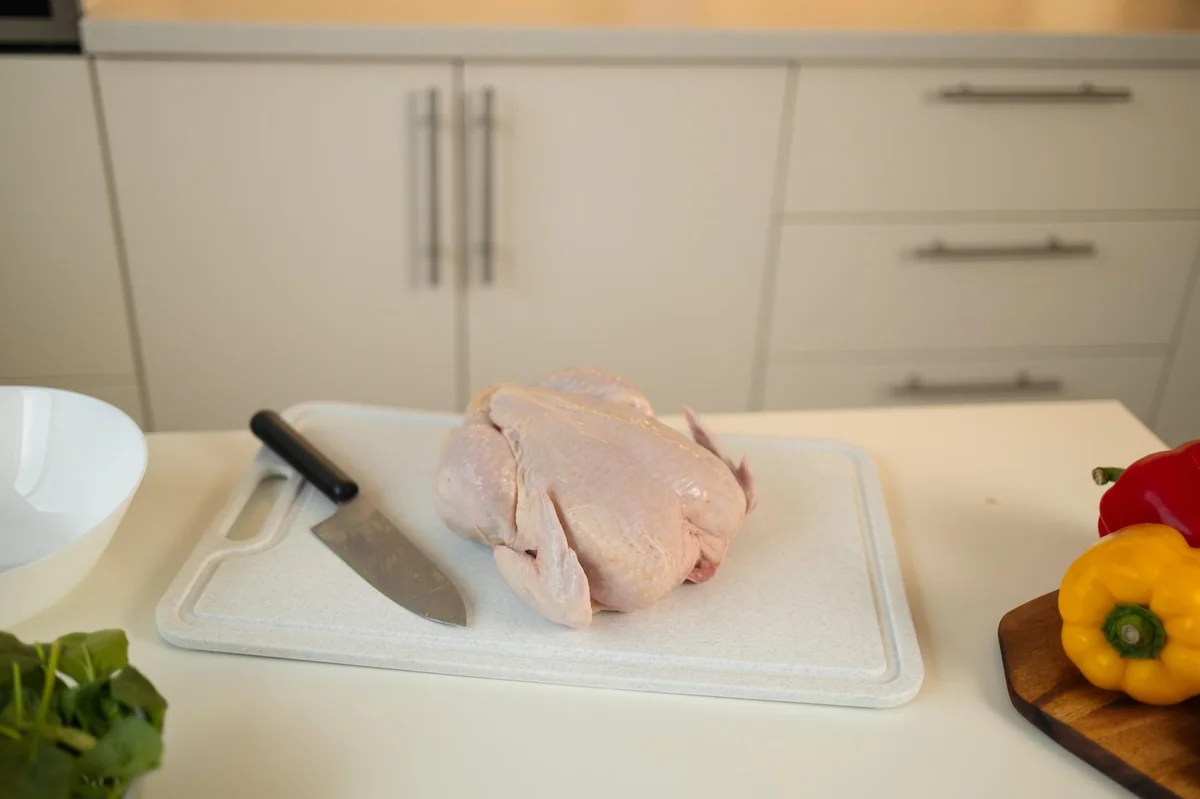
Take cross-contamination. It’s probably the most misunderstood concept in home cooking. The classic error: someone trims raw chicken on a cutting board, rinses it under the tap (which, for the record, actually spreads bacteria further across your sink), then uses the same board for salad greens without washing it. The greens never get cooked. The bacteria do not care.
Real. Avoidable. Happens constantly.
Temperature abuse is the other big one — and it’s sneakier. The USDA’s “danger zone” sits between 40°F and 140°F, which is the range where bacteria multiply fast enough to cause problems. Leaving a pot of soup on the counter to “cool down” before refrigerating sounds reasonable, but a large pot can sit in that danger zone for two or three hours before the center drops to a safe temp. The fix is simple: split it into shallow containers. Faster cooling, no guesswork.
So here’s a practical breakdown of the mistakes that come up most in real kitchens — and what actually goes wrong when they happen:
- Using one cutting board for everything — raw proteins and produce share bacteria this way, no matter how careful you think you’re being
- Thawing meat on the counter — the outer surface hits danger-zone temps while the center is still frozen
- Tasting food with a cooking spoon, then stirring with it — introduces oral bacteria back into the pot
- Storing raw meat on an upper fridge shelf — drips contaminate everything below it
- Ignoring “use by” dates on deli products (especially items like packaged turkey or pre-cut fruit, which spoil faster than most people expect)
And the thing is, none of this requires a culinary degree. Food safety basics come down to temperature awareness, separation habits, and not skipping the hand-wash between tasks. Small adjustments. Consistent payoff.
The Cross-Contamination Mistakes That Actually Make People Sick (And How to Stop Making Them)
Cross-contamination is sneaky. It doesn’t announce itself. You can do everything else right — buy fresh ingredients, cook at the right temperature, refrigerate promptly — and still give yourself or someone else a miserable 48 hours, all because of one sloppy handoff between a raw chicken breast and the cutting board you used five minutes later for romaine.
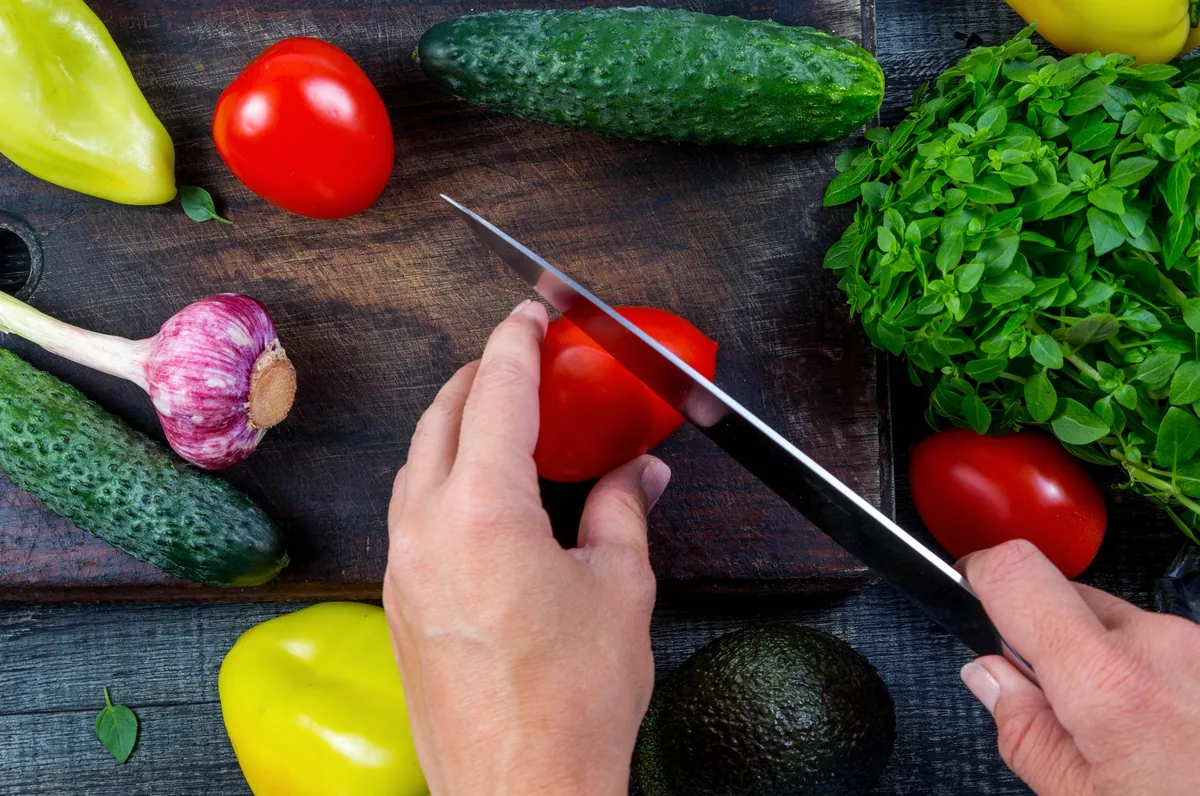
The part that trips most people up isn’t ignorance — it’s assumption. The assumption that a quick rinse counts as cleaning (it doesn’t, not for bacteria), or that because something looks fine it’s fine (Listeria is odorless and colorless, so good luck with that logic). Raw juices spread on contact. That’s just physics.
So here’s where the real damage happens:
- Using the same cutting board for raw meat and ready-to-eat food without washing it with hot soapy water in between — not a rinse, an actual scrub
- Wiping hands on a kitchen towel after touching raw protein, then using that same towel to dry a plate (towels are one of the most contaminated surfaces in the average kitchen — worse than the toilet, per multiple microbiology studies)
- Rinsing raw poultry in the sink, which aerosolizes bacteria onto surrounding surfaces up to three feet away
- Letting raw meat packaging touch produce, deli items, or anything else in your grocery bag or fridge
- Using a marinade that touched raw meat as a basting sauce — unless it’s been brought to a full boil first
Color-coded cutting boards — the cheap ones run about $15 for a set — actually solve most of this without requiring any mental overhead. Red for raw meat, green for produce. Done. Boring solution. Genuinely works.
And honestly, the towel thing deserves its own moment of attention. Paper towels exist for a reason. A damp kitchen cloth hanging on an oven handle for three days isn’t a cleaning tool anymore — it’s a petri dish with a hook.
Food safety basics aren’t about paranoia. They’re about recognizing that cross-contamination is a transfer problem, and transfers are controllable. Separate surfaces. Separate tools. Wash hands between tasks, not just at the start. The margin for error is smaller than most home cooks realize — but so is the effort required to close it.
What Real Kitchen Temperature Errors Teach You About Food Safety Rules
Temperature is where most food safety basics get ignored — not out of laziness, exactly, but because the consequences are invisible until they aren’t. You can’t see bacteria multiplying in a chicken breast sitting at 55°F. You just feel it later.
The danger zone is 40°F to 140°F. Anything in that range is a slow-motion problem. What’s actually useful to understand is how fast that problem compounds: bacterial counts can double every 20 minutes under the right conditions. So a piece of cooked rice left on the counter for two hours isn’t just “a little risky” — it’s a fundamentally different food than it was when it came off the stove.
Not theoretical. Measurable.
A lot of home cooks get tripped up on the reheating side of this — they assume hot means safe. But “hot” isn’t a temperature. Reheating leftovers to 165°F internal is the actual standard, and most stovetop reheating doesn’t get there evenly. Stirring matters. A Thermapen or any decent instant-read thermometer (they run $15–$100 depending on how serious you want to get) takes the guesswork out entirely. The cheap ones work. Use one.
And the fridge itself is worth checking. Most residential refrigerators run warmer than people assume — sometimes 45°F or higher, especially near the door. An appliance thermometer costs about $8 and tells you immediately whether your fridge is actually doing its job. (Most people have never checked. It’s a little alarming when you do.)
Cooling hot food is its own separate failure point. The rule is getting cooked food below 40°F within two hours. Putting a giant pot of soup directly into the fridge doesn’t do that — the center stays warm for hours, sitting right in the danger zone while everything around it chills. Shallow containers. Ice baths. Actual solutions, not just good intentions.
Food safety basics, applied to temperature, come down to one uncomfortable truth: your instincts about what’s “probably fine” were calibrated by luck, not food science.
The Food Storage Habits Most Home Cooks Get Wrong — And the Fixes Are Simpler Than You Think
Storage containers are where most people’s food safety basics instincts completely fall apart — and the mistakes are so mundane that nobody talks about them.
Take leftovers. The default move is to shove them in whatever container is clean, seal it, and forget about it for four or five days. But the FDA’s guideline on cooked leftovers is three to four days maximum in the fridge, and that clock starts the moment the food finished cooking — not the moment you remembered to put it away. A lot of people are eating day-five chicken and calling it fine. It’s not fine. It’s a coin flip.
And raw meat storage is its own disaster waiting to happen. Raw chicken sitting on the middle shelf above salad greens isn’t just a bad idea — it’s a textbook cross-contamination setup. Raw proteins belong on the bottom shelf, always, in a container that won’t leak. That’s not optional. (Most home cooks know this in theory and ignore it in practice, which is exactly how food safety basics stop being basic and start being a problem.)
A few habits that actually make a difference:
- Label containers with the date you made the food — a roll of masking tape and a marker costs almost nothing and eliminates all the guesswork.
- Store raw meat on the lowest fridge shelf, sealed, away from ready-to-eat foods.
- Use shallow containers — two inches deep or less — for anything you’re chilling fast.
- Don’t store food in opened cans; the metal can affect flavor and safety after the seal is broken.
The pantry side of this gets neglected too. Dry goods in partially-opened bags — flour, rice, oats — are an open invitation for moisture and pests. Airtight containers fix that instantly. OXO’s Pop containers are the obvious recommendation here, but honestly any sealed container beats a folded-over bag held shut with a chip clip.
Small fixes. Real results. Not complicated.
Conclusion
None of this requires a kitchen overhaul — it requires about ten minutes of adjusted habit. Label your leftovers, keep raw meat on the bottom shelf, cool food fast in shallow containers. That’s the core of it. Food Safety Basics isn’t a checklist you run through once; it’s a handful of automatic behaviors that become invisible once you do them enough times.
The stuff that actually gets people sick isn’t dramatic. It’s the container left on the counter too long, the unlabeled mystery from two weeks ago, the raw chicken sitting next to the salad greens. Small oversights. Consistent consequences.
Fix the small things now — before they fix you later.
Frequently Asked Questions
Q: What are the Food Safety Basics everyone should actually know?
A: The core four — clean, separate, cook, chill — cover about 90% of what makes food dangerous at home. Keep raw meat away from ready-to-eat food, hit proper internal temps (165°F for poultry, 145°F for whole cuts of beef or pork), and get leftovers into the fridge within two hours. That’s really the whole game.
Q: How long do leftovers actually last in the fridge?
A: Most cooked leftovers are good for 3–4 days at 40°F or below — not a week, not “until it smells weird.” The problem is that dangerous bacteria like Salmonella don’t always change the smell or look of food, so the sniff test isn’t a reliable safety check. Label the container with the date when you put it in; it takes two seconds and removes all the guesswork.
Q: Why is the “danger zone” temperature range such a big deal in Food Safety Basics?
A: Between 40°F and 140°F, bacteria can double in number roughly every 20 minutes — so food sitting at room temperature isn’t just sitting there, it’s actively getting worse. Two hours is the outer limit before you’re taking a real risk; in hot weather (above 90°F), that window shrinks to one hour. This is the single most misunderstood concept in home food safety.
Q: How do I know if my fridge is actually cold enough?
A: Your fridge display isn’t always accurate — get a standalone appliance thermometer (Taylor and Rubbermaid both make reliable ones for under $15) and put it on the middle shelf. You’re targeting 37–38°F, which gives you a buffer before hitting the 40°F danger threshold. Most people’s fridges run warmer than they think.
Q: Can I refreeze meat that’s already been thawed?
A: If it thawed in the fridge and never got above 40°F, refreezing is technically safe — though the texture takes a hit from ice crystal damage. If it thawed on the counter or in warm water, cook it first before refreezing; don’t put it back raw. The USDA is pretty clear on this distinction, and it’s one of the Food Safety Basics that trips people up constantly.
Q: How much does cross-contamination actually matter when handling raw chicken?
A: A lot — raw poultry is one of the most common sources of Campylobacter and Salmonella contamination in home kitchens. Use a dedicated cutting board for raw meat (color-coded boards, like the ones from OXO’s Good Grips line, make this effortless) and wash your hands after handling it, not just the board. One slip — like resting a cooked piece back on the same unwashed surface — is enough.
Q: Is it worth using a food thermometer, or can you just tell when meat is cooked?
A: Visual cues like color and texture are genuinely unreliable — meat can look fully cooked and still be 20 degrees short of a safe internal temp. A decent instant-read thermometer (the ThermoPop 2 runs about $35) pays for itself the first time it stops a bad meal. Food Safety Basics pretty much require one if you’re cooking anything thicker than a burger.
Q: Why does food safety matter more for certain people than others?
A: Pregnant women, adults over 65, young children, and anyone immunocompromised face significantly higher risks from foodborne illness — what’s a rough 24 hours for a healthy adult can become a serious hospitalization for someone in those groups. That’s not a scare tactic; it’s just physiology. If you’re cooking for anyone in those categories, the Food Safety Basics aren’t optional habits — they’re non-negotiable.