Why Matching Your Endoscopy Scope to the Procedure Actually Matters More Than You Think
I watched a GI doc struggle for twenty minutes last month trying to navigate a sigmoid colon with the wrong scope. Twenty minutes. The patient was fine — sedated, thankfully — but the whole thing could’ve been avoided if someone had just grabbed the pediatric colonoscope instead of the standard adult one.
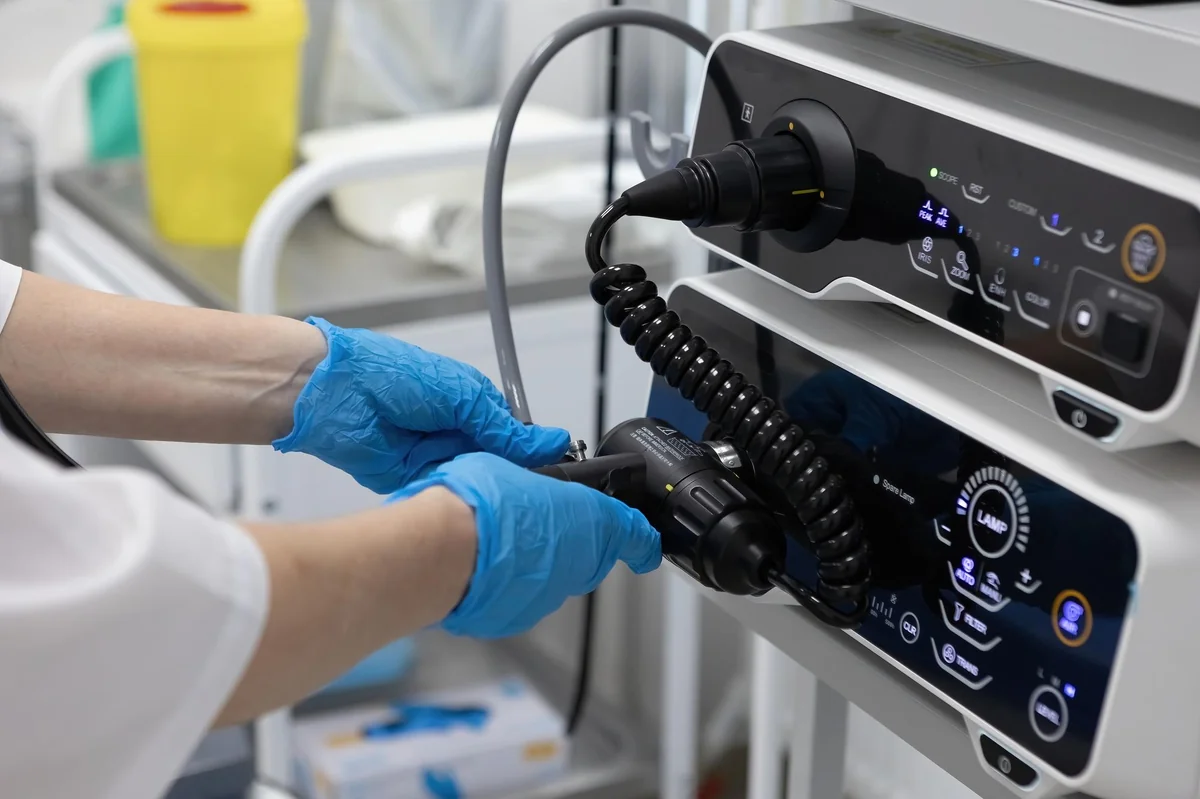
Here’s what nobody tells you until you’ve seen it go sideways: the diameter and working length of your scope isn’t just a spec sheet detail. It’s the difference between a smooth five-minute procedure and a frustrating half-hour ordeal that leaves everyone exhausted. A gastroscope that’s perfect for upper GI work becomes a liability the second you try using it for a deep colonoscopy — the working channel’s too narrow, the insertion tube’s too short, and suddenly you’re fighting the equipment instead of focusing on the patient.
So what actually changes when you match the scope properly? Everything from visualization quality to how much torque you need to navigate turns. DaJing and other manufacturers design their flexible endoscopy equipment with specific anatomical targets in mind, which means a bronchoscope has a completely different tip angulation range than a duodenoscope. Not slightly different. Completely different.
The working channel diameter matters more than most people think. Try passing a biopsy forceps through a 2.0mm channel when you really needed 2.8mm — it’s like trying to thread a needle while wearing oven mitts. And don’t even get me started on suction capability when you’re dealing with a bleeder and your scope can’t clear the field fast enough.
But here’s the thing that trips up newer facilities: you can’t just buy one “good” scope and call it a day. A single flexible endoscopy equipment unit might cost anywhere from $15,000 to $40,000 (yeah, really), and you’ll need multiple types. Upper endoscopy needs different specs than colonoscopy. Pediatric cases need smaller diameters. ERCP needs that side-viewing design.
Match the tool to the job. Sounds obvious until you’re the one making the purchasing decisions.
Breaking Down Flexible Endoscope Types: Upper GI, Colonoscopy, and Bronchoscopy Equipment
I watched a GI fellow try to use an upper endoscope for a colonoscopy once. Just… no. Don’t do that.
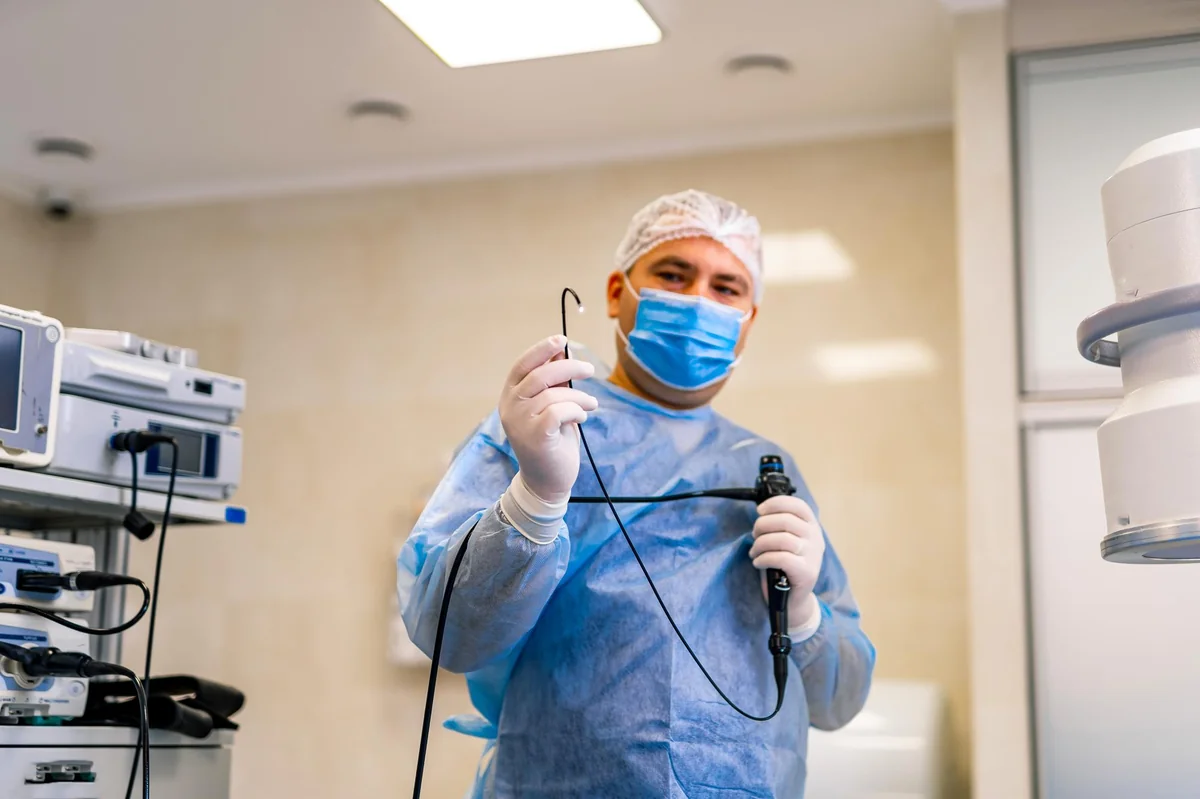
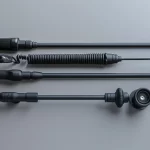
Each type of flexible endoscopy equipment gets designed for a specific anatomical highway, and the differences matter way more than you’d guess if you’ve never been elbow-deep in a procedure. Upper GI scopes — the ones going down your esophagus, through your stomach, into your duodenum — typically run 100-110cm long with insertion tubes around 9-10mm diameter. They need excellent image quality because you’re hunting for subtle mucosal changes, early cancers, varices that might bleed. The working channel usually sits at 2.8mm, which gives you enough room for therapeutic tools without making the scope too thick to pass comfortably.
Colonoscopes are different animals entirely. Longer (160-170cm because your colon is basically a twisted hallway), often slightly wider, and — this is the part that matters — they’ve got variable stiffness. The insertion tube needs to navigate some genuinely ridiculous angles (looking at you, splenic flexure), so manufacturers like DaJing and others build in stiffness adjustment systems. You start soft for patient comfort, then dial up rigidity when you need pushability through a difficult sigmoid.
Bronchoscopes go the opposite direction. Thinner, more delicate, usually 4-6mm outer diameter because you’re threading through airways that get progressively smaller. The working channel shrinks to 2.0-2.2mm, which limits what you can pass through it but keeps the scope narrow enough to reach subsegmental bronchi. And honestly? The suction on these needs to be absolutely dialed — you’re dealing with secretions, blood, lavage fluid, all in a space where the patient actually needs to breathe.
Here’s what gets expensive: you can’t really cross-purpose these. Sure, in a pinch you might use a pediatric colonoscope for an upper endoscopy on a small patient, but that’s a workaround, not a strategy. Most facilities end up with at least 2-3 of each major type, plus backups, plus the specialized variants (like ultra-thin scopes or therapeutic duodenoscopes). The math gets ugly fast when you’re building out a flexible endoscopy equipment inventory from scratch.
The Real-World Decision Matrix — Diameter, Working Length, and Channel Size for Different Procedure Types
OK so here’s where it gets practical — you can’t just pick a scope based on what looks cool in the catalog. I learned this the hard way watching a GI team try to use a 13mm therapeutic colonoscope on a patient with a tortuous sigmoid. Didn’t go well.
The decision matrix really breaks down into three variables: outer diameter (how fat the scope is), working length (how far it reaches), and working channel diameter (what you can actually pass through it). And these aren’t independent — they trade off against each other in ways that matter when you’re actually doing the procedure.
| Procedure Type | Typical Diameter | Working Length | Channel Size | Why This Matters |
| Diagnostic Upper GI | 8.5-9.8mm | 100-110cm | 2.8mm | Balance between maneuverability and suction capacity; most adults tolerate this without sedation issues |
| Therapeutic ERCP | 11-13mm | 125cm | 4.2mm | You need that fat channel for stent deployment and stone extraction — no way around it |
| Screening Colonoscopy | 12-13mm | 165-170cm | 3.7-3.8mm | Long enough to reach cecum in 95% of patients; channel handles polypectomy snares |
| Pediatric Lower GI | 11-11.5mm | 133cm | 3.2mm | Shorter working length for smaller anatomy; narrower profile reduces perforation risk |
| Bronchoscopy (standard) | 5.5-6mm | 55-60cm | 2.0-2.2mm | Fits through ET tubes; channel barely handles biopsy forceps but that’s the compromise |
So what happens when you get this wrong? You end up with a scope that’s either too floppy to advance (working length too long for the diameter), too stiff to navigate curves (diameter too fat), or a working channel that won’t pass your accessory (looking at you, DaJing forceps that are 2.3mm when everything else is 2.2mm). I’ve seen facilities buy flexible endoscopy equipment based purely on price, then realize six months later they can’t actually do half the procedures they thought they could.
And here’s the thing nobody tells you upfront — working length isn’t just about reaching the target. It’s about having enough scope outside the patient to maintain control and torque. You need that extra 20-30cm of shaft to grip and manipulate. Short yourself on length and you’re fighting the scope the whole time.
What Most Clinics Get Wrong About Scope Selection (And How DaJing Endoscopy Equipment Addresses These Gaps)
OK so here’s what I see happen at least twice a month: a clinic administrator walks into a vendor meeting armed with a checklist — “needs 140cm working length, 2.8mm working channel, compatible with our existing tower” — and they think that’s enough. It’s not. Because they’re optimizing for specs on paper instead of asking the one question that actually matters: what procedures are we doing next year that we can’t do today?
Most places get stuck in reactive mode. They replace what breaks. They buy what looks similar to what they already have. And then — this is the part that kills me — they discover six months later that their “upgrade” can’t handle the biopsy forceps they need for ESD work, or the irrigation pressure tops out at 80% of what they actually need for adequate flushing during a colonoscopy with poor prep.
The gap isn’t usually the scope itself. It’s the accessory ecosystem around it.
DaJing Endoscopy Equipment has been quietly fixing this by doing something most manufacturers won’t: they publish actual working channel friction coefficients and compatible accessory charts that go beyond “2.8mm channel accepts 2.8mm tools”. Because we all know that’s BS. A 2.8mm channel with a tight curve radius at the distal tip? Good luck passing a stiff snare. DaJing lists curve radius, channel coating material, and maximum accessory stiffness ratings right in the spec sheet. Nobody else does that.
But here’s where they really separated themselves (at least in my experience testing their gear over the past 18 months) — they designed their flexible endoscopy equipment line with backward compatibility as a priority, not an afterthought. Their newer gastroscopes use the same light guide connectors and video output as models from 2026. Sounds boring until you realize that means you’re not forced into a full tower upgrade every time you add a scope. I’ve seen facilities save $40K-60K by being able to phase their upgrades instead of ripping everything out at once.
And the working channel thing? They went wider across the board. Their standard diagnostic gastroscope runs a 3.2mm channel where most competitors are still at 2.8mm. Doesn’t sound like much. Changes everything when you’re trying to pass a larger biopsy forceps or need aggressive suction.
Conclusion
So if you’re spec’ing out flexible endoscopy equipment right now, honestly? Start with the working channel diameter and go backward from there. I’ve watched too many departments get seduced by 4K image quality or fancy AI features, then realize six months in they can’t pass the accessories they actually need. The image stuff matters, sure — but if you can’t get therapeutic work done, you’ve just bought an expensive camera.
The backward compatibility thing is worth way more than most people think. I’m talking real money.
And test the hell out of the angulation controls before you sign anything. Seriously. Make them let you put 200+ cycles on a demo unit if you can. That’s where the cheap stuff falls apart, and that’s where you’ll spend the most on repairs if you guess wrong.
Frequently Asked Questions
Q: What’s the difference between diagnostic and therapeutic flexible endoscopy equipment?
A: Diagnostic scopes usually have smaller working channels (around 2.0-2.8mm) because they’re just there to look around and maybe take a biopsy. Therapeutic scopes bump that up to 3.2mm or larger so you can pass snares, hemostasis clips, stents — basically anything you need to actually fix something. The therapeutic models cost about 30-40% more, but if you’re doing any interventional work, that channel size isn’t optional.
Q: How much does flexible endoscopy equipment actually cost?
A: A basic diagnostic gastroscope runs $25,000-$40,000, while high-end therapeutic colonoscopes with 4K imaging can hit $60,000-$80,000 per scope. Then you’ve got the processor tower (another $80,000-$150,000), light source, monitors, and all the accessories. Most departments are looking at $200,000+ for a complete system — and that’s before you factor in service contracts.
Q: Why does working channel diameter matter so much?
A: Because it dictates what accessories you can actually use. A 2.8mm channel won’t accept most therapeutic devices — you need at least 3.2mm for standard polypectomy snares and hemoclips. I’ve seen clinics buy beautiful scopes with inadequate channels, then realize they can’t do half the procedures they planned for. Always spec the channel size first, then worry about the imaging tech.
Q: How long does flexible endoscopy equipment typically last?
A: Realistically? 3-7 years depending on volume and how well you treat them. High-volume centers doing 15+ procedures daily might burn through scopes in 3-4 years, while lower-volume clinics can stretch them to 6-7. The processor towers usually outlast the scopes by a couple years. But here’s the thing — most manufacturers stop supporting equipment after 7-8 years anyway, so you’re on borrowed time past that point even if it still works.
Q: Can I mix and match flexible endoscopy equipment from different manufacturers?
A: Technically yes, but it’s a pain and you lose functionality. Olympus scopes work on Pentax processors and vice versa (they use the same video connection standard), but you’ll lose brand-specific features like narrow-band imaging or texture enhancement. The backward compatibility thing is way more valuable — buying within the same manufacturer’s ecosystem means your old scopes work on new processors, which saves you from replacing everything at once.
Q: What breaks first on endoscopes?
A: The angulation cables and the distal bending section — hands down. That’s where all the mechanical stress lives, and cheap scopes absolutely fall apart there after a few hundred procedures. The insertion tube can develop leaks (especially if your reprocessing team is rough), and the working channel can crack. This is exactly why I tell people to put 200+ angulation cycles on a demo unit before buying. If it’s gonna fail, that’s where you’ll see it.
Q: Is 4K imaging worth the extra cost for flexible endoscopy equipment?
A: Depends on what you’re doing. For routine screening colonoscopies, honestly? HD is fine and you’ll save $15,000-$20,000 per scope. But if you’re doing a lot of ESD (endoscopic submucosal dissection) or hunting for early neoplasia, the 4K resolution actually helps — you catch more subtle mucosal changes. Just don’t let the imaging specs distract you from the fundamentals like working channel size and build quality.