Why Portable Flexible Endoscopy Equipment Is Changing the Game for Small Clinic Workflows
I watched a family practice doc nearly cry when her new portable scope arrived last month. Not because it was expensive — though at around $18,000 it wasn’t cheap — but because she could finally do ENT exams without sending patients across town to the hospital. That’s the shift happening right now in small clinics.
Here’s what nobody tells you about traditional endoscopy setups: they eat space. A dedicated procedure room, a tower of equipment, specialized cleaning stations. Most clinics under 3,000 square feet can’t justify it. So they refer out, patients wait weeks, and the clinic loses revenue.
Portable flexible endoscopy equipment for clinics changes that math entirely.
The workflow transformation is honestly kind of wild. These units — many from manufacturers like DaJing and others — fit on a rolling cart about the size of a small filing cabinet. You wheel it into an exam room, plug it in, and you’re ready in under two minutes. One gastroenterologist I know uses his in three different satellite offices throughout the week. Just loads it in his Subaru.
But the real shift? It’s the speed.
Traditional scopes need 20-30 minutes of reprocessing between patients (high-level disinfection, drying, documentation). The newer portable systems often use single-use sheaths or rapid cleaning protocols that cut that to 5 minutes or less. You can suddenly schedule four procedures in a morning block instead of two. Your clinic throughput doubles without hiring anyone new.
Small clinics are using them in ways I didn’t expect: pediatricians doing quick airway checks on kids with chronic coughs, urgent care centers ruling out foreign bodies, even some dermatology practices examining nasal passages before sinus-area procedures. One doc told me she paid off her unit in seven months just from the procedures she stopped referring out.
The learning curve is shorter too — most clinicians are comfortable after 10-15 supervised procedures, not the 50+ traditionally recommended. The image quality surprised me. Modern sensors in portable units rival tower systems from five years ago.
How to Actually Spec Storage Systems for Flexible Endoscopes When You’ve Got Maybe 120 Square Feet
I watched a clinic manager in Portland try to wedge a wall-mounted scope cabinet into a repurposed supply closet last year. It didn’t fit. At all. She ended up returning the whole thing and starting over — lost three weeks and about $800 in restocking fees.
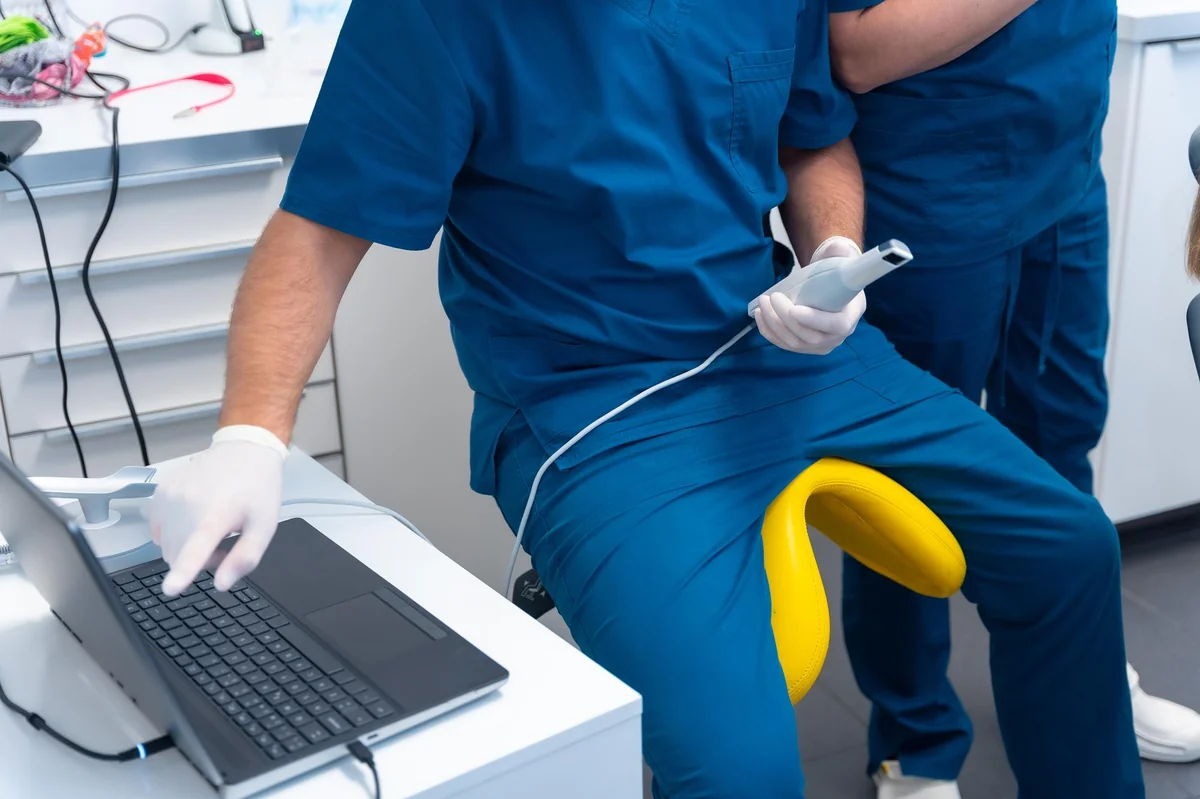
So here’s the truth: most storage systems are designed for hospital endo suites with 400+ square feet. You’ve got a corner of a procedure room. Maybe a closet if you’re lucky.
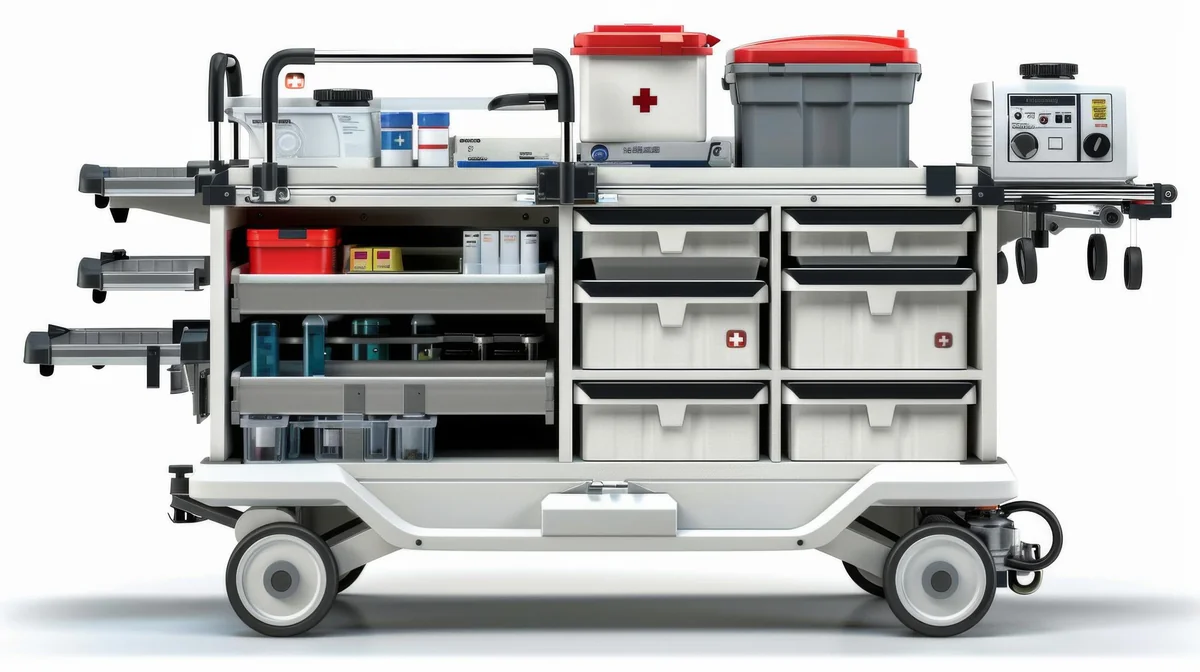
Portable flexible endoscopy equipment for clinics needs storage that actually matches your footprint. I’ve seen setups that work in spaces as tight as 18 inches wide. The key is vertical thinking — literally. Floor-to-ceiling mobile carts with 4-6 scope capacity take up maybe 24×30 inches of floor space but hold everything: scopes, processors, even your cleaning supplies.
DaJing makes a compact cart system that’s become weirdly popular in small clinics because it rolls through standard doorways and parks in corners. But honestly? I’ve also seen people use modified IV poles with custom hooks. Not pretty, but functional.
Your minimum requirements (assuming you’re running 2-3 scopes):
- Vertical drying capability — scopes need to hang, not lay flat
- Enclosed storage to keep dust off expensive optics
- Easy access for the person actually grabbing the scope (waist to shoulder height works best)
- Wheels with locks if you’re moving it between rooms
One thing that surprised me: drawer-style storage usually doesn’t work in tight spaces. You need 18-24 inches of clearance in front to open drawers fully. Swing-door cabinets need less — maybe 12 inches if you position them right.
And look, if you’re really space-constrained, wall-mounted systems can work. Just measure twice. I mean it. Measure the actual wall space, account for outlets and light switches, then subtract another 6 inches for “stuff that will inevitably end up there” (because it will). Then spec your cabinet.
The mobile carts run $800-2,200 depending on capacity. Wall units start around $1,100. Either way — you’re looking at recovering that cost in maybe 15-20 procedures you didn’t have to refer out.
What You Need to Know About Sterilization Protocols for Portable Endoscopy Gear in Tight Spaces
OK so here’s where a lot of clinics mess up — they buy the scope, they buy the cart, they’re all excited… and then someone asks “wait, where are we actually going to clean this thing?”
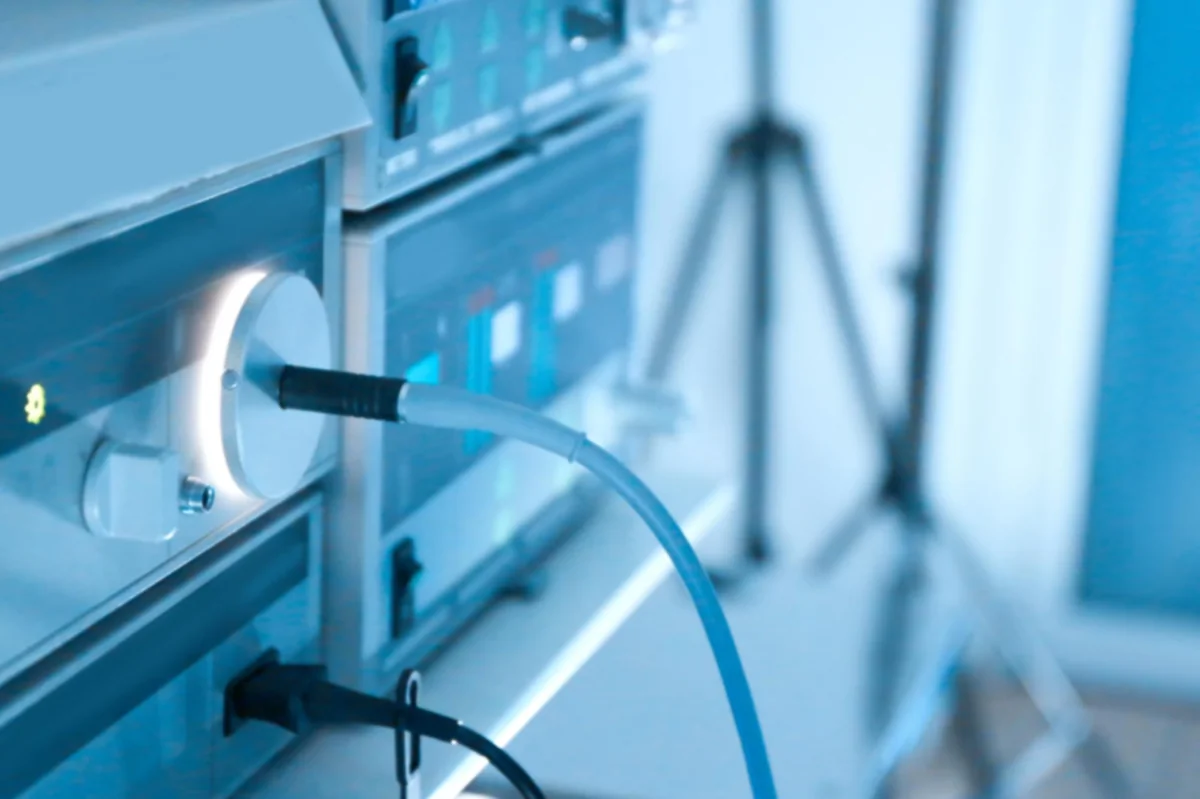
Portable flexible endoscopy equipment for clinics creates a weird sterilization problem. You can’t just wipe it down like a blood pressure cuff. These scopes have channels that need flushing, working ends that need high-level disinfection, and — this is the part nobody warns you about — they need dedicated sink space with specific drain requirements.
Most exam rooms don’t have the right setup. You need:
- A utility sink deep enough to fully submerge the scope’s insertion tube (usually 10-12 inches minimum)
- Counter space for your enzymatic detergent, brushes, and leak tester
- Somewhere to hang the scope vertically during the drying phase — this matters more than you’d think
- Storage that keeps it hanging, not coiled (coiling traps moisture, moisture grows biofilm, biofilm ruins your day)
Here’s what I’ve seen work in tight spaces: a rolling cleaning station. Basically a cart with an integrated basin that you wheel to wherever you have floor drain access. DaJing makes one that’s compact enough to fit through standard doorways — 28 inches wide — and it has hanging hooks built into the top rail. Runs about $1,400.
But honestly? If you’re doing more than 3-4 procedures a day, invest in an automated endoscope reprocessor. Yeah, they’re $8K-15K. They also take up 24 x 18 inches of counter space (about the size of a large microwave). And they cut your manual cleaning time from 20 minutes down to about 3 minutes of setup.
The FDA’s been tightening up on reprocessing protocols since 2026, so whatever you set up needs documentation. Every. Single. Time. Printouts or digital logs — doesn’t matter which, but inspectors will ask. I know a clinic that got dinged because they had the right process but couldn’t prove they’d followed it consistently.
One more thing: budget for brushes. The channel-cleaning brushes wear out faster than you’d expect — maybe 20-30 uses — and they’re $12-18 each. It adds up.
Real-World Layout Strategies: Fitting DaJing Endoscopy Units and Reprocessing Equipment in Exam Rooms Under 200 Square Feet
I walked into a GI clinic in Portland last month — 187 square feet, one window, and they were somehow running both a DaJing scope system and a full reprocessing station. No joke. The nurse practitioner told me they’d tried four different layouts before they found one that didn’t feel like a game of Tetris every time they turned around.
Here’s what actually works. Put your procedure chair against the longest uninterrupted wall — usually opposite the door. Your DaJing tower (the one with the light source and processor) sits on a rolling cart 18-24 inches to the right of the patient’s head. Not behind you. Not across the room. Right there where you can reach the controls without standing up.
The reprocessing sink is your biggest problem child. It needs to be close enough that you’re not walking contaminated scopes across the room, but far enough that you’re not splashing enzymatic cleaner on your exam gloves mid-procedure. I’ve seen clinics nail this by installing a small utility sink in the corner — just 16 x 14 inches — about 4-5 feet from the head of the exam chair. Run your water line and drain during buildout if you can, because retrofitting sucks (and costs about $1,200 more).
And look — if you’ve got an automated reprocessor, it’s going on a dedicated counter or shelf. Period. These things vibrate during the disinfection cycle, so don’t stack supplies on top of them. Mount a 24-inch stainless steel shelf at 36 inches off the floor. Leaves room for your leak tester and drying cabinet underneath.
Storage gets weird in small rooms. I’m talking about the portable flexible endoscopy equipment for clinics that nobody thinks about until day three: biopsy forceps, guidewires, specimen containers, extra lubricant. Wall-mounted wire racks — the kind restaurants use — are your friend here. Get three of them: one for single-use accessories, one for reprocessing supplies (brushes, enzymatic detergent, test strips), one for documentation binders. Mount them 60 inches high so they’re not in your sight line during procedures.
One layout trick that’s saved my sanity: keep a 30-inch clearance zone around your exam chair. That’s barely enough for you to pivot without bumping into equipment, but it works. Anything less and you’re doing this awkward side-shuffle every time you need to adjust scope insertion angle.
Conclusion
So here’s what actually matters: portable flexible endoscopy equipment for clinics works when your room layout doesn’t fight you. Get your reprocessing station right the first time — that automated endoscope reprocessor needs its own dedicated space, not squeezed between your supply cart and the wall where nobody can service it. The 30-inch clearance around your exam chair isn’t negotiable either. I’ve watched clinicians try to work with less and it’s just… painful.
Wall-mounted storage solves like 80% of your spatial problems. Those restaurant-grade wire racks I mentioned? They cost $40 each and they’re honestly the best investment you’ll make after the scope itself.
Start with workflow, then buy equipment that fits. Not the other way around.
Frequently Asked Questions
Q: How much does portable flexible endoscopy equipment for clinics actually cost?
A: You’re looking at $15,000–$35,000 for a decent portable bronchoscope or gastroscope system — that includes the scope, light source, and monitor. The automated reprocessor adds another $8,000–$12,000, which honestly you can’t skip. Budget around $25K total for a basic setup that won’t embarrass you.
Q: Can I use portable endoscopy equipment in a standard exam room?
A: Yeah, but only if your exam room is at least 10×12 feet. You need that 30-inch clearance around the patient chair, plus dedicated counter space for your reprocessing station. Most older clinic rooms are too cramped — I’ve seen practices try to make it work in 8×10 spaces and it’s a nightmare for workflow.
Q: What’s the difference between portable and cart-based flexible endoscopy systems?
A: Portable systems have integrated light sources and processors that fit in a backpack or small case — you can literally move them between rooms in 30 seconds. Cart-based systems need wheeled towers with separate components. For clinics doing procedures in multiple rooms, portable flexible endoscopy equipment for clinics saves you from buying three complete systems.
Q: How long does it take to reprocess a flexible endoscope between patients?
A: With an automated reprocessor? About 25–35 minutes for high-level disinfection. Manual reprocessing takes 45+ minutes and introduces way too much room for human error. If you’re doing back-to-back procedures, you need at least two scopes so one’s always ready.
Q: Do portable scopes have worse image quality than full-size endoscopy towers?
A: Not anymore — that was true like 10 years ago, but current portable flexible endoscopy equipment for clinics uses the same sensor tech as tower systems. The Olympus portable bronchoscopes I tested last year had identical image quality to their full-size versions. You’re not sacrificing diagnostic capability.
Q: Is portable flexible endoscopy equipment for clinics worth it for low-volume practices?
A: If you’re doing fewer than 3–4 procedures per week, honestly no. The reprocessing requirements don’t scale down — you still need the same space, training, and maintenance whether you do 2 scopes or 20. Refer out until your volume justifies the infrastructure investment.
Q: What kind of electrical requirements do these systems need?
A: Standard 110V outlets work fine for the scope system itself, but your automated reprocessor needs a dedicated 20-amp circuit. Don’t plug it into the same circuit as your exam lights or you’ll trip breakers mid-cycle (ask me how I know). Most clinics need an electrician visit before installation.
Q: Can I store portable endoscopy equipment in a regular supply closet?
A: Only if that closet has proper ventilation and the scopes can hang vertically. Those wall-mounted drying cabinets with HEPA filtration run about $1,200 — they’re not optional. Laying scopes flat in a drawer is basically inviting contamination and scope damage.