Modern bathrooms are no longer just functional. They reflect lifestyle choices and growing concern for sustainability. Everyday essentials like wipes, towels, and linens, often overlooked, come into direct contact with our skin, making material quality and environmental impact important. Biodegradable flushable wipes offer convenient hygiene while reducing ecological strain, and high-quality bath linen enhances comfort and durability.
But do these sustainable products truly balance health, comfort, and environmental responsibility?
Exploring how eco-friendly bathroom essentials work can reveal surprising ways small choices improve both daily hygiene and long-term sustainability. Without any further delay, let’s begin with our article!
How Do Biodegradable Flushable Wipes Improve Sustainable Bathroom Hygiene?
Bathroom hygiene depends on products that are safe for both people and the environment. Traditional wipes often contain synthetic fibers that resist decomposition. These materials create waste problems and can harm drainage systems.
Biodegradable flushable wipes offer a more responsible solution. These wipes break down more easily after disposal. Their materials reduce long term environmental impact. This feature supports responsible waste management and healthier ecosystems.
Another advantage involves skin safety. Many biodegradable wipes use gentler materials and fewer harsh chemicals. These ingredients reduce irritation for sensitive skin. Consumers often prefer products that support both hygiene and comfort. Convenience also plays a role in their popularity. Flushable wipes provide quick cleaning in daily routines. They can support personal hygiene when toilet paper alone feels insufficient. This convenience encourages consistent cleanliness habits.
Households also benefit from improved plumbing compatibility. Wipes designed for safe flushing reduce blockage risks. This design helps maintain healthy household drainage systems. Businesses and hospitality sectors increasingly adopt biodegradable flushable wipes. Hotels, spas, and wellness centers seek sustainable hygiene products. These products support both guest satisfaction and environmental goals.
What Role Does Bath Linen Play in Comfort and Daily Hygiene?
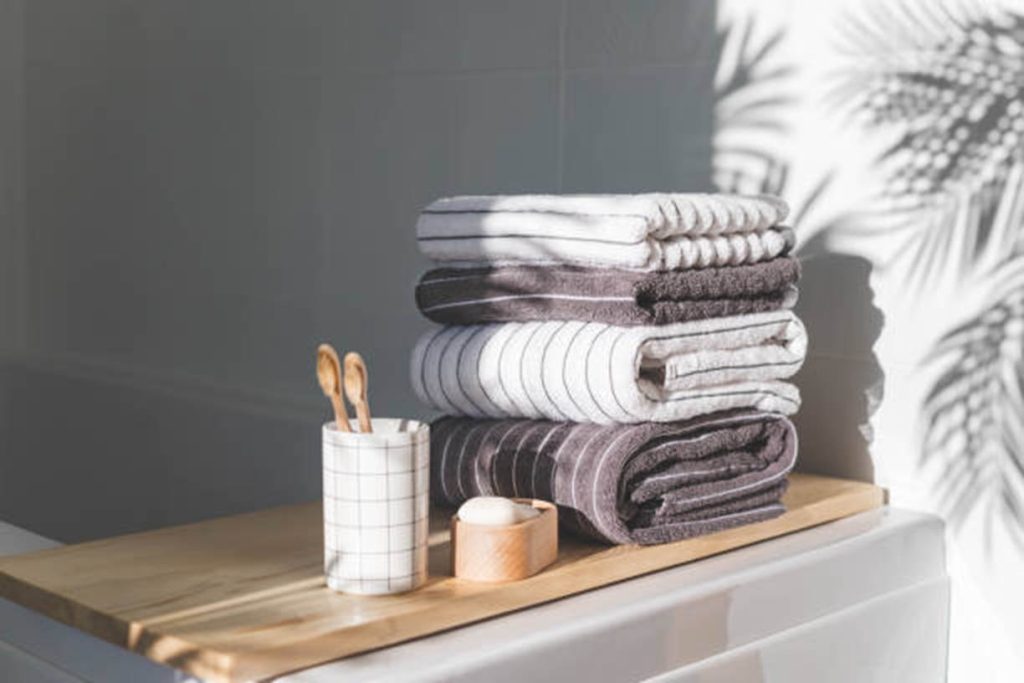
Bath linen remains one of the most essential elements of bathroom comfort. Towels, bath sheets, and washcloths contribute directly to everyday hygiene routines. Their quality influences skin health, drying efficiency, and overall user experience.
High quality bath linen provides softness and absorbency. These features help remove moisture effectively after bathing. Proper drying supports skin health by preventing excessive dampness. Material selection also affects comfort levels. Natural fabrics such as cotton offer breathability and gentle texture. These materials reduce irritation and feel comfortable during daily use.
Durability represents another important factor. Quality bath linen withstands repeated washing without losing softness. This durability allows consumers to maintain consistent hygiene standards over time. In hospitality environments, bath linen quality strongly influences customer satisfaction. Hotels and wellness centers invest in premium linens to create luxurious experiences. Soft and durable towels improve the perception of cleanliness and care.
By combining comfort, durability, and hygiene support, bath linen remains a vital part of modern bathroom design.
How Do Sustainable Materials Improve Bathroom Product Safety?
Sustainable materials offer benefits beyond environmental protection. They also improve the safety and quality of products used in daily hygiene routines. Bathroom essentials that contact the skin must meet strict safety expectations.
Natural and responsibly sourced materials reduce exposure to harmful substances. Many eco- friendly products avoid aggressive chemical treatments. This approach protects sensitive skin and promotes healthier daily use.
Biodegradable materials also support safer disposal processes. Products that break down naturally reduce environmental pollution. This feature protects water systems and reduces long term ecological damage.
Manufacturers increasingly explore plant based fibers and organic fabrics. These materials deliver durability while maintaining sustainability standards. Their production often requires fewer harmful chemicals.
Why Are Consumers Moving Toward Eco Friendly Bathroom Essentials?
Consumer behavior continues to shift toward sustainability across many industries. Bathroom products represent an important part of this transition. Daily hygiene routines now include greater awareness about environmental responsibility.
Environmental concerns drive many purchasing decisions. Plastic waste and non degradable products contribute to pollution problems. Consumers therefore look for alternatives that reduce environmental harm. Health awareness also influences product selection. People prefer materials that avoid harsh chemicals and irritants. Eco friendly bathroom essentials often use gentler ingredients and fabrics.
Comfort remains another key motivation. Sustainable products often emphasize natural materials and improved usability. Soft bath linen and gentle wipes provide satisfying experiences during everyday routines. Social responsibility also shapes consumer preferences. Many individuals want to support brands that value environmental protection. Choosing sustainable products allows consumers to align purchases with personal values.
As a result, eco-friendly bathroom essentials continue gaining popularity worldwide. This shift reflects broader awareness about health, comfort, and environmental stewardship.
How Can Sustainable Bathroom Essentials Support a Healthier Lifestyle?
A healthier lifestyle often begins with small daily choices. Bathroom products influence personal hygiene and comfort more than many people realize. Selecting sustainable essentials can support both physical wellbeing and environmental responsibility.
Biodegradable flushable wipes help maintain personal cleanliness with minimal ecological impact. Their gentle materials support skin comfort while reducing waste problems. These qualities encourage consistent hygiene practices.
Quality bath linen also contributes to healthier living. Soft and absorbent towels improve drying efficiency after bathing. This simple step helps maintain proper skin care routines. Sustainable products also promote mindful consumption habits. Consumers become more aware of product materials and environmental effects. This awareness often leads to broader eco-friendly lifestyle choices.

Homes that prioritize sustainability often adopt other responsible practices. Water conservation, recycling, and energy efficiency become natural extensions of eco conscious living. Families benefit from safer household environments. Products made with responsible materials reduce exposure to harsh chemicals. This benefit supports long term health and comfort.
Businesses and hospitality providers also support healthier lifestyles through sustainable bathroom amenities. Guests appreciate responsible hygiene products that align with modern environmental values.
Through these benefits, sustainable bathroom essentials play an important role in modern living.
Conclusion:
Sustainable bathroom essentials reflect the growing connection between hygiene, comfort, and environmental awareness. Products used daily can influence both personal wellbeing and ecological responsibility. Choosing the right essentials helps create a healthier and more responsible lifestyle.
Biodegradable flushable wipes provide practical hygiene while reducing environmental strain. Their gentle materials support skin safety and convenient cleaning routines. At the same time, their biodegradable nature helps reduce waste impact.
High quality bath linen also remains an important contributor to comfort and hygiene. Soft, durable fabrics improve everyday routines and promote consistent cleanliness. Long lasting linens also support sustainable consumption practices.
By selecting sustainable options, households and businesses support healthier living environments. These choices contribute to cleaner homes, responsible waste management, and greater long term wellbeing.