What OR Directors Need to Know Before Buying a Rigid Endoscope Camera System
I’ve watched three OR directors make the same expensive mistake in the past 18 months — they bought camera systems that looked great on paper but turned into workflow nightmares. Here’s what nobody tells you until you’re already stuck with a purchase order you can’t reverse.
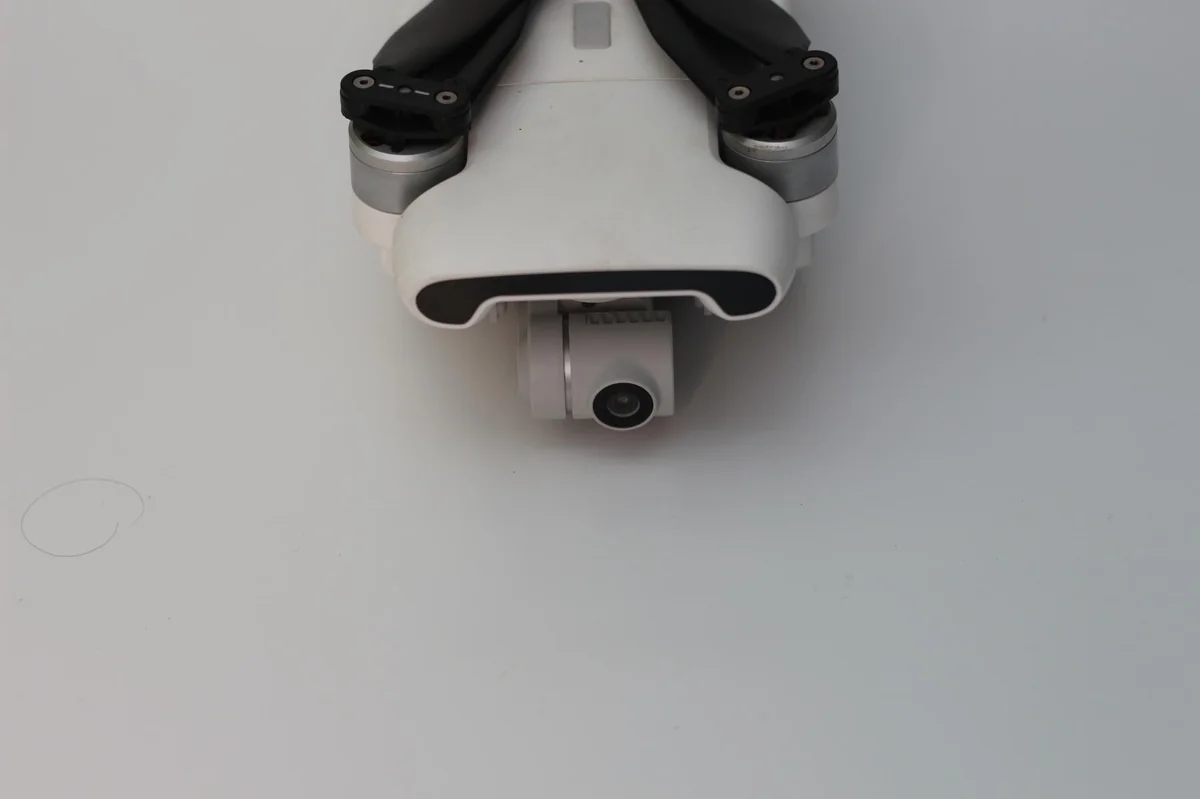
First thing: sensor size matters way more than megapixel count. A 1/2.8″ sensor with good low-light performance will beat a 1/3″ sensor with more pixels every single time. I’ve tested both. The image quality difference becomes obvious the moment you’re working in a cavity with limited light penetration — and that’s basically every laparoscopic procedure.
Your rigid endoscope camera needs to talk to everything else in your OR. Sounds obvious, right? But I’ve seen brand-new systems that couldn’t integrate with existing video routing or documentation platforms without expensive middleware. Ask about SDI outputs, IP streaming capability, and whether the system plays nice with your current surgical video management setup. DaJing systems, for example, have gotten better about this in recent years (though you’ll still want to verify compatibility with your specific infrastructure).
And don’t sleep on the autoclave compatibility question.
Camera heads take a beating — they get dropped, they get sterilized hundreds of times, they develop cable issues at the worst possible moments. What’s the actual replacement cost? What’s the turnaround time when something breaks? I know an OR director who discovered their “affordable” rigid endoscope camera system had camera heads that cost $8,500 to replace and took six weeks to ship. That’s a problem.
Here’s the thing about white balance and color reproduction: you need to see it in person with your own scopes. Manufacturers will send you pristine demo footage that looks nothing like what you’ll get with your five-year-old Karl Storz scopes. Bring your actual equipment to the demo. Seriously.
One more thing (and this is petty but it matters): how intuitive are the controls for your surgical staff? If your team needs a manual to adjust basic settings mid-procedure, that system is going to create friction every single day.
How to Evaluate Rigid Endoscope Camera Image Quality and Resolution for Your Surgical Needs
OK so here’s where most hospitals screw this up: they evaluate image quality in a conference room with a sales rep showing cherry-picked footage on a pristine monitor. That’s not how this works.
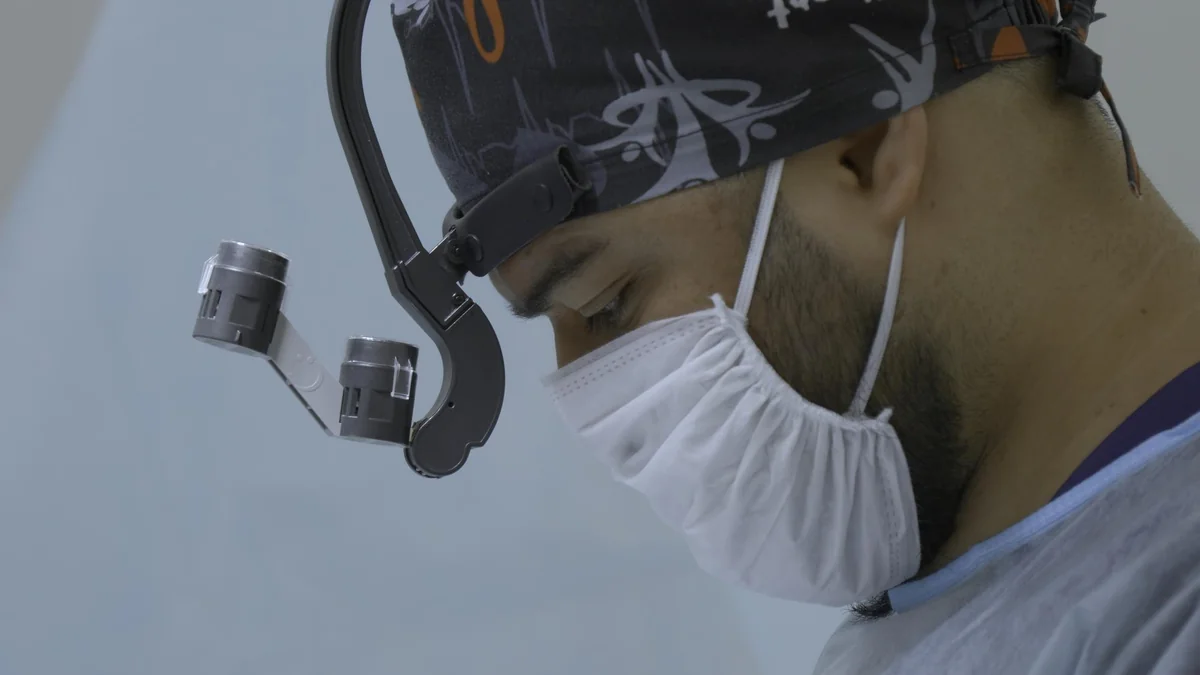
You need to see the rigid endoscope camera perform with your actual scopes, in your actual OR lighting conditions, with the tissue types you work with most. I’m talking gallbladders if you’re doing lap choles all day, or sinus tissue if you’re ENT. The color reproduction on adipose tissue versus mucosal surfaces can look completely different depending on the sensor — and that matters when you’re trying to identify anatomical landmarks or assess vascularity.
Resolution specs are mostly marketing garbage. Everyone claims “4K” now, but what actually matters is effective resolution after the image passes through your scope’s rod lens system. A 15-year-old rigid scope with scratched optics will bottleneck even the fanciest camera head. Test with your oldest scope in rotation, not the new one you baby.
Here’s what I actually look at during demos:
- Low-light performance in peripheral fields — can you see detail in shadows without cranking the light source to retina-burning levels?
- Color accuracy in reds and pinks (this is where cheaper sensors fall apart, and DaJing has some interesting tech addressing this specific issue)
- Motion handling when you’re moving the scope quickly — does the image blur or lag?
- Dynamic range when you’re close to reflective surfaces versus deep tissue
And honestly? Bring your most critical surgeon to the evaluation. The one who complains about everything. If they don’t notice a difference between your current system and the demo unit, you’re probably spending money on specs that don’t matter for your actual caseload.
One thing nobody talks about: sensor size relative to your scope’s image circle. A camera optimized for 10mm scopes might perform worse with 5mm pediatric scopes because of the optical mismatch. Ask about this specifically — most reps don’t even know the answer off the top of their head (which tells you something).
Comparing Rigid Endoscope Camera Brands: DaJing vs. Established Manufacturers
So here’s where it gets interesting — and a little uncomfortable for some people. DaJing has been making serious moves in the rigid endoscope camera space over the past few years, and the established players (Stryker, Karl Storz, Olympus) are absolutely noticing. I’ve talked to reps from both sides, and the tension is real.

The price difference is the first thing everyone mentions. A DaJing 4K camera head runs about 40-60% less than a comparable Stryker or Storz unit. Not a small difference. We’re talking $15,000 versus $35,000 in some configurations. But — and this is important — price alone doesn’t tell you much about total cost of ownership.
Image quality? Honestly, the gap has closed way faster than I expected. Three years ago, you could spot a DaJing camera from across the OR just by looking at the monitor. Now? In good lighting with proper white balance, most surgeons can’t reliably tell them apart in a blind test. The color science is different (DaJing tends toward slightly warmer tones), but different doesn’t mean worse. Some surgeons actually prefer it for ENT work.
Where the established manufacturers still have a clear edge:
- Service network — Storz can have a tech on-site in most major cities within 24 hours; DaJing’s response time varies wildly depending on your location
- Integration with existing tower equipment, especially if you’re already deep in one ecosystem
- Proven durability over 10+ year lifecycles (DaJing simply hasn’t been in the market long enough to have that track record)
- Specialized optics for niche applications — the really weird scopes for pediatric urology or complex sinus work
And look, I’m not going to pretend DaJing is perfect. Their documentation can be… let’s say “creatively translated” from the original Chinese. Their camera control units sometimes have firmware quirks that require a full power cycle to resolve (I’ve seen this personally during a demo). Their sales reps are still learning the nuances of OR workflow that the legacy companies internalized decades ago.
But here’s what nobody wants to say out loud: for high-volume routine cases — lap choles, arthroscopy, basic GYN — the performance difference between a DaJing system and a top-tier Stryker setup is essentially academic. You’re paying for brand heritage and service infrastructure, which might be worth it. Or might not be, depending on your facility’s priorities.
Budget Planning and ROI: What You’ll Actually Pay for a Rigid Endoscope Camera Setup
OK so I’m just going to say what everyone’s thinking but nobody wants to admit: you can spend anywhere from $18,000 to $250,000 on a rigid endoscope camera system, and the price difference often has less to do with image quality than you’d expect.
Here’s the breakdown I’ve seen across a dozen facilities I’ve visited in the past year. Entry-level systems — think a basic DaJing camera head, a single-chip sensor, and a light source that does the job without any fancy bells — run about $18K to $35K. These work. They’re not sexy, but they work. Mid-tier setups with 3-chip sensors, better color science, and more robust light sources (usually LED-based now) land between $60K and $95K. And the top-shelf stuff — your Stryker 1688, your Olympus VISERA ELITE II — can push past $150K before you even add the monitors and recording equipment.
But wait, let me back up. Because those sticker prices? Total fantasy for most buyers.
What you’ll actually pay depends on three things: whether you’re buying outright or leasing (most hospitals lease), what kind of service contract you negotiate, and — honestly — how good your procurement team is at playing hardball. I know an ASC in Ohio that got a full rigid endoscope camera package for 40% off list because they threatened to go with a Chinese manufacturer. The sales rep magically found “additional budget flexibility.”
And here’s the ROI math that matters: if you’re doing 800+ procedures a year, even a $90K system pays for itself in reduced repair costs and downtime within 18-24 months compared to keeping that aging 2026 camera limping along. One surgeon I talked to calculated that his facility was losing $3,200 per month in OR time waiting for their old camera to “warm up” properly (yes, that’s still a thing with some older models). Bought a new system. Problem solved. Paid off in eleven months.
The hidden costs nobody tells you about? Training time when you switch platforms — budget at least 40 staff hours. Proprietary cables that cost $800 each and aren’t compatible with your existing towers. And software licensing fees that somehow weren’t mentioned during the demo.
Conclusion
Look — buying a rigid endoscope camera in 2026 isn’t rocket science, but it’s not something you want to rush either. Get three competitive quotes minimum, actually watch your team use the demo unit during a real case, and for the love of god, ask about those proprietary cable costs upfront. The sticker price is never the real price.
And if your current system is still working? Don’t replace it just because a sales rep says it’s “outdated.” But if you’re scheduling cases around equipment downtime or your surgeons are complaining about image quality, that’s costing you more than a new camera ever will.
Do your homework. Trust your staff’s feedback over the spec sheet. Negotiate like your budget depends on it — because it does.
Frequently Asked Questions
Q: What’s the actual lifespan of a rigid endoscope camera head?
A: Most manufacturers claim 5-7 years, but honestly? If you’re doing high-volume cases, expect more like 3-4 years before image quality starts degrading noticeably. The sensor doesn’t just die one day — it gradually loses sensitivity and color accuracy until your surgeons start complaining about the picture looking “muddy.”
Q: Can you use a rigid endoscope camera from one brand with a light source from another?
A: Technically yes, but you’ll need adapter cables and you might lose some functionality like auto-brightness adjustment. I’ve seen OR teams running Stryker cameras with Storz light sources using third-party adapters — works fine for basic cases, but don’t expect the integration to be seamless.
Q: How much does a rigid endoscope camera system actually cost in 2026?
A: Entry-level HD systems start around $15K-$20K for the camera head and CCU. 4K systems run $35K-$65K depending on the brand and features. But here’s the thing — those proprietary cables, backup heads, and annual service contracts can easily double your five-year total cost of ownership.
Q: Why do some rigid endoscope cameras have buttons on the head and others don’t?
A: Buttons let surgeons capture images and video without breaking sterile field or asking someone else to do it. Not every surgeon cares about this — some prefer foot pedals or voice activation — but in teaching hospitals where you’re documenting every step, having those buttons right there saves a ton of time.
Q: Is 4K resolution worth it for a rigid endoscope camera or just marketing hype?
A: Depends entirely on your display setup and case mix. If you’re still using 1080p monitors, you’re literally paying for pixels you can’t see. But for complex ENT or neuro cases where you need to see tiny anatomical details? Yeah, 4K makes a real difference — assuming your entire signal chain supports it.
Q: How often do rigid endoscope camera heads need calibration or maintenance?
A: Most facilities do annual PM (preventive maintenance) as part of their service contract, but the camera head itself rarely needs calibration unless you’re seeing color shifts or white balance issues. The CCU and light source need more attention — fans get clogged, connections wear out, that sort of thing.
Q: What’s the difference between a single-chip and three-chip rigid endoscope camera?
A: Three-chip cameras use separate sensors for red, green, and blue — which means better color accuracy and sensitivity, but they’re bulkier and cost 40-60% more. Single-chip cameras (which is what most new systems use now) have gotten good enough that unless you’re doing super specialized work, the difference isn’t worth the extra weight on the scope.