Healthcare is moving steadily toward greater personalization and convenience. Patients now seek faster answers without constant clinic visits. This shift has accelerated interest in at home diagnostic technologies. Among these innovations, reproductive hormone test kits are gaining strong attention. These kits offer individuals a private, accessible way to understand hormonal health.
In this article, we will explore how these kits are shaping the future of at home diagnostic solutions. This article also examines their role in preventive care, technology integration, and patient empowerment. Without any further delay, let’s begin with our article!
What Are Reproductive Hormone Test Kits and How Do They Work?
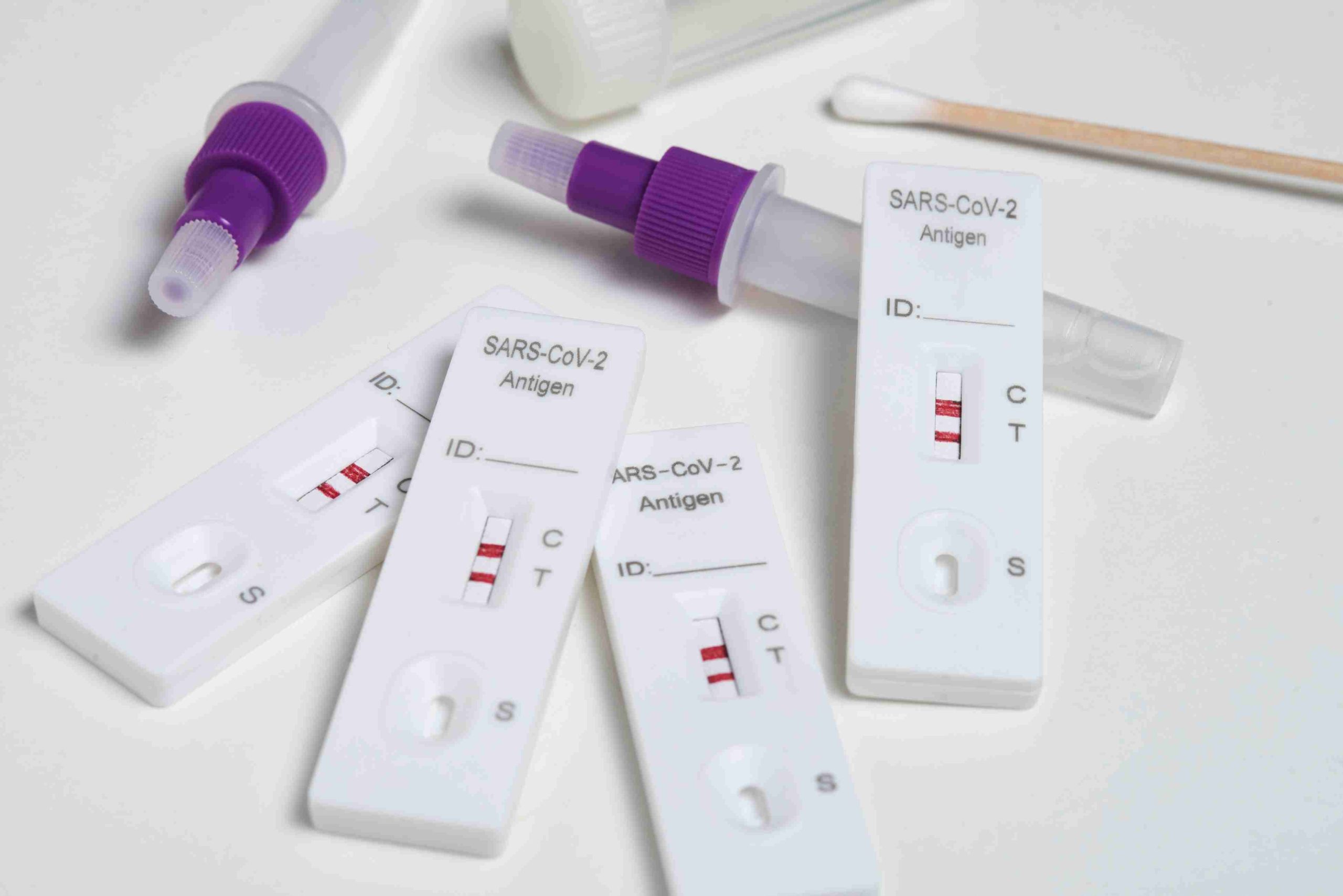
Reproductive hormone test kits are special kits that are designed to measure key hormone levels related to reproductive health. These hormones often include estrogen, progesterone, luteinizing hormone, and follicle stimulating hormone. Some advanced reproductive hormone test kits can also assess testosterone and prolactin levels. Most at home kits rely on urine, saliva, or finger prick blood samples. The user collects the sample following clear instructions. The sample is then analyzed using test strips or sent to a certified laboratory.
Reproductive hormone test kits emerged gradually. Early home hormone testing began in the late 1960s and 1970s with pregnancy tests, while ovulation and broader reproductive hormone kits became widely available from the 1980s onward.
Many reproductive hormone test kits now integrate digital platforms. Users can access results through mobile applications or secure online portals. This digital approach improves result tracking and interpretation. Some platforms provide personalized insights based on hormonal patterns.
Others include reminders for optimal testing times during the menstrual cycle. Accuracy has improved significantly due to advances in biosensor technology. While these kits do not replace clinical diagnosis, they provide reliable screening data. This makes them valuable tools for early awareness and monitoring.
Why Are Reproductive Hormone Test Kits Gaining Popularity in Home Diagnostics?
The growing popularity of reproductive hormone test kits is reflecting several important healthcare trends. One major factor is the increasing demand for privacy. Many individuals prefer discreet testing for sensitive health concerns. At home testing eliminates discomfort associated with clinical settings. Convenience is another critical driver. Users can test without scheduling appointments or travel.
Cost efficiency also plays a role. Reproductive hormone test kits often cost less than repeated laboratory visits. This affordability supports regular monitoring. Another reason is rising awareness of hormonal health. More people now recognize the impact of hormones on mood, energy, and fertility. Social media and health education platforms have amplified this awareness. Telehealth integration further supports adoption.
Test results can be shared directly with healthcare providers for remote consultations. This seamless connection enhances care continuity. Together, these factors position reproductive hormone test kits as essential tools in modern home diagnostics.
How Do Reproductive Hormone Test Kits Support Preventive and Personalized Healthcare?
Preventive healthcare focuses on early detection and proactive management. Reproductive hormone test kits align closely with this approach. Regular testing helps identify hormonal imbalances before symptoms worsen. Early insights allow users to adjust lifestyle factors or seek medical advice promptly. This proactive strategy can prevent long term complications.
Personalization is another key advantage. Hormonal patterns vary significantly among individuals. At home testing supports customized health monitoring. Users can track changes over time and understand personal baselines. This data driven approach supports tailored treatment plans. For fertility planning, timing is critical. Reproductive hormone test kits help identify ovulation windows accurately.
This improves outcomes for individuals trying to conceive. They also support those monitoring perimenopause or menstrual irregularities. By enabling continuous insight, these kits strengthen personalized care models.
What Role Will Reproductive Hormone Test Kits Play in the Future of Diagnostics?
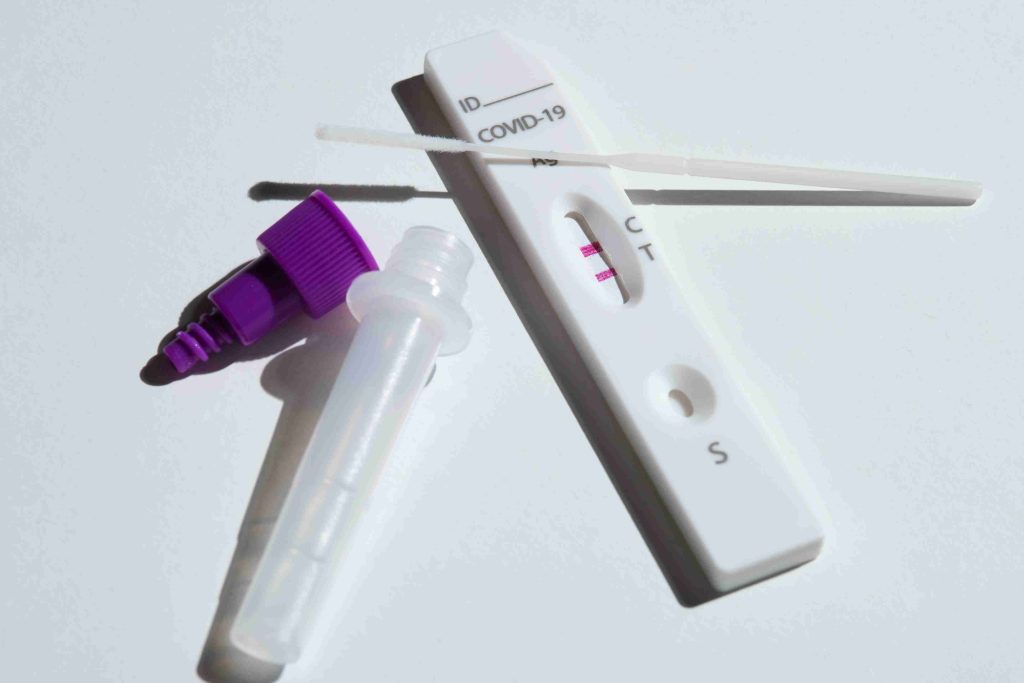
The future of diagnostics is increasingly decentralized. Reproductive hormone test kits will play a central role in this transformation. Technological advancements will further improve accuracy and usability. Artificial intelligence integration is expected to enhance result interpretation. Predictive analytics may identify trends and risks earlier. Wearable device compatibility could allow continuous hormone tracking.
Regulatory frameworks are also evolving. This will support higher quality standards and consumer trust. Healthcare systems may increasingly recommend at home testing for routine monitoring. Pharmaceutical and wellness companies are investing heavily in this space. Their involvement will drive innovation and broader adoption. Data interoperability will enable smoother communication between patients and providers.
As healthcare shifts toward value based care, prevention becomes essential. Reproductive hormone test kits support this shift by empowering individuals with actionable information. They will likely become standard components of personal health management.
How to Use a Reproductive Hormone Test Kit for the First Time?
Using a reproductive hormone test kit for the first time is a simple and guided process.
1. Begin by carefully reading the instruction manual provided with the kit. Each brand may have specific testing requirements.
2. Choose the correct testing day, especially if the kit is cycle dependent. Wash your hands thoroughly before sample collection. Most reproductive hormone test kits require a urine, saliva, or finger prick blood sample.
3. Collect the sample exactly as instructed to avoid contamination. Place the sample on the test device or collection container as directed.
4. Allow the recommended time for the test to process. Avoid reading results too early or too late. Review the result indicators or digital report provided.
5. Lastly, record your results for future comparison. If results appear unclear or abnormal, consult a healthcare professional.
Note: Regular and consistent testing improves accuracy and understanding.
Conclusion:
Reproductive hormone test kits represent a significant step forward in at home diagnostic solutions. They combine convenience, privacy, and technological innovation. These kits empower individuals to take control of reproductive and hormonal health. Their role extends beyond fertility planning into preventive and personalized care. As digital health ecosystems expand, their importance will continue to grow. Improved accuracy and smarter data analysis will enhance user confidence.
Healthcare providers will increasingly integrate at home testing into care pathways. This collaboration strengthens outcomes and patient engagement. Reproductive hormone test kits are not a temporary trend. They are shaping the future of accessible, patient centered diagnostics. Their continued evolution will redefine how individuals interact with healthcare.