Design industries are evolving rapidly as technology offers new ways to create and customize products. Traditional methods are giving way to more flexible, data-driven approaches that allow designers to work with greater precision, efficiency, and creativity.
Parametric furniture and women’s clothing are two areas where parametric design is making a noticeable impact. Using algorithms and digital tools, designers can craft adaptable, highly customized products with complex forms and enhanced functionality. Curious to see how these innovative techniques are reshaping both fashion and furniture design?
In this article, we will explore the role of parametric design and why it is transforming the way products are created and experienced. Without any further delay, let’s begin with our article!
What Is Parametric Design and Why Is It Important?
Parametric design is a method that uses algorithms and variables to generate design solutions. Instead of creating fixed forms, designers define parameters that control shape, size, and structure. These parameters can be adjusted to produce multiple variations of a design. This approach allows for greater flexibility and precision.
One of the key advantages of parametric design is its ability to handle complex geometries. Traditional design methods often struggle with intricate patterns and forms. Parametric tools simplify this process by automating calculations and adjustments. This makes it easier to explore creative possibilities.
Another important benefit is efficiency. Designers can quickly modify parameters to test different ideas. This reduces the time required for prototyping and development. It also minimizes material waste by optimizing designs before production. These advantages make parametric design valuable in modern industries.
The use of digital tools further enhances the capabilities of this approach. Software applications allow designers to visualize and refine their work in real time. This improves accuracy and ensures better outcomes. As a result, parametric design is becoming a standard practice in many fields.
How Is Parametric Furniture Transforming Modern Interior Design?
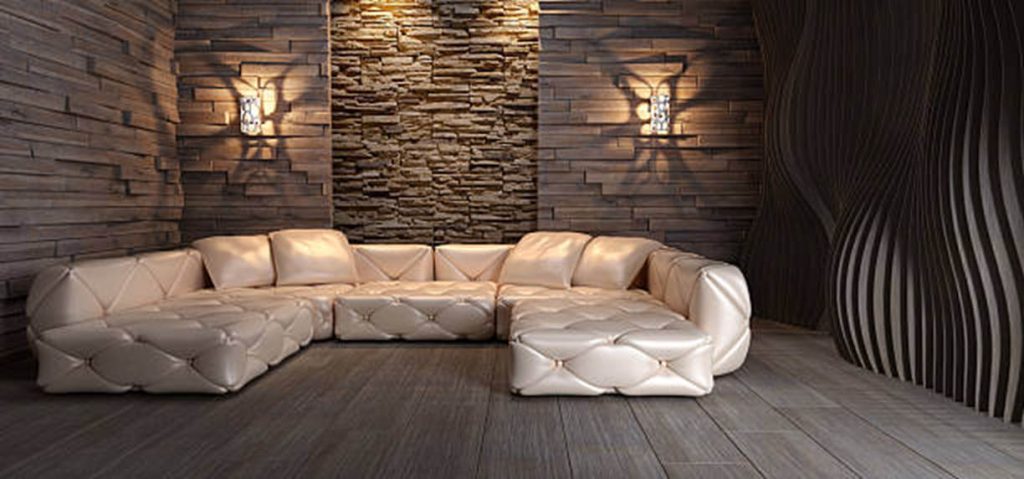
Parametric furniture is changing the way designers approach interior spaces. By using parametric techniques, they can create furniture with unique shapes and structures. These designs often feature flowing lines and complex patterns that are difficult to achieve with traditional methods. This adds a distinctive aesthetic to modern interiors.
Customization is a major advantage of parametric furniture. Designers can adjust parameters to suit specific spaces and user requirements. This allows for personalized solutions that fit perfectly within a given environment. Such flexibility is particularly useful in compact or unconventional spaces.
Material optimization is another important aspect. Parametric tools can calculate the most efficient use of materials. This reduces waste and lowers production costs. It also supports sustainable design practices, which are increasingly important in today’s world.
In addition, parametric furniture often integrates advanced manufacturing techniques. Processes such as CNC cutting and 3D printing enable precise fabrication. These technologies ensure that complex designs can be produced accurately. This combination of design and manufacturing enhances overall quality.
How Are Parametric Techniques Applied in Women’s Clothing Design?
The fashion industry is also embracing parametric design to create innovative garments. In women’s clothing, these techniques allow designers to experiment with new forms and patterns. By adjusting parameters, they can develop unique silhouettes and structures. This leads to more creative and dynamic designs.
Customization plays a significant role in parametric fashion. Designers can tailor garments to individual body measurements. This improves fit and comfort while maintaining style. Personalized clothing is becoming more popular as consumers seek products that reflect their identity.
Parametric design also enhances pattern-making processes. Traditional methods can be time-consuming and complex. Digital tools simplify pattern creation by automating calculations. This improves accuracy and reduces errors during production.
Another advantage is the ability to simulate fabric behavior. Designers can predict how materials will drape and move. This helps in refining designs before they are physically produced. As a result, the development process becomes more efficient and cost-effective.
What Similarities Exist Between Parametric Furniture and Women’s Clothing?
Despite belonging to different industries, parametric furniture and women’s clothing share several similarities in their design approaches. Both rely on algorithms and digital tools to create adaptable designs. This allows for greater flexibility and innovation in both fields.
Customization is a common feature in both areas. Designers can adjust parameters to meet specific user needs. In furniture, this may involve adapting dimensions to fit a space. In clothing, it involves tailoring garments to individual body shapes. This focus on personalization enhances user satisfaction.
Efficiency is another shared benefit. Parametric design reduces the time required for development and prototyping. It also minimizes material waste by optimizing designs. These advantages contribute to more sustainable production practices.
Both industries also benefit from advanced manufacturing technologies. Techniques such as 3D printing and digital fabrication support the production of complex designs. This ensures that innovative ideas can be realized accurately. The integration of design and manufacturing improves overall quality.
What Challenges Do Designers Face When Using Parametric Design?
While parametric design offers many benefits, it also presents certain challenges. One of the main issues is the learning curve associated with digital tools. Designers must acquire technical skills to use software effectively. This requires time and training.
Another challenge is the complexity of the design process. Managing multiple parameters can become difficult. Small changes in one variable may affect the entire design. This requires careful planning and attention to detail.
In women’s clothing, translating digital designs into physical garments can be challenging. Fabric behavior and construction techniques must be considered. Designers need to ensure that their digital models are practical for real-world production.
For parametric furniture, manufacturing limitations can pose difficulties. Not all designs are easy to produce with existing technologies. Designers must balance creativity with practicality. This ensures that their designs can be fabricated efficiently.
Cost can also be a concern, especially for small-scale designers. Advanced software and manufacturing tools may require significant investment. However, the long-term benefits often outweigh these initial expenses.
Conclusion:
Parametric design is transforming the way products are created across different industries. Its ability to combine creativity with precision makes it a powerful tool for modern designers. Both the furniture and fashion sectors are benefiting from this innovative approach.
Parametric furniture and women’s clothing demonstrate how these techniques can be applied in diverse contexts. They highlight the potential for customization, efficiency, and sustainability. By overcoming challenges and embracing new technologies, designers can continue to push creative boundaries. This evolution is shaping the future of design in meaningful ways.