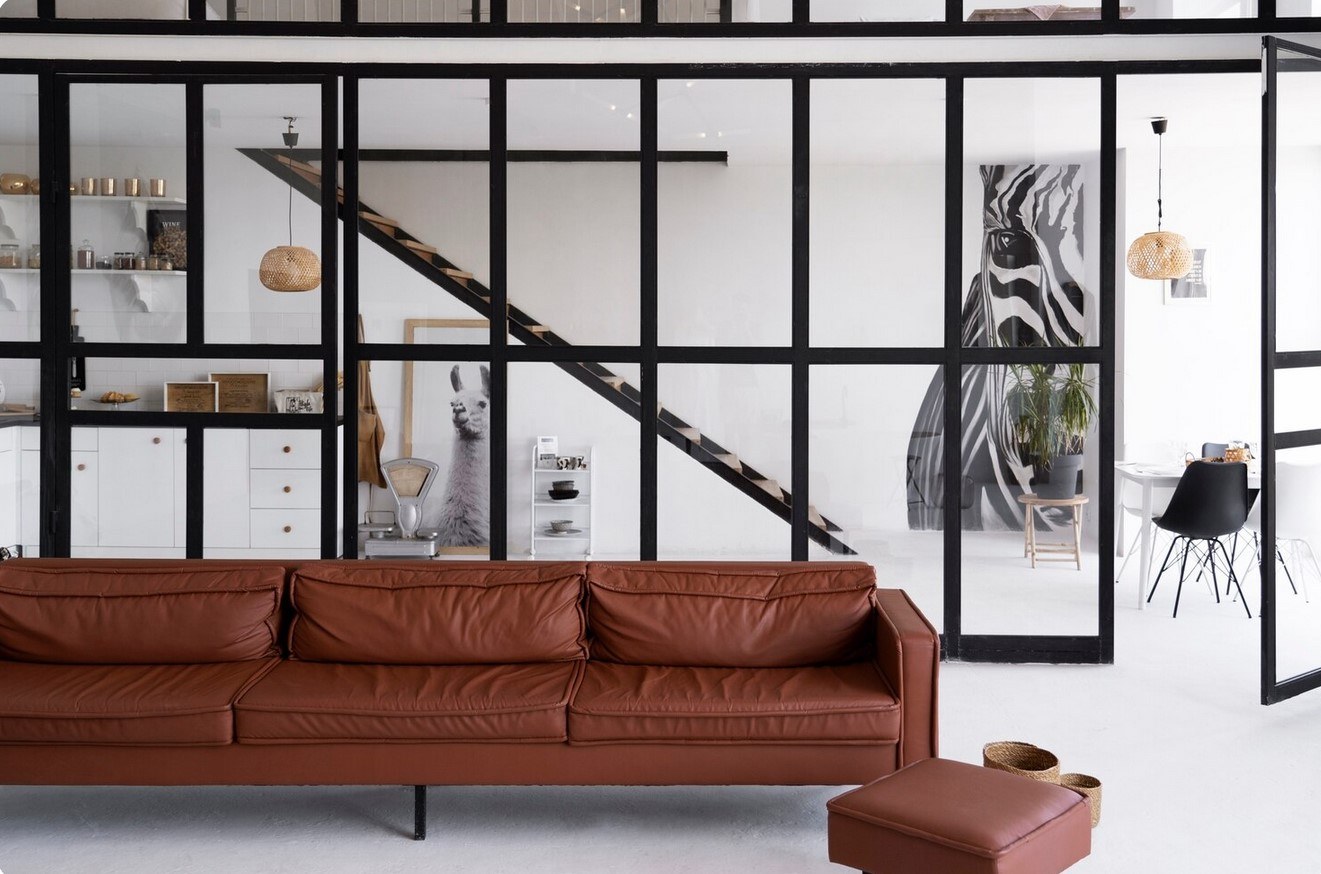
Interior design is no longer just about functionality; it is a balance of aesthetics, comfort, and practical solutions. Modern commercial and residential spaces increasingly rely on decorative metal room dividers to define zones while maintaining an open, airy feel. These dividers act as both functional barriers and statement pieces, contributing to the overall design language of the space.
At the same time, interior suppliers, especially interior soft furnishing supply chain companies, are providing complementary products such as curtains, cushions, upholstery, and rugs. When decorative metal dividers are combined with coordinated soft furnishings, the result is a cohesive, visually striking environment that balances hard architectural elements with softer textures.
Understanding how these elements interact helps designers and suppliers create spaces that are both beautiful and functional. Without any further delay, let’s begin with our article!
How Do Decorative Metal Room Dividers Enhance Modern Interiors?
Decorative metal room dividers are highly versatile. They can transform open-plan offices, living rooms, hotels, or restaurants by creating private zones without compromising light or space. Unlike traditional walls, metal dividers often feature intricate cutouts, geometric patterns, or minimalist designs that allow airflow and visibility while subtly defining spaces.
Beyond their functional use, these dividers also serve as focal points. Their metallic finishes (brushed, polished, or powder-coated) reflect light differently, adding depth and interest to interiors. Interior designers and suppliers recognize that a well-chosen metal divider can set the tone for the entire room, influencing the color palette, materials, and furniture choices that follow.
Why Are Coordinated Soft Furnishings Important in Complementing Metal Dividers?
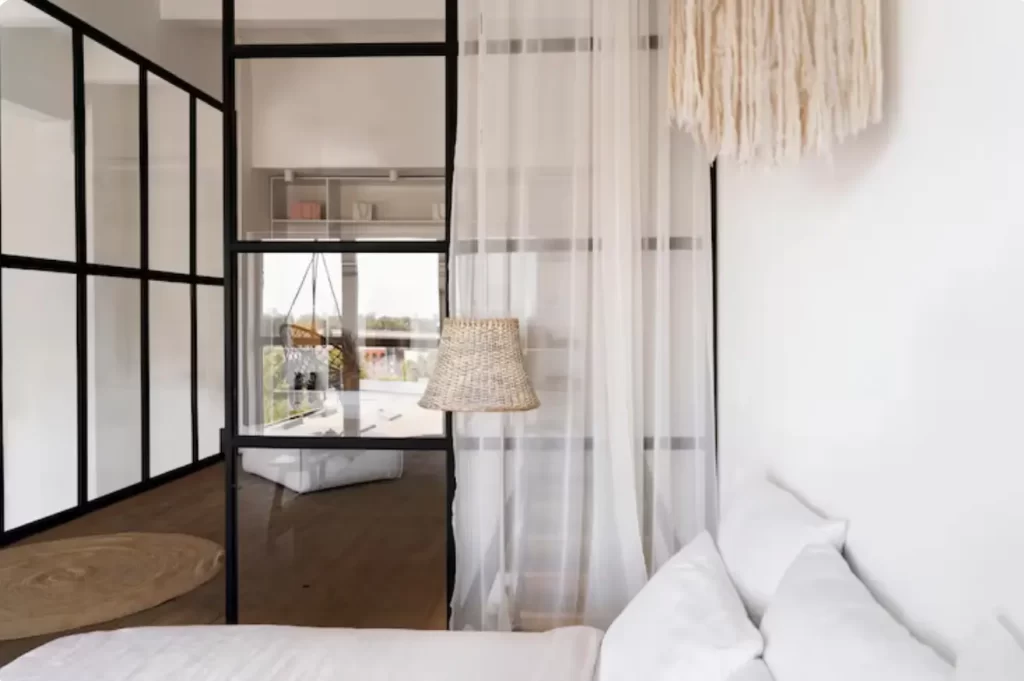
While metal dividers provide structure, soft furnishings add warmth, comfort, and a tactile dimension to interiors. Coordinated curtains, rugs, cushions, and upholstered furniture create harmony with the divider’s style and finish. For example, a gold-finished metal divider can be paired with warm-toned fabrics, while a matte black divider might be complemented by neutral or textured upholstery.
Suppliers in the interior soft furnishing supply chain ensure that fabric colors, patterns, and textures match or accentuate the metallic elements in a space. This careful curation elevates the interior’s aesthetic coherence, preventing clashes between hard and soft surfaces. The interplay between the divider’s geometric precision and the softness of fabrics creates an inviting, visually balanced environment.
How Do Interior Suppliers Integrate Metal Dividers into Turnkey Projects?
Modern interior projects often rely on interior soft furnishing supply chain companies to provide end-to-end solutions. These suppliers don’t just deliver fabrics; they offer guidance on how soft furnishings interact with structural and decorative elements like metal room dividers.
By collaborating with architects and designers, suppliers can recommend specific curtain styles, upholstery textures, and accent pieces that complement dividers. For example, in a boutique hotel lobby, metal screens with an abstract floral pattern might be paired with velvet seating and silk cushions in coordinated colors, creating a luxurious and cohesive visual experience.
This integration ensures that the space is both functional and aesthetically unified.
What Role Does Customization Play in Combining Dividers with Soft Furnishings?
Customization is key when combining decorative metal room dividers with soft furnishings. Standard designs often fail to consider the specific lighting, scale, or color palette of a space. Suppliers in the interior soft furnishing supply chain increasingly offer tailored solutions that take dimensions, fabric durability, and pattern alignment into account.
For example, a residential loft with a metal divider separating a living and dining area might require custom-sized panels to fit perfectly between floor and ceiling. The accompanying rugs, curtains, and cushions can then be made in matching or complementary materials to unify the two zones. This level of customization ensures that both the divider and furnishings appear intentional rather than an afterthought.
How Can Coordinated Dividers and Furnishings Improve Functionality and Comfort?
When implemented thoughtfully, decorative metal dividers and coordinated soft furnishings enhance not only aesthetics but also functionality. Dividers create semi-private areas in open spaces, while rugs or upholstered seating reduce noise, improving acoustics. Curtains or drapes can further control light, contributing to both comfort and usability.
Interior suppliers play a crucial role in this process. By supplying durable, high-quality soft furnishings that work with the metallic elements, they ensure that spaces are not only visually pleasing but also comfortable and practical. This combination allows workplaces, lounges, and hospitality environments to function efficiently while maintaining a strong design identity.
Example: Successful Integration of Metal Dividers and Soft Furnishings
A high-end coworking space recently collaborated with a leading interior soft furnishing supply chain company to redesign its open office. The design featured custom decorative metal room dividers with intricate geometric patterns, which separated meeting areas from shared workspaces. The supplier provided complementary soft furnishings, including upholstered chairs, acoustic wall panels, and patterned rugs, all coordinated with the dividers’ metallic finish.
The result was a harmonious blend of hard and soft elements that improved both aesthetics and usability. Employees reported increased comfort and focus, while visitors praised the sophisticated, modern look of the space. This example demonstrates how collaboration between metal divider design and soft furnishing supply can transform interiors.
What Trends Are Emerging in Metal Divider and Soft Furnishing Integration?
Emerging trends in interior design emphasize sustainability, versatility, and multi-functionality. Decorative metal room dividers are being designed with modular or movable features, allowing spaces to be reconfigured easily. Soft furnishings are similarly evolving, with fabrics that are durable, stain-resistant, and eco-friendly, ensuring longevity and reduced environmental impact.
Furthermore, suppliers are offering coordinated collections where fabrics and metallic elements are designed together, simplifying the decision-making process for interior designers. Color palettes, textures, and finishes are pre-selected to ensure harmony, making it easier to integrate dividers seamlessly into commercial and residential projects. These trends reflect a growing focus on creating cohesive, functional, and sustainable interior environments.

Conclusion:
Combining decorative metal room dividers with coordinated soft furnishings from a trusted interior soft furnishing supply chain company results in interiors that are functional, visually appealing, and comfortable. The dividers provide structure and style, while complementary fabrics, rugs, and upholstery add warmth and coherence.
Through careful customization, thoughtful material selection, and strategic supplier collaboration, modern interior projects achieve a balance between hard and soft elements that enhances both aesthetics and usability. As design trends continue to evolve, this integration will remain a key strategy for creating sophisticated, harmonious spaces.