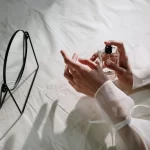
Entering a room and leaving a subtle, memorable impression is the ultimate goal of personal fragrance. However, many fragrance enthusiasts struggle with scents that fade within hours, leaving them reaching for the bottle repeatedly throughout the day. This is where the switch to oil-based fragrances changes the game. Unlike traditional alcohol-based sprays that evaporate quickly due to their volatility, a long lasting perfume oil offers a more intimate, enduring experience that binds with your skin’s natural chemistry.
Understanding how to apply these potent elixirs is an art form in itself. To help you master this ritual and ensure your signature scent stays with you from morning until night, we have compiled a comprehensive guide in a Frequently Asked Questions (FAQ) format. This structure addresses the most common concerns regarding application, preservation, and maximizing the longevity of your fragrance oils.
Understanding the Unique Nature of Perfume Oils
Before diving into application techniques, it is vital to understand what makes these products distinct from the Eau de Toilettes and Colognes found in department stores.
What makes a long lasting perfume oil different from spray perfume?
The primary difference lies in the carrier agent. Traditional spray perfumes are composed largely of alcohol (ethanol) and water, with a smaller percentage of fragrance concentrate. Alcohol is volatile, meaning it causes the scent to project far (sillage) but also evaporate rapidly.
In contrast, a long lasting perfume oil uses a carrier oil—such as jojoba, fractionated coconut oil, or sweet almond oil—mixed with a high concentration of fragrance. Because oil does not evaporate like alcohol, the scent “sticks” to the skin. It unfolds slowly, warmed by your body heat, resulting in a fragrance that evolves over many hours rather than disappearing after the top notes fade.
Why does perfume oil seem “quieter” than alcohol sprays?
This is a common observation. Perfume oils tend to sit closer to the skin. They do not announce your arrival from across the room; rather, they create a personal scent bubble that is discoverable by those who come into your personal space. This makes them ideal for office environments or intimate settings where a heavy cloud of perfume might be intrusive. The longevity is superior, even if the projection is more subtle.
The Golden Rules of Application
To get the most out of your fragrance, you must apply it strategically. The “spray and walk through” method used for alcohol perfumes does not apply here.
Where are the best pulse points for applying oil?
Pulse points are areas where blood vessels are closest to the skin’s surface. These spots emit heat, which helps to activate the oil and radiate the scent continuously.
To maximize the effect of your long lasting perfume oil, apply it to the following areas:
- The Wrists: The classic spot. Apply a small dab to the inner wrists.
- Behind the Ears: A warm, sheltered spot that allows the scent to waft when you turn your head.
- The Base of the Throat: The jugular notch is a prime heat source.
- Inner Elbows: A highly underrated spot that generates significant warmth, especially if you move your arms frequently.
- Behind the Knees: Scent rises. Applying oil here creates an aura of fragrance that moves with you, perfect for summer days when legs are exposed.
Should I rub my wrists together after application?
Absolutely not. This is the most common mistake in fragrance application. Friction generates heat that can break down the delicate molecular structure of the top notes (the first scents you smell). This accelerates the evaporation process and “bruises” the scent, causing it to change character or fade faster. instead, simply dab the oil onto the skin and let it absorb naturally.
How much oil should I use?
Because perfume oils are highly concentrated, a little goes a long way. Start with a small swipe of the rollerball or a single drop on your finger. You can always add more, but it is difficult to remove excess scent without washing it off. If you are looking to build a collection of potent scents to experiment with, you can browse a wide selection of perfume fragrance oil to find the concentrations that work best for your preferences.
Advanced Techniques for Maximizing Longevity
Even the best long lasting perfume oil can struggle against dry skin or harsh weather. Here is how to extend the wear time significantly.
How does skin hydration affect fragrance?
Dry skin is the enemy of fragrance longevity. If your skin is dry, there is nothing for the oil to bind to, and it will be absorbed or evaporate too quickly.
The Solution: Apply an unscented moisturizer or a matching body lotion immediately after showering. Once the lotion has absorbed, apply your perfume oil. The hydrated barrier acts as a primer, locking the scent onto the surface of the skin for hours longer than usual.
Can I apply perfume oil to my clothes or hair?
- Hair: Yes! Hair is porous and holds scent incredibly well. However, oils can make hair look greasy if applied to the roots. A pro tip is to apply a small amount of oil to your palms, rub them together, and gently run your hands through the ends of your hair. This provides a lovely scent trail when you move.
- Clothes: Proceed with caution. Because these fragrances are oil-based, they can leave grease stains on delicate fabrics like silk or satin. If you wish to scent your clothes, apply the oil to your skin and wait for it to dry completely before dressing, or apply it to dark, durable fabrics where a potential spot won’t show.
What is “layering,” and how do I do it?
Layering is the technique of combining different scents or products to create a unique aroma and increase staying power. You can layer a long lasting perfume oil underneath an alcohol-based spray. The oil acts as a fixative (a base) that “grabs” the alcohol perfume, helping it last longer. Alternatively, you can layer two different oils to create a custom blend—for example, a vanilla oil base with a floral top note.
Storage and Preservation FAQs
To ensure your investment remains a long lasting perfume oil for years to come, proper storage is non-negotiable.
Does perfume oil expire?
Technically, yes, but oils often have a longer shelf life than alcohol-based perfumes because they don’t oxidize as quickly. However, natural carrier oils can eventually go rancid. Typically, a high-quality perfume oil will last 2 to 5 years if stored correctly. If the oil begins to smell like crayons or vinegar, it has turned.
What is the best way to store my collection?
The three enemies of fragrance are Heat, Light, and Humidity.
- Do not store your perfumes in the bathroom. The fluctuating temperature and high humidity from showers will destroy the molecular integrity of the fragrance.
- Do not keep them on a sunny windowsill. UV light breaks down the compounds.
- Best Practice: Store your bottles in a cool, dark place, such as a drawer, a closet, or a dedicated vanity box away from direct sunlight.
Troubleshooting Common Scent Issues
Why can’t I smell my perfume anymore, but others can?
This phenomenon is known as “olfactory fatigue” or “nose blindness.” Your brain is wired to filter out constant stimuli to focus on new changes in the environment. If you wear the same long lasting perfume oil every day, your brain eventually decides it is a “safe” background smell and stops registering it.
The Fix: Rotate your fragrances. Do not wear the same scent more than two or three days in a row. By switching it up, you keep your olfactory receptors alert, allowing you to enjoy your own fragrance again.
Why does the scent smell different on me than on my friend?
Body chemistry plays a massive role in how a fragrance develops. Factors such as your diet, skin pH balance, hormone levels, and even medication can alter how the notes express themselves. An oil that smells sweet on one person may turn spicy or musky on another. This is why it is essential to test a fragrance on your own skin—not just on a paper strip—before committing to it.
Conclusion
Mastering the use of long lasting perfume oil is about understanding the delicate balance between skin chemistry, application technique, and environmental factors. By applying these oils to pulse points, ensuring your skin is well-hydrated, and storing your collection away from light and heat, you can ensure that your signature scent endures throughout the day. Whether you prefer deep musks, light florals, or complex gourmands, the oil format offers a luxurious, persistent aroma that alcohol sprays simply cannot match. Treat the application as a ritual, and you will be rewarded with a fragrance that is truly your own.