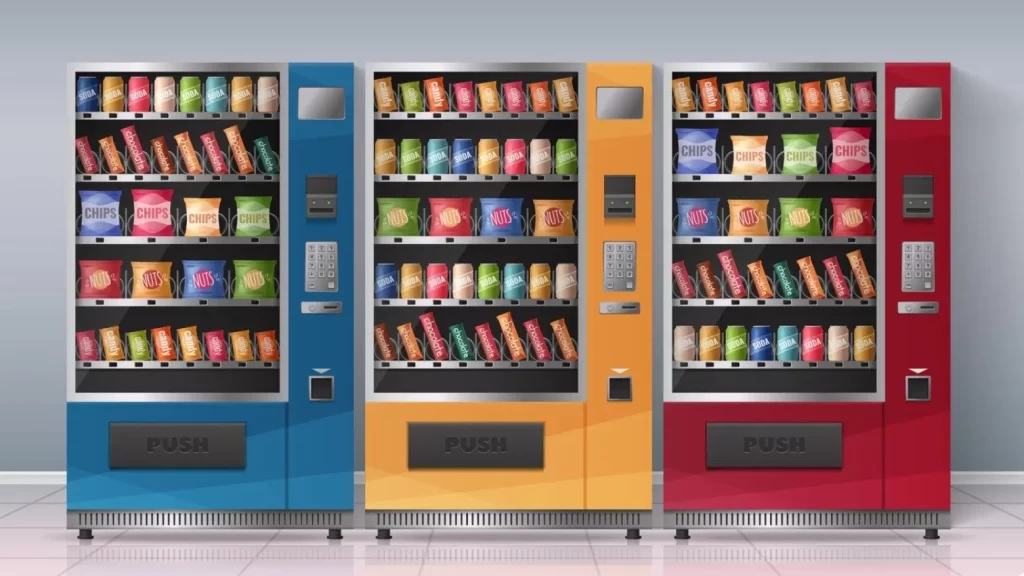
The vending industry has come a long way from simple coin-operated machines. Today’s smart vending machines rely on touchscreens, wireless connectivity, cashless payments, and automated inventory management. These innovations enhance convenience for consumers and operational efficiency for operators.
However, all these features depend on a consistent and reliable power source. Even a brief power failure can halt operations, disrupt transactions, or compromise product safety, particularly for refrigerated snacks.
This is why lithium battery packs have become essential for modern vending machines. Reliable batteries not only ensure seamless operations but also protect sensitive electronics and reduce maintenance costs. Now, it’s time to explore the topic thoroughly. Let’s begin!
Understanding Lithium Battery Packs
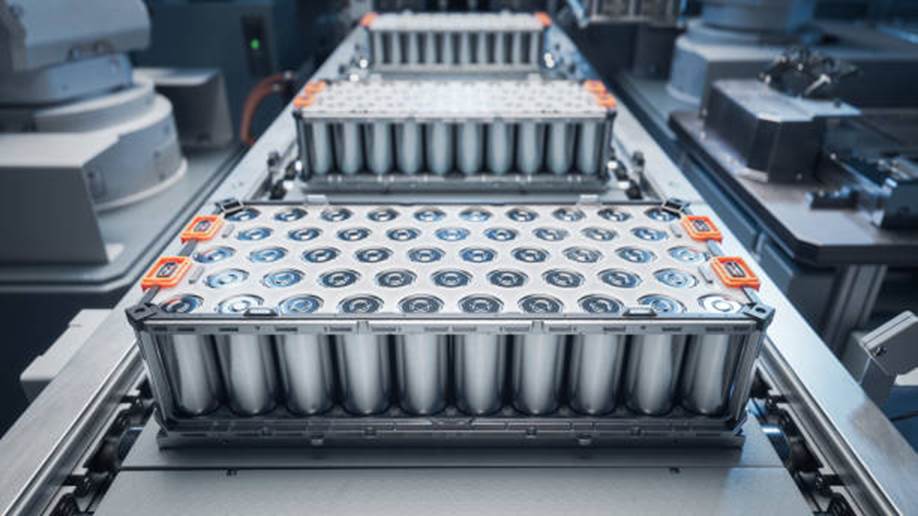
Lithium battery packs consist of multiple lithium-ion cells connected in series or parallel. Each cell stores chemical energy that is converted into electricity to power the device. In addition to the cells, modern battery packs include a Battery Management System (BMS), which monitors charge levels, temperature, and voltage to prevent overcharging or over-discharging. The compact size and high energy density of lithium batteries allow them to supply sufficient power for several days, even for machines that run displays, refrigeration, and IoT-enabled systems simultaneously. Their light weight makes it easier to integrate into snack vending machines without compromising internal storage space.
How Lithium Batteries Manage Power for Vending Machines
Smart snacks vending machines operate multiple power-intensive components simultaneously. Digital displays, touchscreen interfaces, cashless payment terminals, refrigeration units, and sensors all draw power continuously. Lithium battery packs ensure that each component receives consistent voltage, preventing interruptions or device malfunctions.
The BMS within a lithium battery pack actively balances the charge across cells to maintain optimal performance. For instance, if one cell begins to underperform due to temperature changes, the system redistributes energy to prevent failure. This capability allows smart vending machines to operate smoothly for extended periods, even in locations without stable mains power.
Furthermore, some battery packs include features for intelligent energy management, which adjusts power distribution according to demand. For example, refrigeration units may receive more energy during hot days while lower-priority components operate at minimal power to preserve battery life.
Battery Life Considerations for Smart Snack Machines
The longevity of lithium battery packs is a crucial factor for operators who rely on continuous uptime. Battery life is affected by several factors:
- Charge-discharge cycles: Higher quality lithium cells can endure thousands of cycles without significant capacity loss.
- Operating temperature: Extreme heat or cold can degrade batteries faster if not properly managed.
- Usage intensity: Machines with frequent high-energy demands, such as constant screen updates or multiple refrigeration cycles, may require higher-capacity packs or additional units for redundancy.
Selecting a lithium battery pack with sufficient capacity and thermal management ensures that machines remain operational and reduces the frequency of battery replacements, saving both time and costs.
How to Integrate Lithium Batteries in Vending Operations?
Integration of lithium battery packs into snacks vending machines involves more than simply inserting the battery. Operators and manufacturers must consider:
- Placement: Batteries must fit securely within the machine while leaving space for other components.
- Charging infrastructure: Fast-charging capabilities reduce downtime during maintenance.
- Monitoring systems: Battery health monitoring can alert operators when a pack needs replacement or servicing, preventing unexpected failures.
By addressing these considerations, operators can ensure that their machines remain functional, even in high-traffic or off-grid locations.
Example: Reliable Battery Use in Snack Vending
A vending operator managing a network of snack machines across a corporate campus provides a clear illustration. Some machines are positioned outdoors or in areas without easy access to mains electricity. To maintain continuous operation, each machine is equipped with a high-capacity lithium battery pack.
During a temporary power outage on campus, the battery-powered machines continued to operate seamlessly. Digital screens displayed menus without interruption, cashless payments processed correctly, and refrigerated snacks remained at safe temperatures. Moreover, the integrated monitoring system alerted the operator when battery charge levels approached critical limits, enabling proactive replacement.
This example highlights the importance of reliable lithium batteries in ensuring uninterrupted operation, product safety, and customer satisfaction for smart vending systems.
What Are Safety Features of Lithium Battery Packs?
Safety is paramount in energy storage systems. Lithium battery packs used in vending machines incorporate several protective features:
- Overcharge and over-discharge protection: Prevents damage to cells and extends battery life.
- Thermal management: Sensors and cooling systems prevent overheating.
- Short-circuit prevention: Reduces the risk of electrical faults or fire.
- Durable casing: Protects against physical damage from impact or vibration.
These features ensure that even in demanding operational environments, the battery packs remain safe and reliable.
What is The Future of Battery-Powered Smart Vending?
As smart vending machines become more advanced, energy demands will continue to grow. High-resolution touchscreens, AI-powered product recommendations, and IoT-enabled monitoring systems require reliable power solutions.
Future lithium battery technology is likely to include:
- Higher energy density cells for longer operational periods between charges.
- Predictive maintenance using integrated sensors and AI to anticipate battery replacement needs.
- Hybrid energy solutions, combining lithium batteries with solar or renewable energy for off-grid installations.
These advancements will further enhance operational efficiency, reduce maintenance requirements, and improve the reliability of vending operations.
Conclusion:
Reliable lithium battery packs are critical to the success of smart vending machines, particularly those selling snacks and perishable items. They provide stable, high-capacity power to digital displays, payment systems, sensors, and refrigeration units. Without reliable batteries, machines risk downtime, revenue loss, and compromised product quality.
Advanced lithium battery packs with integrated management systems ensure operational continuity, safety, and long-term durability. Real-world examples demonstrate how battery packs allow vending machines to operate uninterrupted during power outages, maintaining both customer satisfaction and revenue flow.
For vending operators looking to maximize efficiency, reduce maintenance costs, and support modern, connected machines, investing in high-quality lithium battery packs is essential. These batteries not only power operations. They can safeguard the reliability and success of smart vending networks.