Understanding Stainless Steel Screens in Furniture Design
Stainless steel screens are a versatile and modern addition to custom furniture for residencies. By integrating stainless steel screens into furniture design, you can achieve a sleek and contemporary look while also adding functionality. These screens can be used in various ways, such as room dividers, cabinet doors, or decorative elements.
Benefits of Stainless Steel Screens in Furniture Design
When incorporating stainless steel screens into custom furniture, you benefit from their durability, corrosion resistance, and easy maintenance. These screens are also highly customizable, allowing you to create unique pieces that suit your design preferences. Additionally, stainless steel screens can enhance the overall aesthetic of the furniture by adding a touch of sophistication and elegance.
Comparison: Stainless Steel Screens vs. Traditional Materials
To better understand the advantages of stainless steel screens in furniture design, let’s compare them to traditional materials like wood or glass:
| Criteria | Stainless Steel Screens | Traditional Materials |
| Durability | High | Varies |
| Maintenance | Low maintenance | Requires upkeep |
| Customization Options | Highly customizable | Limited options |
| Modern Aesthetic | Contemporary look | Classic appeal |
Tips for Designing with Stainless Steel Screens
1. Consider Functionality: Determine the purpose of the stainless steel screen in your furniture design. Whether it’s for privacy, decoration, or both, ensure that it serves a practical function.
2. Harmonize with Other Materials: Blend stainless steel screens seamlessly with other materials used in the furniture to create a cohesive and balanced look.
3. Experiment with Patterns: Explore different patterns and designs for the stainless steel screens to add visual interest and uniqueness to the furniture piece.
4. Lighting Considerations: Take into account how lighting interacts with the stainless steel screens to create captivating visual effects and ambiance.
By understanding the versatility and benefits of stainless steel screens in furniture design, you can elevate the aesthetic appeal and functionality of custom furniture for residencies.
Principles of Integrating Stainless Steel Screens into Custom Furniture
When integrating stainless steel screens into custom furniture for residencies, it is essential to follow a comprehensive approach that combines functionality, aesthetics, and durability. Here are some key principles to consider:
1. Functionality: Ensure that the stainless steel screens serve a practical purpose in the custom furniture design. Whether it’s for privacy, ventilation, or decorative purposes, the screens should enhance the functionality of the furniture.
2. Aesthetics: Pay attention to the visual appeal of the stainless steel screens. They should complement the overall design of the custom furniture and add a modern touch to the space. Consider different finishes and patterns to achieve the desired aesthetic effect.
3. Durability: Stainless steel is known for its durability and resistance to corrosion, making it an excellent choice for furniture applications. Ensure that the screens are of high quality and properly installed to withstand daily use and environmental factors.
4. Integration: Seamlessly integrate the stainless steel screens into the custom furniture design. Whether it’s a room divider, cabinet door, or decorative panel, the screens should blend harmoniously with the rest of the furniture piece.
5. Customization: Tailor the design of the stainless steel screens to meet the specific requirements of the custom furniture and the preferences of the residents. Customization allows for unique and personalized solutions that cater to individual needs.
6. Maintenance: Provide guidelines for the maintenance of the stainless steel screens to ensure longevity and optimal performance. Regular cleaning and care will preserve the appearance and functionality of the screens over time.
In summary, the integration of stainless steel screens into custom furniture for residencies requires a thoughtful approach that considers functionality, aesthetics, durability, integration, customization, and maintenance. By following these principles, you can create furniture pieces that are not only visually appealing but also practical and long-lasting.
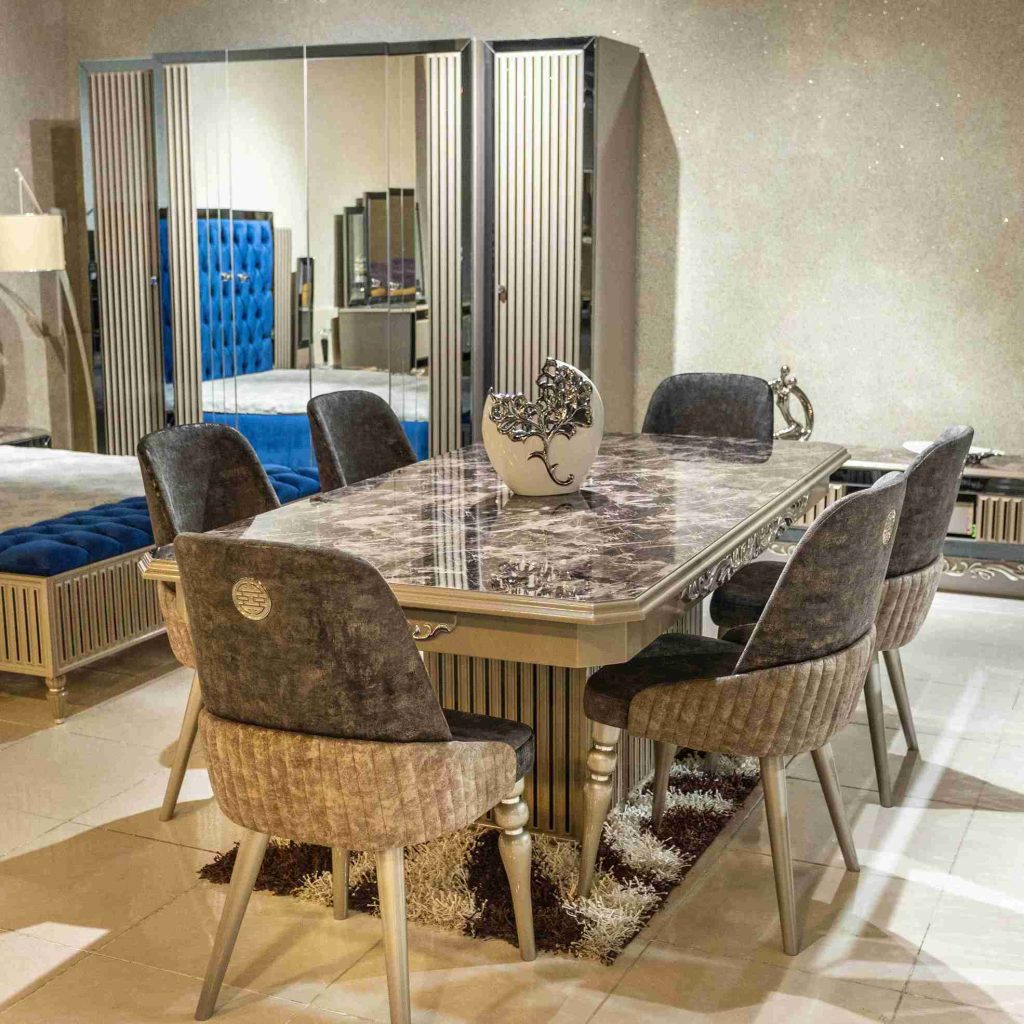
Implementing Stainless Steel Screens in Residential Custom Furniture
Incorporating Stainless Steel Screens into custom furniture for residencies requires a comprehensive approach to ensure both functionality and aesthetics. Here are key steps to effectively implement stainless steel screens in residential custom furniture:
Design Phase
During the design phase, consider the overall style and purpose of the custom furniture piece. Determine the size, shape, and placement of the stainless steel screens to complement the design while serving their intended function.
Material Selection
Choose high-quality stainless steel that aligns with the durability and aesthetic requirements of the custom furniture. Consider factors such as grade, finish, and thickness to ensure longevity and visual appeal.
Integration Techniques
Explore various integration techniques to seamlessly incorporate stainless steel screens into the furniture piece. Options include frameless designs, framed installations, or decorative overlays to achieve the desired look.
Functional Considerations
Prioritize functional considerations when implementing stainless steel screens. Ensure proper ventilation, light transmission, and structural support while maintaining the overall design integrity of the custom furniture.
Maintenance and Care
Educate users on the maintenance and care of stainless steel screens to prolong their lifespan and preserve the furniture’s appearance. Provide guidelines on cleaning methods, protective coatings, and routine inspections.
Enhancing Privacy and Style
Utilize stainless steel screens to enhance privacy in residential spaces while adding a touch of modern style. Experiment with patterns, textures, and finishes to create visual interest and a unique design statement.
Comparison Table: Stainless Steel Screen Types
| Stainless Steel Screen Type | Features | Applications |
| Woven Mesh Screens | Durable, flexible, customizable | Room dividers, cabinet doors |
| Perforated Metal Panels | Modern, decorative, light-filtering | Wall panels, decorative accents |
Checklist for Implementation
1. Design Concept: Define the purpose and aesthetics.
2. Material Selection: Choose high-quality stainless steel.
3. Integration Techniques: Explore various installation methods.
4. Functional Requirements: Ensure ventilation and support.
5. Maintenance Guidelines: Educate users on care practices.
6. Privacy and Style: Enhance residential spaces with style.
By following these steps and considerations, you can successfully integrate Stainless Steel Screens into custom furniture for residencies to achieve a harmonious blend of functionality and design.
Best Practices for Incorporating Stainless Steel Screens in Custom Furniture
When incorporating stainless steel screens into custom furniture for residencies, it is essential to follow best practices to ensure a seamless integration that enhances both aesthetics and functionality. Below are some key guidelines to consider:
Key Considerations for Integration
To successfully integrate stainless steel screens into custom furniture for residencies, you should pay attention to the following key considerations:
1. Design Cohesion: Ensure that the design of the stainless steel screens complements the overall aesthetic of the custom furniture, creating a cohesive look.
2. Functionality: Prioritize the functionality of the screens, considering factors such as ventilation, light filtration, and privacy requirements.
3. Durability: Opt for high-quality stainless steel that is durable and resistant to corrosion, ensuring longevity and minimal maintenance.
Best Practices
Here are some best practices to follow when incorporating stainless steel screens into custom furniture for residencies:
- Material Selection: Choose the appropriate grade of stainless steel based on the intended use and environmental factors.
- Customization: Tailor the design of the screens to fit seamlessly within the furniture piece, considering dimensions and placement.
- Integration: Ensure proper installation of the screens within the furniture structure, allowing for easy maintenance and accessibility if needed.
Comparison Table: Stainless Steel Screen Types
To better understand the options available for stainless steel screens in custom furniture, refer to the following comparison table:
| Screen Type | Features | Benefits |
| Woven Mesh | Elegant design, good airflow | Enhanced aesthetics |
| Perforated | Modern look, light filtration | Privacy and light control |
| Laser Cut | Intricate patterns, customization | Unique design elements |
Checklist for Integration
Use the following checklist to ensure a smooth integration process:
□ Confirm design specifications for the stainless steel screens.
□ Verify dimensions and placement within the custom furniture.
□ Test functionality and durability of the screens before final installation.
By following these best practices and guidelines, you can effectively incorporate stainless steel screens into custom furniture for residencies to achieve a harmonious blend of style and functionality.
Summary of Benefits and Considerations
When considering the integration of Stainless Steel Screens into Custom Furniture for residencies, there are several key benefits and considerations to keep in mind. By understanding these factors, you can make informed decisions to enhance the functionality and aesthetics of your living spaces.
Benefits
Here are some of the key benefits of integrating Stainless Steel Screens into Custom Furniture for residencies:
1. Durability: Stainless steel is known for its durability and resistance to corrosion, making it a long-lasting material for furniture.
2. Modern Aesthetics: The sleek and contemporary look of stainless steel can add a modern touch to your living spaces.
3. Versatility: Stainless steel screens can be customized to fit various design styles and preferences, offering versatility in furniture design.
4. Easy Maintenance: Stainless steel is easy to clean and maintain, requiring minimal effort to keep it looking its best.
5. Lightweight: Despite its strength, stainless steel is relatively lightweight, making it easy to move and rearrange furniture pieces.
Considerations
While there are numerous benefits to integrating Stainless Steel Screens into Custom Furniture for residencies, it is essential to consider the following factors:
1. Cost: Stainless steel furniture may come at a higher price point compared to other materials, so budget considerations are important.
2. Scratch Resistance: While durable, stainless steel is susceptible to scratches, which may affect the aesthetics over time.
3. Temperature Sensitivity: Stainless steel can feel cold to the touch, which may not be ideal for all climates or preferences.
4. Maintenance: While easy to maintain, stainless steel may require specific cleaning products to prevent damage or staining.
5. Design Compatibility: Ensure that the modern look of stainless steel aligns with the overall design aesthetic of your living spaces.
In conclusion, integrating Stainless Steel Screens into Custom Furniture for residencies offers a range of benefits, but it is crucial to consider the associated factors to make the best decision for your home. By weighing the benefits against the considerations, you can create a stylish and functional living environment that suits your needs and preferences.
Conclusion
1. Integrating stainless steel screens into custom furniture for residences offers a modern and sophisticated design solution.
2. The versatility of stainless steel screens allows for creative and unique furniture designs tailored to individual preferences.
3. By incorporating stainless steel screens, residences can achieve a sleek and contemporary aesthetic while maintaining functionality.
4. The durability and low maintenance of stainless steel make it an ideal material for long-lasting custom furniture pieces.
5. Overall, integrating stainless steel screens into custom furniture enhances the overall appeal and functionality of residential spaces.
Would you like to know more about integrating stainless steel screens into custom furniture for residences? Feel free to explore the following Q&A section for detailed information.
Q&A
1. How can stainless steel screens be customized to fit different furniture styles and sizes?
Stainless steel screens can be customized through various cutting techniques and finishes to ensure a perfect fit for any furniture design.
2. Are stainless steel screens suitable for outdoor custom furniture pieces?
Yes, stainless steel screens are highly durable and resistant to corrosion, making them an excellent choice for outdoor custom furniture.
3. What maintenance is required for custom furniture with stainless steel screens?
Regular cleaning with a mild detergent and soft cloth is usually sufficient to maintain the appearance of stainless steel screens on custom furniture.
4. Can stainless steel screens be combined with other materials in custom furniture designs?
Absolutely, stainless steel screens can be seamlessly integrated with materials such as wood, glass, or fabric to create unique and visually appealing furniture pieces.
5. How can integrating stainless steel screens into custom furniture enhance the overall design of a residence?
The sleek and modern look of stainless steel screens adds a touch of elegance and sophistication to residential spaces, elevating the overall design aesthetic.