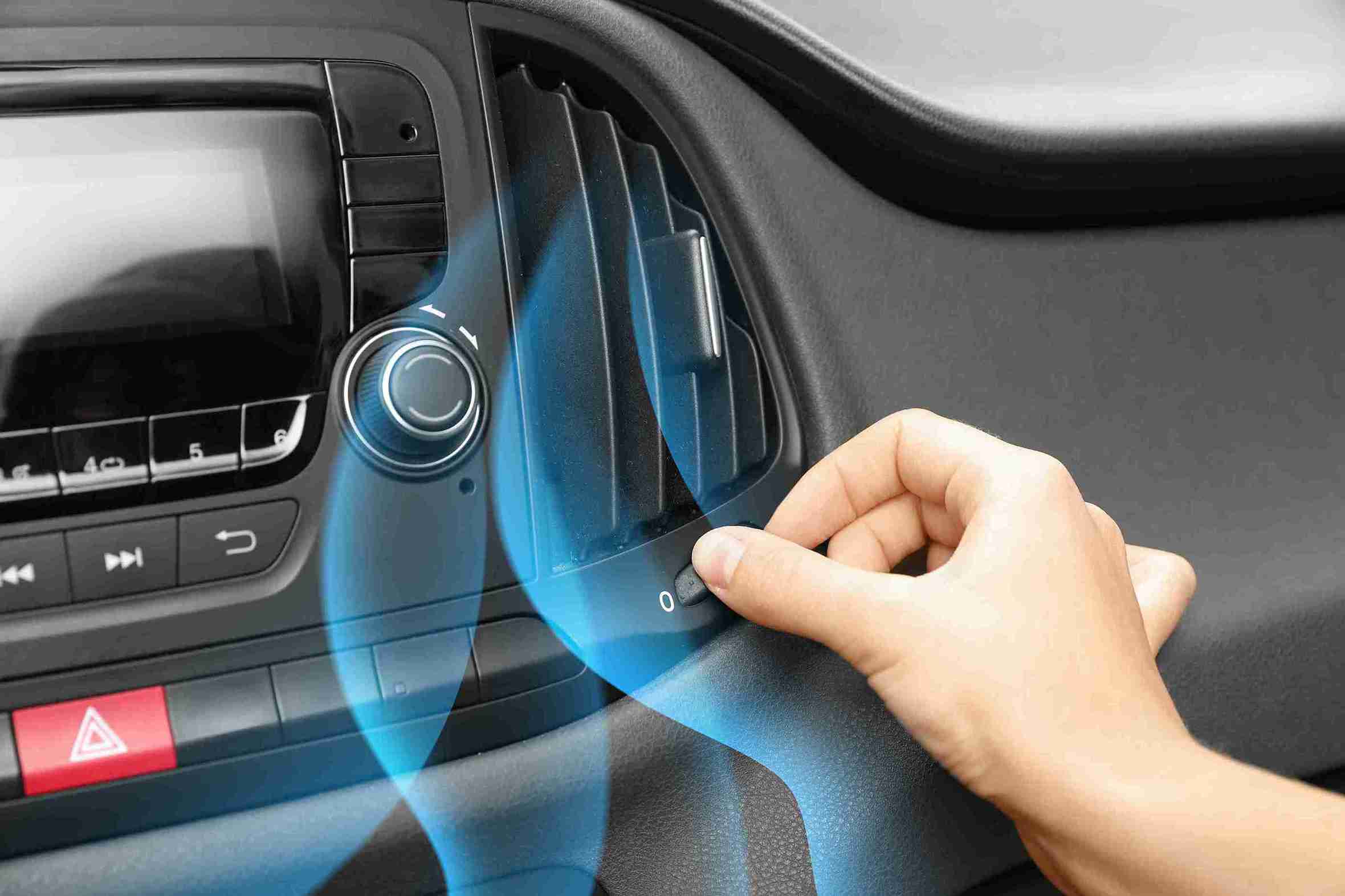
Modern vehicles now rely on smarter, safer, and more efficient cooling systems. Automakers seek performance that stays stable in every climate. Cooling efficiency now influences engine life, battery reliability, and passenger comfort. This shift pushes every auto parts manufacturer and wholesaler to redesign components.
Many manufacturers focus on air conditioner upgrades, thermal sensors, compact compressors, and energy control systems. These improvements support both fuel and electric vehicles.
In this article, we will explore how smarter cooling technologies improve system stability, extend vehicle life, and reshape supplier roles across the global automotive market.
Why Are Vehicle Cooling Requirements Changing So Rapidly Today?
Vehicle cooling needs have changed due to rising temperatures, stricter standards, and new mobility technology. Modern cars use high performance engines that generate more heat. Electric vehicles require precise thermal control for battery protection. Cabin comfort expectations have also increased. Drivers expect quiet systems and consistent temperatures. An auto parts manufacturer and wholesaler now handles more advanced components. They must supply sensors, compressors, evaporators, and control modules that meet higher efficiency standards.
Climate variation also influences cooling requirements. Vehicles must perform in hot regions, cold areas, and mixed climates. Air conditioner systems now adapt to different thermal loads. Sensors detect humidity levels and adjust cooling cycles. These functions reduce energy consumption and improve reliability.
Material technology also plays a role. Lightweight materials help vehicles use less energy. Modern cooling components use composites, aluminum alloys, and insulated materials. These reduce heat loss and support efficient thermal transfer. Manufacturers now test every part under real conditions. This ensures long term stability and safe performance in daily use.
How Do Auto Parts Manufacturers Improve Modern Vehicle Cooling Systems?
Every major auto parts manufacturer and wholesaler now invests in smart cooling innovation. They combine mechanical engineering with electronics. This gives air conditioner systems better accuracy and improved reliability. New compressors use variable speed technology. The compressor adjusts speed based on cabin needs. This prevents wasted energy and delivers smoother cooling.
Thermal sensors now guide system behavior. Sensors track cabin temperature, engine load, and humidity. The control module analyzes data and adjusts airflow. This produces stable cooling and protects engine parts. High quality valves also help regulate refrigerant flow. Better flow control prevents overheating and improves system lifespan.
Many suppliers now upgrade condenser and evaporator designs. Thin fin structures increase surface area. This improves heat exchange and reduces cooling time. Coated surfaces also resist corrosion. This is important for vehicles used in coastal or humid regions.
Electronics have transformed the cooling system. Smart modules collect real time data from different vehicle zones. The software predicts thermal behavior and adjusts system output. These features were once limited to luxury vehicles. Today many standard models use the same technology.
Auto parts manufacturers also focus on durability. They test systems under vibration, dust, and temperature changes. This ensures air conditioner components work well for many years. Stronger parts reduce replacement cycles and maintenance costs.
How Does Smart Cooling Support Electric and Hybrid Vehicles?

Electric and hybrid vehicles depend heavily on precise cooling. Their batteries require stable temperatures for safe performance. Excess heat reduces charging efficiency and shortens battery life. An auto parts manufacturer and wholesaler now develops advanced cooling parts for electric models. These include coolant pumps, heat exchangers, and battery cooling plates.
EV air conditioner systems also operate differently. They use electric compressors instead of belt driven units. Electric compressors support better efficiency and lower energy use. They adjust instantly based on thermal demand. Battery control systems communicate with the air conditioner. This coordination keeps both the cabin and battery at safe temperatures.
Heat pump systems have gained popularity. A heat pump provides cooling and heating with less energy. It is more efficient than standard heating systems in cold regions. EV suppliers now integrate heat pumps into many vehicle models. This improves driving range and comfort.
Smart cooling also protects power electronics. Inverters and converters generate heat during operation. Proper thermal management ensures stable power delivery. Thermal pads and cooling plates maintain safe temperatures. This prevents overheating and ensures long term reliability.
Smarter cooling also supports fast charging. Batteries heat up during high speed charging. Cooling systems must remove heat quickly and safely. Efficient cooling allows faster charging cycles. This improves convenience for EV users.
What Role Do Air Conditioner Innovations Play in Passenger Comfort?
Passenger comfort is now a major focus for vehicle manufacturers. Modern air conditioner systems offer adjustable comfort zones. This allows each passenger to control their own temperature. Sensors track sunlight, outside temperature, and humidity. The system adjusts airflow automatically.
Noise control is also important. Compressors and fans are now quieter. This creates a smooth cabin experience. An advanced auto parts manufacturer and wholesaler supplies low noise components. These include quiet compressor housings and optimized airflow ducts.
Air filtration has become essential. Drivers want cleaner and healthier air. Modern systems use filters that capture dust, odors, and pollutants. Multi layer filters protect passengers from allergens. Activated carbon layers neutralize harmful particles.
Smart cabins now use digital climate controls. Drivers adjust settings through touch screens or mobile apps. Some vehicles allow remote cooling. Drivers can cool the car before entering. This improves comfort in hot regions.
Automatic recirculation reduces energy use. The system switches between fresh air and recycled air. This maintains comfort and saves energy. These features show how air conditioner innovation supports enjoyable travel.
How Are Future Technologies Transforming Vehicle Cooling Systems?
Future vehicles will use even smarter cooling systems. Artificial intelligence will predict thermal behavior. AI systems will monitor driving conditions and adjust cooling output instantly. This creates precise control with minimal energy usage.
Advanced materials will reduce heat transfer losses. Graphene coatings and nano films may appear in future cooling parts. These materials handle heat more efficiently and resist wear. Automakers also plan to integrate thermal management with vehicle networks. The cooling system will communicate with sensors across the vehicle. This enhances performance and reduces energy waste.
Refrigerants will also change. New refrigerants reduce environmental impact. They provide safer and more efficient cooling. Manufacturers now test these refrigerants to ensure compatibility. Future air conditioner systems will have smaller and more powerful compressors. This frees space for new electronics and safety systems. Battery focused cooling will also improve. Vehicles will use more accurate cooling plates and modular cooling loops.
These innovations show how cooling technology will continue to evolve. They support better safety, comfort, and performance.
Conclusion:
Smarter cooling systems now shape the future of vehicle design. Every auto parts manufacturer and wholesaler works to improve efficiency and safety. Modern air conditioner technology influences comfort, battery life, and engine stability. Electric and hybrid vehicles depend on precise thermal control for optimal performance. New materials and digital control systems support longer part lifespan and lower energy use. Manufacturers invest in advanced sensors, predictive software, and lightweight components.
These innovations reduce maintenance costs and support environmental goals. Smarter cooling makes vehicles safer, more reliable, and more comfortable, which helps the global automotive industry continue moving toward better and more sustainable performance.