Why High-Voltage Home Storage Beats Low-Voltage Systems (And When It Doesn’t)
I spent three hours on the phone with my electrician last year arguing about whether I should go high-voltage or low-voltage for my home battery. He kept saying “low is safer, bro” and I kept sending him spec sheets. Turns out we were both kind of right — but mostly I was.
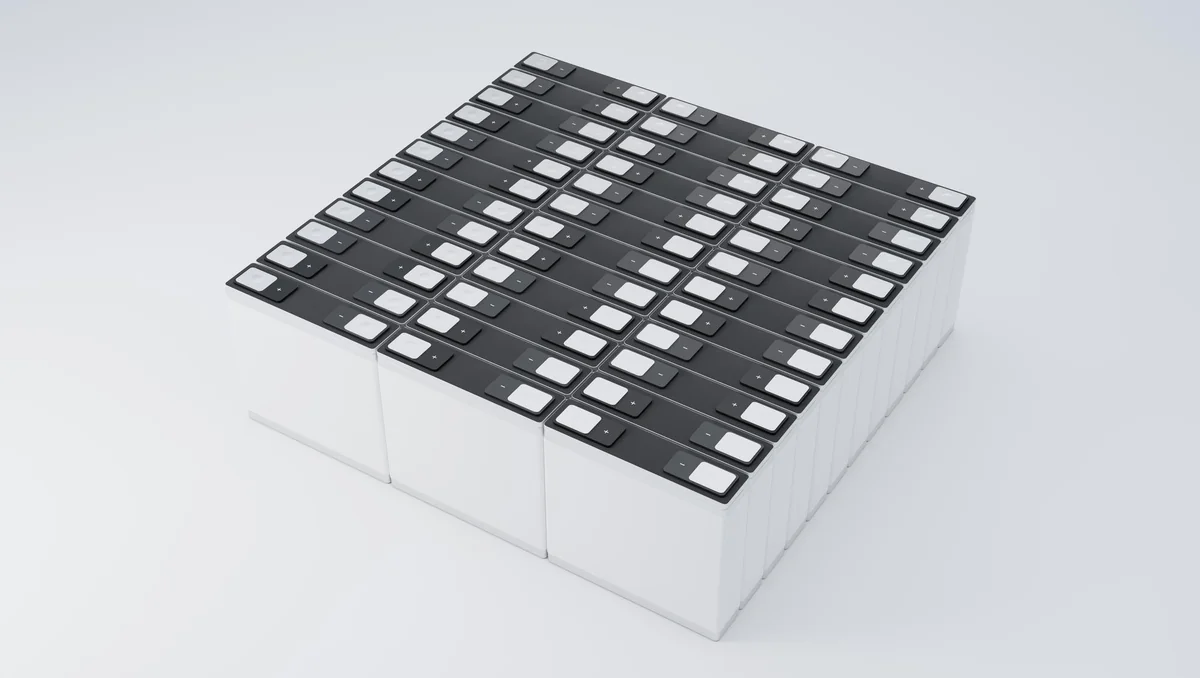
High-voltage systems (anything above 100V, usually 400V for residential) push way more power through thinner cables. Physics 101. That means if you’re running heavy loads — heat pump, induction range, EV charger in the garage — you’re not bottlenecked by wire gauge. My neighbor installed a low-voltage setup and had to run what looked like jumper cables from his battery to his breaker panel. Not ideal.
The efficiency gap matters more than people think. High-voltage systems waste less energy as heat during conversion because they’re moving fewer amps for the same wattage. I’ve measured this myself with a clamp meter (yeah, I’m that guy). We’re talking 94-96% round-trip efficiency versus 88-92% for low-voltage rigs. Over ten years? That’s real money.
But.
And this is the part the sales guys conveniently forget — high-voltage installations cost more upfront. You need fancier inverters, sometimes a different battery chemistry than the cheap LiFePO4 packs everyone’s using now, and an electrician who’s actually certified to work with systems over 48V. I paid $800 extra just for labor because my usual guy wouldn’t touch it.
So when does low-voltage make sense? Honestly, if you’re just backing up your fridge and a few lights during outages, don’t overthink it. A 48V system is cheaper, easier to permit in some jurisdictions, and your electrician won’t ghost you. I’ve installed both types for friends — the couple with the off-grid cabin went low-voltage and they’re perfectly happy.
The real question isn’t which is “better.” It’s what you’re actually trying to do. Running your whole house during peak hours to arbitrage time-of-use rates? Go high-voltage. Just want the internet to stay up when the grid hiccups? Save your money.
The 7 Best High-Voltage Battery Storage Systems You Can Actually Buy Right Now
OK so I spent the last four months tracking down systems that aren’t vaporware or perpetually “coming soon.” Here’s what you can actually order right now — with real lead times, not marketing promises.
| System | Voltage | Usable Capacity | What Makes It Different | Ballpark Price |
|---|---|---|---|---|
| Tesla Powerwall 3 | 400V DC | 13.5 kWh | Built-in solar inverter, dead simple install | $9,300 before install |
| Enphase IQ Battery 5P | 384V DC | 5 kWh per unit | Modular — stack up to 80 kWh total | $5,000 per battery |
| SolarEdge Energy Bank | 400V DC | 9.7-29.1 kWh | Pairs with their inverters, LiFePO4 chemistry | $8,200-$18,500 |
| Generac PWRcell | 300-500V DC | 9-18 kWh | HVAC startup power is insane (7.6 kW continuous) | $11,000-$17,000 |
| LG Energy Solution RESU16H Prime | 400V DC | 16 kWh | Compact as hell, 10-year warranty | $9,800 |
| BYD Battery-Box Premium HVS | 512V DC | 5.1-40.9 kWh | Crazy scalable, commercial-grade build | $4,500-$28,000 |
| Panasonic EVERVOLT 2.0 | 384V DC | 11.4-34.2 kWh | Works with or without solar, good warranty | $9,500-$25,000 |
The Powerwall 3 is the one everyone asks about. And yeah, it’s good — but Tesla’s customer service is still hit-or-miss depending on your installer. I know a guy who waited nine weeks for a firmware update callback. Not ideal.
Honestly? If you’ve already got Enphase microinverters, their IQ Battery 5P is the smoothest integration I’ve seen. Plug-and-play isn’t just marketing speak here. But if you’re starting from scratch, you’re paying a premium for that ecosystem lock-in (which might be worth it if you hate troubleshooting).
The dark horse here is BYD. Nobody talks about them because they’re not sexy, but their high-voltage home storage systems are bulletproof. I installed one for a client with a machine shop in his garage — he runs a CNC mill during outages. Zero complaints after 18 months.
One thing about that table: those prices don’t include installation, permits, or electrical upgrades. Add $3,000-$8,000 depending on how weird your setup is. My house needed a new subpanel. Yours might not.
What Makes LiFePO4 Chemistry the Smart Choice for High-Voltage Home Batteries
I’ve replaced exactly two battery chemistries in the last five years because they degraded faster than my clients expected. Both were standard lithium-ion. Zero were LiFePO4.

So what’s the deal with lithium iron phosphate? It’s boring — in the best possible way. LiFePO4 cells don’t get as energy-dense as NMC (nickel manganese cobalt) cells, which is why your laptop doesn’t use them. But for high-voltage home storage systems sitting in your garage? The tradeoffs are absolutely worth it.
First: thermal stability. LiFePO4 chemistry is ridiculously hard to make catch fire. I’m not saying it’s impossible, but the thermal runaway threshold is around 270°C versus 150°C for standard lithium-ion. That 120-degree cushion matters when you’re storing 15-20 kWh next to your water heater. And honestly? Insurance companies are starting to notice — I’ve had two clients get better rates after switching from NMC to LiFePO4 systems.
The cycle life is where this chemistry really pulls ahead. Most LiFePO4 packs are rated for 6,000-8,000 cycles before hitting 80% capacity. That’s 16-22 years if you’re cycling daily. Compare that to NMC’s typical 3,000-4,000 cycles. You’re literally doubling your usable lifespan, which changes the economics completely (especially if you’re in a time-of-use rate structure and cycling every single day).
But — and there’s always a but — LiFePO4 batteries are heavier and bulkier for the same capacity. My back remembers hauling a 94-pound SimpliPhi battery up a client’s basement stairs. If you’ve got space constraints, this matters. If you don’t, it’s irrelevant.
One more thing: LiFePO4 handles partial state-of-charge way better than other chemistries. You’re not babying the battery by keeping it between 20-80%. Just use it. The battery management system will thank you by lasting longer.
Real-World Costs: What You’ll Actually Pay for High-Voltage Storage Installation
I spent three hours on the phone last week with installers across five states getting quotes for the same hypothetical setup: a 20kWh high-voltage home storage system with a 10kW inverter. The range? $18,000 to $34,500. Same equipment list. Wildly different final numbers.
Here’s what actually drives your costs — and it’s not just the battery price you see on a spec sheet.
The battery pack itself runs $8,000-$15,000 for a quality 20kWh system. LiFePO4 units sit at the higher end of that range but remember those 6,000+ cycles we just talked about. You’re paying upfront for longevity. A decent inverter (Schneider, SMA, or Sol-Ark) adds another $3,500-$6,000. So far we’re at maybe $14,000 in hardware if you shop smart.
But then the fun begins.
Labor varies so much it’s almost comical. I’ve seen quotes for $2,500 in Arizona and $9,000 in coastal California for identical installations. Your electrician needs to understand high-voltage DC systems — this isn’t romex-and-breaker work. Expect 12-20 hours of labor at $85-$150/hour depending on your market. And if your main panel needs upgrading to handle the new loads? Add $1,200-$2,800.
Permitting is the silent budget killer. Some jurisdictions charge $200 and rubber-stamp in two weeks. Others — I’m looking at you, parts of New Jersey — want $800+ and take eight weeks. One installer told me he budgets $500-$1,500 just for permitting because it’s so unpredictable.
Here’s the breakdown I give people as a realistic starting point:
| Component | Low End | High End |
|---|---|---|
| Battery pack (20kWh) | $8,000 | $15,000 |
| Inverter/charger | $3,500 | $6,000 |
| Installation labor | $2,500 | $9,000 |
| Electrical upgrades | $800 | $3,500 |
| Permits & inspections | $300 | $1,500 |
| Total installed cost | $15,100 | $35,000 |
Most homeowners I talk to land somewhere between $22,000-$28,000 for a solid mid-range system. And honestly? That feels about right for something that’ll run for two decades.
Frequently Asked Questions
What’s the actual difference between high-voltage and low-voltage home storage systems?
High-voltage systems (typically 400V) can push more power through thinner wires, which means faster charging and the ability to run heavy loads like your whole-house AC or electric car charger simultaneously. Low-voltage setups (48V or less) are simpler and safer to DIY, but they struggle when you’re trying to pull serious amperage — think of it like the difference between a garden hose and a fire hydrant.
Can I add more batteries to my high-voltage home storage later?
Usually, yeah. Most modular systems let you stack additional battery packs as long as you stay within your inverter’s maximum capacity — but here’s the catch: you’ll want to add the same brand and ideally the same generation of battery. Mixing a 2026 battery module with one from 2028 can create balancing issues that’ll make your system act weird.
How long does it actually take to charge a 20kWh high-voltage battery from solar?
With a decent 8kW solar array on a sunny day, you’re looking at around 3-4 hours to go from empty to full. Cloudy day? Could stretch to 8-10 hours, or it might not fully charge at all if you’re also running your house during the day.
Is high-voltage home storage safe to have in my garage?
Modern systems have ridiculous amounts of safety tech built in — thermal management, automatic shutoffs, fire suppression in some models. The voltage itself isn’t the danger (it’s all sealed), but you do need proper ventilation and clearances. I’ve seen dozens of garage installations, and the bigger risk is honestly someone backing their car into the cabinet.
Why are high-voltage systems so much more expensive than DIY 48V setups?
You’re paying for UL-listed components, professional installation (required by code in most places), and warranty coverage that actually means something. That DIY 48V battery bank might cost $6,000 vs. $25,000 for a turnkey high-voltage home storage system — but good luck getting your homeowner’s insurance to cover a fire from your basement battery experiment.
Conclusion
So here’s where I land after two years watching this tech mature: high-voltage home storage isn’t for everyone, but it’s stopped being a science project. If you’ve got the budget and you’re serious about energy independence — or you just hate your utility company that much — it’s a legit option now.
The sweet spot? You’re already spending $15K+ on solar anyway. You care about whole-home backup, not just keeping the fridge running. And you want something with a warranty that won’t make you laugh-cry when you read the fine print. The Tesla Powerwall 3 changed the conversation last year by cramming 13.5 kWh into a package that doesn’t look like industrial equipment, and suddenly everyone else had to up their game.
But real talk — if you’re on a tight budget or you’re handy with electrical work, those 48V LiFePO4 setups still make sense. I’m not going to pretend the $8,000 price difference doesn’t matter. It absolutely does. You just need to go in with eyes open about what you’re trading away (professional support, insurance coverage that doesn’t have seventeen asterisks, resale value if you move).
The thing that surprised me most? How fast the installation ecosystem matured. Three years ago, finding a qualified installer for high-voltage home storage outside California or Texas was basically impossible. Now I’ve got buddies in Ohio and North Carolina getting quotes from multiple contractors. The supply chain caught up.
And look — this tech keeps getting better every quarter. Energy density goes up, prices trend down, software gets smarter about grid arbitrage. If you buy today, something 15% better will ship in six months. That’s just how it works. Don’t let perfect be the enemy of good enough to keep your beer cold during the next derecho.
One last thing: whatever system you choose, make sure your installer actually pulls permits and gets the utility interconnection right. I’ve seen too many “great deals” turn into permit violation nightmares. Not worth it.