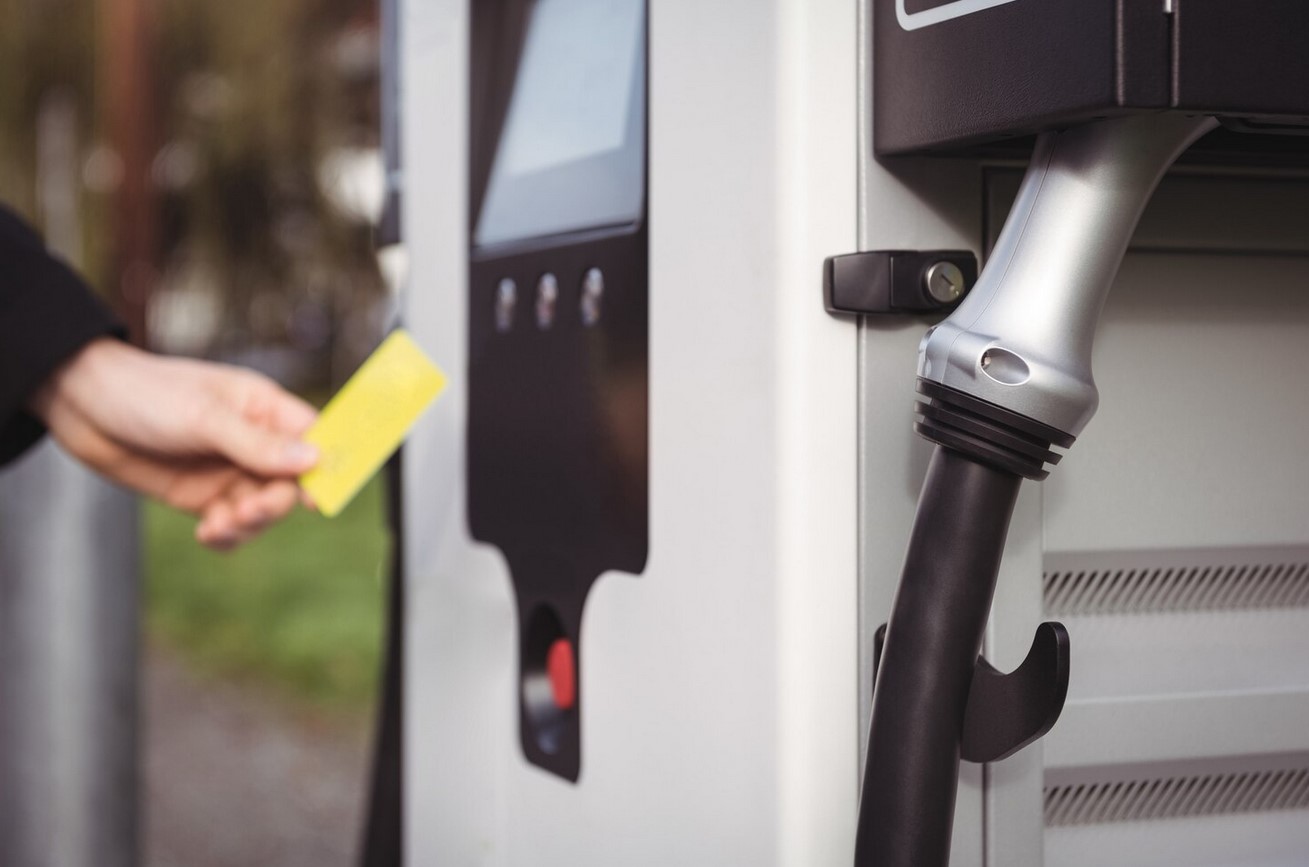
Have you ever wondered why some fuel dispenser machines operate smoothly for years while others fail quickly?
Many people focus on major repairs when problems appear. However, simple maintenance practices often determine how long equipment lasts. Fuel dispenser machines contain several moving parts that experience regular friction. Without proper lubrication, these components may wear out faster.
Regular maintenance can prevent expensive breakdowns and ensure consistent performance. One of the most effective lubrication products used in mechanical maintenance is lithium grease. Applying lithium grease correctly is important for achieving the best results. A structured approach ensures every moving component receives proper lubrication.
Understanding the process helps both technicians and equipment owners maintain fuel dispenser machines efficiently at home or in the workplace. Without any further delay, let’s begin with our article!
Why Is Lithium Grease Important for Fuel Dispenser Machine Maintenance?
Fuel dispenser machines contain several mechanical parts that move frequently during operation. These components generate friction and heat over time. Without lubrication, friction can damage internal surfaces and reduce equipment efficiency.
Lithium grease plays an important role in reducing this friction. It forms a protective layer between metal surfaces. This layer allows components to move smoothly without excessive wear. As a result, equipment operates more efficiently. Another advantage involves moisture resistance. Fuel stations often operate in environments exposed to humidity and dust. Lithium grease protects metal parts from corrosion and environmental damage. This protection extends the lifespan of mechanical components.
Lithium grease also remains stable under varying temperatures. Fuel dispenser machines may experience temperature fluctuations throughout the day. Stable lubrication ensures consistent performance regardless of environmental conditions.
Because of these benefits, technicians widely recommend lithium grease for routine fuel dispenser machine maintenance.

What Tools and Safety Steps Are Needed Before Applying Lithium Grease?
Proper preparation ensures safe and effective maintenance. Before applying lithium grease, it is important to gather the necessary tools. These tools help complete the task efficiently and reduce the risk of equipment damage.
Common tools include a grease gun or applicator, cleaning cloths, and protective gloves. A soft brush may also help remove dirt from mechanical parts. Using the correct tools improves lubrication accuracy. Safety should always be a priority during maintenance work. Fuel dispenser machines handle flammable materials. Therefore, the equipment must be switched off completely before starting any maintenance task.
Cleaning the lubrication areas is also important. Dust, old grease, and debris can affect the performance of new lubricant. Wiping the surfaces with a clean cloth ensures proper adhesion of lithium grease.
Technicians should also inspect visible components for wear or damage. Identifying potential issues early helps prevent larger mechanical failures in the future.
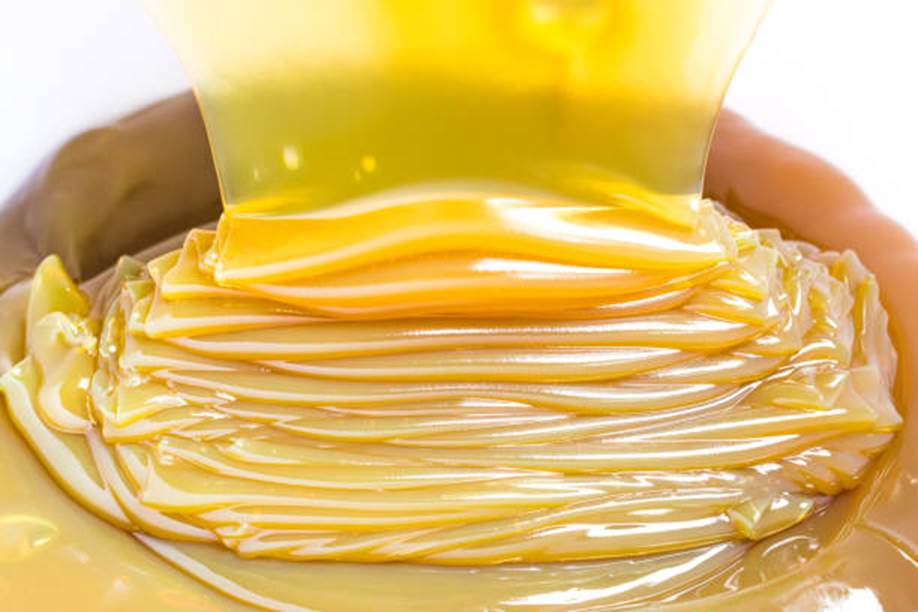
How Can Lithium Grease Be Applied Step by Step on a Fuel Dispenser Machine?
Applying lithium grease requires a simple but organized process. Following clear steps ensures that each component receives adequate lubrication.
1. The first step involves identifying all moving parts that require lubrication. These typically include hinges, rollers, joints, and mechanical linkages. Consulting the equipment manual helps locate these components.
2. The next step involves cleaning the lubrication points. Removing dirt and old grease prevents contamination. A clean surface allows the lithium grease to work effectively. Once the surfaces are clean, a small amount of lithium grease can be applied. A grease gun helps control the amount of lubricant used. Applying too much grease may attract dust and debris.
3. After applying the grease, move the lubricated components gently. This motion spreads the grease evenly across the surfaces. Proper distribution ensures smooth operation.
4. Finally, inspect the lubricated parts to confirm even coverage. Properly lubricated components should move smoothly without resistance.
How Often Should Lithium Grease Be Applied to Fuel Dispenser Machines?
Maintenance schedules vary depending on equipment usage and environmental conditions. Machines used frequently require more regular lubrication. Routine inspection helps determine when lubrication is necessary.
Many technicians recommend checking lubrication points every few months. High traffic fuel stations may require more frequent maintenance. Regular inspections prevent friction related damage before it occurs. Environmental conditions also influence lubrication schedules. Dusty or humid environments may require more frequent grease application. Lithium grease helps protect components from these conditions.
Preventive maintenance offers long term benefits. Regular lubrication reduces the risk of mechanical failure. It also lowers repair costs by preventing serious equipment damage. By maintaining a consistent schedule, operators can keep fuel dispenser machines functioning efficiently.

What Common DIY Mistakes Should Be Avoided When Using Lithium Grease?
While lubrication seems simple, certain mistakes can reduce its effectiveness. Understanding these common errors helps improve maintenance results.
One common mistake involves applying too much grease. Excess lubricant can attract dirt and create buildup around moving parts. This buildup may eventually restrict movement. Another mistake involves ignoring cleaning procedures. Applying new grease over contaminated surfaces reduces lubrication quality. Proper cleaning ensures the grease functions correctly.
Using the wrong lubrication product can also cause problems. Different machines require specific lubrication types. Lithium grease is suitable for many metal components, but checking equipment recommendations remains important. Skipping regular inspections is another issue. Even well lubricated equipment requires routine monitoring. Early detection of wear helps prevent larger mechanical failures.
Avoiding these mistakes ensures lithium grease provides maximum protection for fuel dispenser machines.
Conclusion:
No doubt, mechanical components require protection from friction and environmental damage. And this damage can be prevented by applying lithium grease.
Applying lithium grease using a structured approach helps protect critical machine components. Cleaning surfaces, applying the correct amount, and ensuring proper distribution improves lubrication performance. These steps reduce wear and maintain smooth equipment operation.
Regular maintenance also prevents unexpected downtime. Fuel dispenser machines that receive proper lubrication experience fewer mechanical issues. This reliability benefits both technicians and equipment owners.
Whether maintenance occurs at home workshops or professional facilities, understanding proper lubrication techniques remains valuable. By following a clear maintenance routine, operators can extend equipment lifespan and ensure fuel dispenser machines continue operating safely and efficiently.