Why Healthy Eating on a Budget Isn’t Actually Impossible (You Just Need a System)
I spent $47 on groceries last week and ate better than I did the month before when I dropped nearly $200. That’s not a flex — it’s what happens when you stop buying prepackaged “healthy” meals that cost $12 each and start thinking like someone who actually cooks.
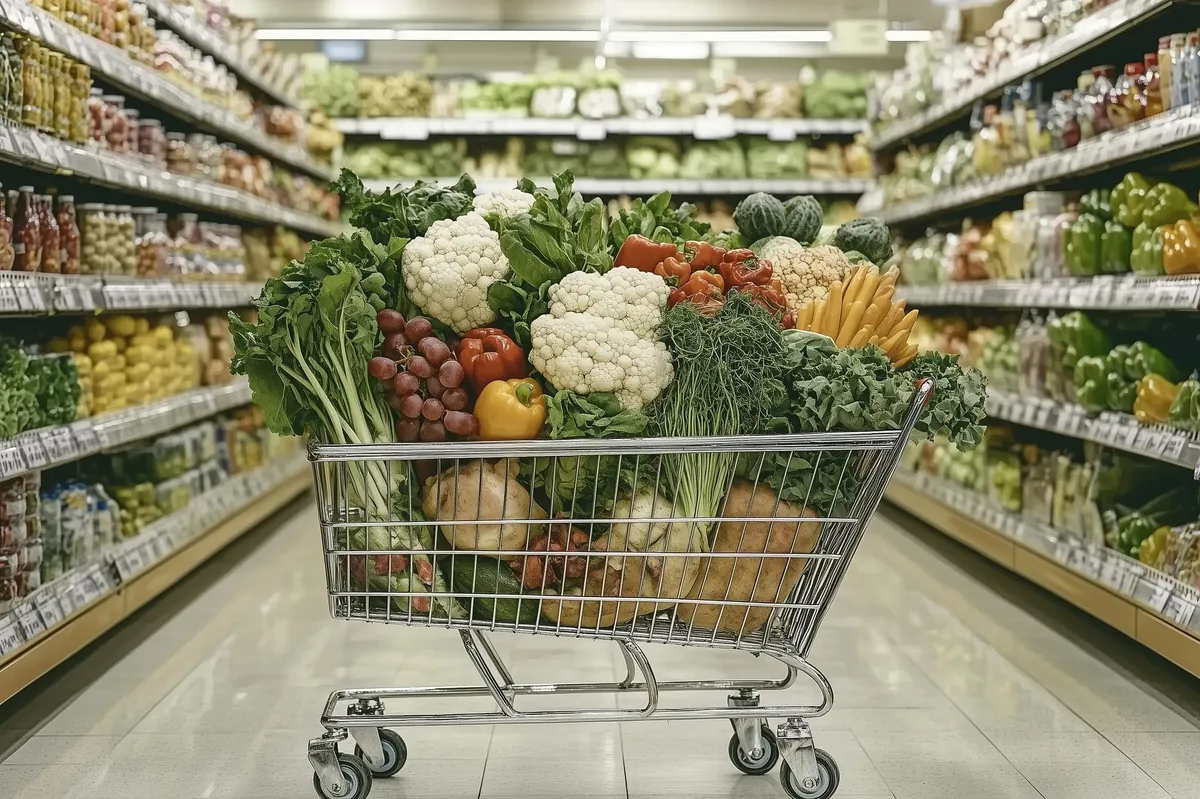
Here’s the thing nobody tells you: the reason healthy eating feels expensive isn’t because vegetables cost too much. It’s because you’re shopping without a system. You wander into Whole Foods (or honestly, any grocery store), grab whatever looks virtuous, and end up with a cart full of random ingredients that don’t connect to actual meals. Then half of it rots in your fridge while you order takeout because “you don’t have anything to eat.”
Sound familiar?
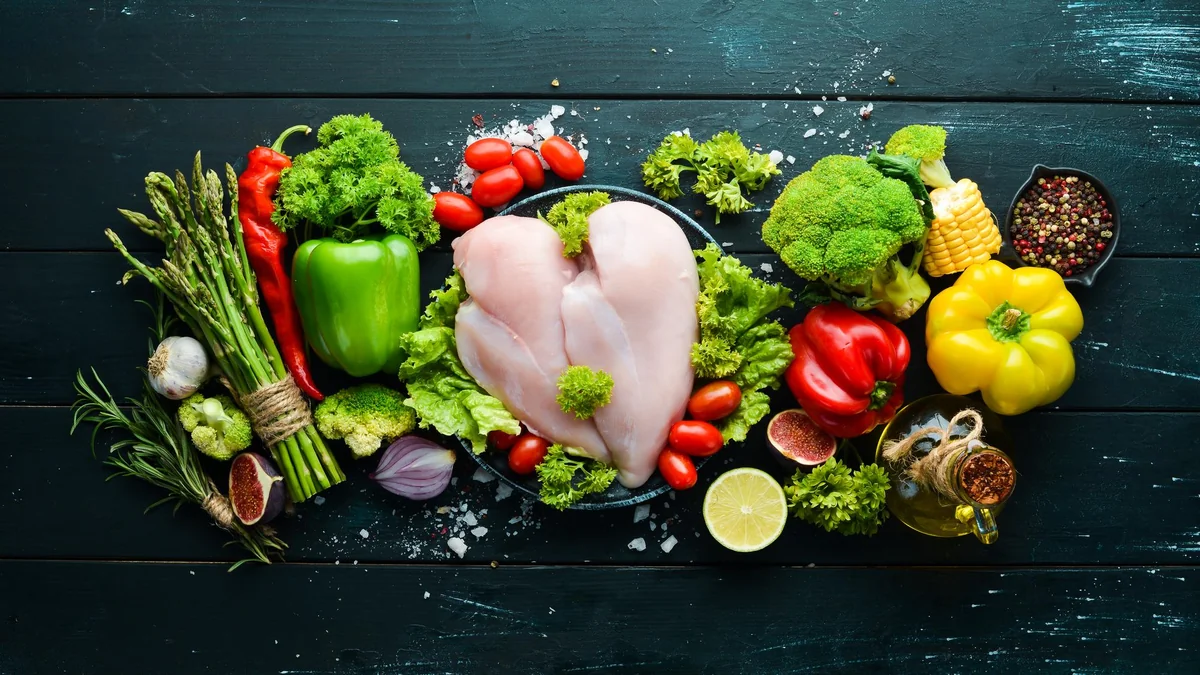
The system I’m talking about isn’t complicated — it’s just intentional. You need three things: a meal plan that repeats, a shopping list you actually follow, and the ability to cook one ingredient seventeen different ways. That last part sounds harder than it is. Chicken thighs, for example. Roast them with lemon on Sunday, shred them into tacos Tuesday, throw them in a stir-fry Thursday. Same protein, three completely different meals, zero food waste.
And look, I get it. When you’re tired after work, the idea of “meal planning” sounds about as appealing as doing your taxes. But we’re not talking about becoming a food blogger here — we’re talking about spending 15 minutes on Saturday writing down what you’ll eat this week. That’s it. That’s the system.
The wild part? Once you have that system, you stop impulse buying. You stop throwing away wilted spinach. You stop convincing yourself that the $9 açai bowl is “an investment in your health” when you could’ve made overnight oats for 80 cents. The money you save isn’t theoretical — it shows up in your bank account by the second week.
The Smart Shopping Strategy: Where to Buy Affordable Healthy Food That Doesn’t Suck
OK so here’s the thing nobody tells you: the cheapest grocery stores aren’t always where you think they are. I spent years shopping at Whole Foods because I thought “healthy” meant “expensive organic boutique” — and then I walked into Aldi one random Tuesday and nearly cried at the produce prices.
Discount grocers are your best friend. Aldi, Lidl, Trader Joe’s (depending on your region) — they’re not sketchy. They’re just smart. They stock fewer brands, which means lower overhead, which means you get organic spinach for $2.49 instead of $5.99. Same spinach. Different bag. Your body doesn’t know the difference.
But here’s where it gets interesting — and this took me way too long to figure out. You don’t need to shop at just one store. I hit three places:
- Discount grocer for produce, eggs, nuts, and canned goods
- Costco or Sam’s Club for bulk proteins (freeze what you won’t use this week)
- Regular supermarket for the random stuff I forgot, which I try to keep minimal because that’s where they get you
Farmer’s markets sound expensive, but go an hour before closing. Seriously. Vendors don’t want to pack stuff back up — I’ve scored $3 bags of kale that would’ve been $8 that morning. Not every week, but when it works, it works.
And listen, I know this sounds like extra effort. Three stores? Planning? But once you map it out, it takes the same amount of time as wandering aimlessly through one store buying things you don’t need. The difference is you’ll spend about 40% less (I tracked this for a month — went from $180/week to $110/week for the same amount of food).
One more thing: store brands are not the enemy. The organic store-brand black beans at Kroger are made in the same facility as the name-brand ones. Same beans, different label, half the price. Stop paying for marketing.
Budget-Friendly Meal Planning That Won’t Make You Want to Give Up After Week One
OK so here’s where most people crash and burn: they meal prep like they’re training for a bodybuilding competition. Sunday rolls around and they’re cooking seventeen different recipes, portioning things into identical containers, labeling everything with masking tape. By Wednesday they’re eating sad chicken and broccoli out of Tupperware, hating their life, ordering pizza by Thursday.

Stop doing that.
The meal plan that actually works is boring on purpose — but boring in a way that doesn’t make you want to quit. I rotate the same 5-6 dinners every two weeks. Sounds restrictive? It’s not. It’s just strategic laziness.
Here’s my actual rotation (and yes, I’ve been doing this for like three years): Sheet pan chicken thighs with whatever vegetables are cheap that week. A big pot of chili that lasts three days. Stir-fry with frozen vegetables and whatever protein is on sale. Pasta with jarred marinara and a bag of spinach thrown in. Breakfast-for-dinner (eggs are $3/dozen — this is not the time for food snobbery). One “wildcard” night where I try something new or order takeout without guilt.
The trick is building your grocery list backward from these meals. Not the other way around. You’re not browsing the store thinking “oh, what should I make with this?” You already know. You buy exactly what you need, nothing else.
And batch-cooking doesn’t have to mean meal prep containers. It means making extra. When I make chili, I make enough for six servings — three for dinner this week, three go in the freezer for a night two weeks from now when I don’t feel like cooking. Same effort, double the output.
One more thing that changed everything for me: I keep a “staples” list on my phone that never changes. Rice, beans, canned tomatoes, frozen vegetables, eggs, oats, peanut butter. These are always in my house. Always. Because if I have these, I can make something edible even when the fresh stuff runs out. It’s like insurance against ordering $40 worth of DoorDash at 9 PM because “there’s nothing to eat.”
How to Shop Smart at the Grocery Store Without Falling for Expensive “Health Food” Marketing
I spent $87 on groceries last Tuesday. Came home with organic quinoa, cold-pressed juice, grass-fed beef jerky, and a bag of “superfood” trail mix. Made exactly two meals from that haul before most of it went bad. The quinoa’s still in my pantry, unopened, mocking me.
Here’s what nobody tells you: the perimeter of the grocery store — where all the “real food” lives — is also where the biggest markups hide. That organic bell pepper for $4.99? Regular one’s $1.29 and tastes identical. I’m not saying organic is a scam (though sometimes it kinda is), but you need to know when it actually matters.
The Dirty Dozen list exists for a reason. Strawberries, spinach, apples — these actually absorb pesticides, so yeah, spend the extra money. But avocados? Bananas? Onions? The thick skin protects what you eat. Buy conventional and save yourself $20 a trip.
And can we talk about the word “natural” for a second? It means absolutely nothing. Zero regulation. A bag of chips can say “made with natural ingredients” because… salt is natural. So is arsenic, technically. If that’s the only health claim on the package, put it back.
What I do now — and this feels ridiculous but works — is I calculate price per serving, not price per package. That $6 bag of frozen broccoli that seems expensive? It’s 8 servings, so 75 cents each. The $2.99 “fresh” broccoli that goes slimy in four days and yields maybe 3 servings? Actually more expensive. Plus I’m not throwing half of it away.
Store brands are the most underrated move in healthy eating. The Trader Joe’s frozen vegetables are identical to name brands (often from the same facility). Their canned beans, their oats, their rice — same stuff, different label, 40% cheaper. My buddy who works in food distribution confirmed this. It’s literally repackaged.
One last thing: if the health claim is on the front of the package in huge letters, flip it over and read the actual ingredients. “High in protein!” usually means they added whey powder to something that didn’t need it. Real food doesn’t need to sell itself that hard.
Conclusion
So honestly? Healthy eating isn’t about buying the most expensive stuff or following some influencer’s meal plan. It’s about reading labels like you’re actually paying attention, not throwing away half your groceries, and realizing that frozen vegetables are basically a cheat code.
Start with one thing. Maybe it’s swapping your breakfast cereal for something that doesn’t have sugar in the first three ingredients. Maybe it’s buying store brand beans instead of name brand. You don’t have to overhaul your entire kitchen in one weekend — that’s how people burn out and end up back at the drive-through.
The food industry is counting on you not reading the back of the package. Don’t make it that easy for them.
Frequently Asked Questions
Q: What’s the actual difference between “healthy eating” and just dieting?
A: Healthy eating is about building habits you can maintain without feeling miserable — dieting is usually temporary restriction that ends the second you hit a goal weight. One focuses on what you add (more vegetables, better protein sources), the other focuses on what you take away. I’ve watched people “diet” for decades and never actually get healthier.
Q: How much should I realistically spend on groceries if I want to eat healthier?
A: Honestly? You can do it on the same budget if you stop buying prepared foods and cook from scratch. A bag of dried beans costs like $1.50 and makes eight servings — compare that to a $4 can of “organic artisanal beans” that serves two. The expensive part isn’t healthy eating itself, it’s buying into the wellness industry’s version of it.
Q: Can I eat healthy without giving up foods I actually enjoy?
A: Yeah, and anyone who tells you otherwise is selling something. The goal isn’t to eat plain chicken breast and steamed broccoli until you die — it’s to make better choices most of the time while still having pizza on Friday. I still eat ice cream; I just don’t eat the entire pint in one sitting anymore (well, usually).
Q: Why does healthy food go bad so much faster than processed stuff?
A: Because it doesn’t have preservatives designed to keep it shelf-stable for months. Fresh produce, real meat, actual dairy — they’re supposed to spoil eventually. That’s not a bug, it’s a feature. If your bread lasts three weeks without molding, you should probably wonder what’s in it.
Q: How do I start eating healthier when I hate cooking?
A: Start stupid simple: rotisserie chicken from the grocery store, bagged salad, microwaveable brown rice. You don’t need to become a chef overnight. Once you realize that eating better makes you feel less like garbage, you might actually want to learn a few basic recipes — but even if you don’t, there are shortcuts that don’t involve drive-throughs.
Q: Is meal prepping actually necessary for healthy eating, or is that just Instagram nonsense?
A: It’s helpful, not necessary. Meal prep works great if you’re the type of person who likes batch cooking on Sunday — but plenty of people eat healthy by just cooking dinner and eating leftovers the next day. The Instagram version with 47 matching containers is pure performance; real meal prep is throwing chicken thighs in the oven and chopping vegetables while they cook.
Q: How long does it take to actually feel different after changing your diet?
A: Most people notice better energy and less brain fog within a week or two of cutting way back on sugar and processed carbs. Weight changes take longer — maybe a month before you see real differences. But that initial “oh wow, I don’t feel like I need a nap at 2pm anymore” moment? That hits surprisingly fast once you stop eating like a teenager.