
Why Your Food Safety Audit Prep Strategy Is Probably Backwards
OK so I’m going to say something that might piss off half the quality managers reading this: most facilities spend 80% of their audit prep time on the stuff that barely moves the needle. I’ve watched this happen at least a dozen times now — teams scrambling to polish floors and organize paperwork while completely ignoring the actual risk areas auditors care about.
Here’s what I mean. Last month I talked to a plant manager who spent three days before his SQF audit getting everyone to deep-clean the break room and repaint parking lot lines. Noble effort. But his cold chain monitoring system had gaps you could drive a truck through, and his allergen controls were basically “we’re pretty careful about it.” Guess which one the auditor hammered him on?
The backwards strategy goes like this: you start with the visible stuff because it feels productive. Clean walls. Organized files. Fresh labels on everything. It’s tangible work that makes you feel like you’re accomplishing something. And look — I’m not saying those things don’t matter. They do.
But auditors aren’t interior decorators.
They’re looking for evidence that your food safety system actually prevents hazards. They want to see that you understand your process, that you’ve identified where things can go wrong, and that you’ve built controls around those points. The shiny floors are just set dressing.
So what should you focus on instead? Start with your HACCP plan or preventive controls — whatever your framework is — and work backwards from there. Can you prove your critical limits are based on actual science and not just “this is what we’ve always done”? Can you demonstrate that when something goes out of spec, your team knows exactly what to do without checking a manual? Can you show validation studies that aren’t from 2026?
And here’s the thing nobody talks about: auditors can smell rehearsed answers from a mile away. If your line workers sound like they’re reciting from a script when asked about GMPs, that’s almost worse than not knowing. Real training sticks. Theater doesn’t.
The facilities that ace audits — and I mean consistently, not just once by luck — they live their food safety programs every single day. They’re not cramming the week before like it’s a college exam.
The Daily Checklist That Makes Surprise Inspections Feel Like a Non-Event
I keep a photo on my phone from a surprise inspection in 2026 — the auditor’s face when our prep cook pulled out the daily checklist mid-shift and walked him through every single item we’d already covered that morning. No panic. No scrambling. Just Tuesday.
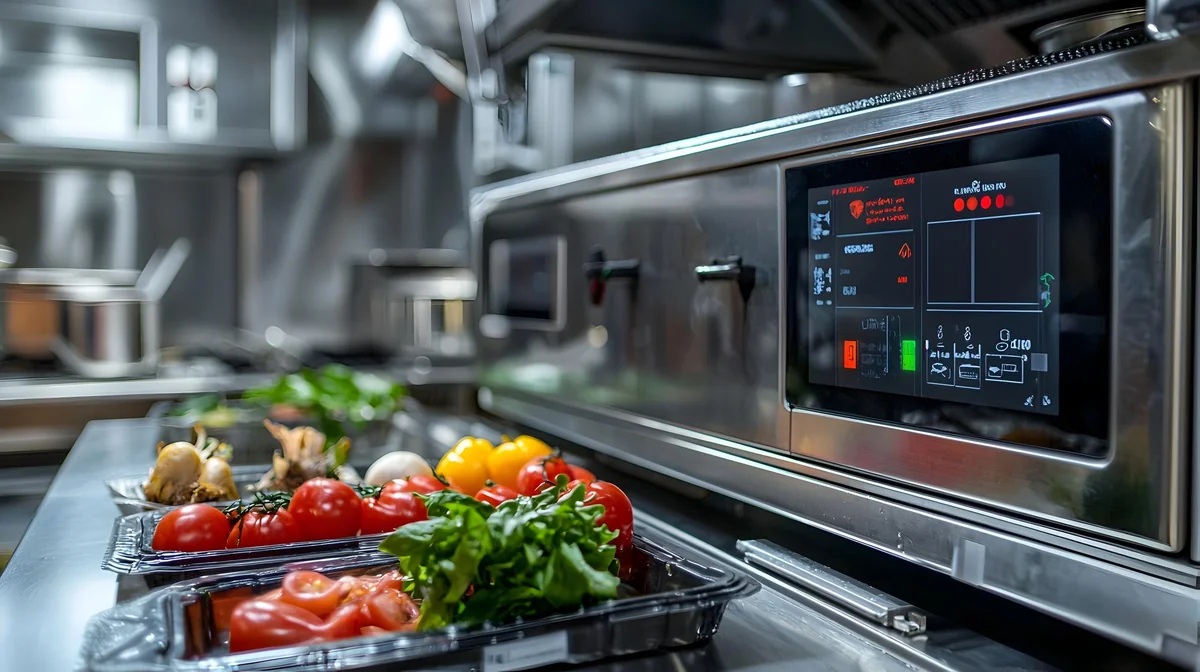
That’s what a real daily routine does.
So here’s what actually needs to happen every single day, before you even think about production. And I mean every day, not just when the calendar says “inspection week probably coming up.” Temperature logs first thing — walk-in coolers, freezers, hot holding units. Write down the actual numbers. If your team is recording 38°F for the walk-in fourteen days straight without variation, you’re either lying or your thermometer is broken. Both are bad.
Next up: visual checks on the stuff that degrades between deep cleans. Gaskets on cooler doors (they crack, they leak, they fail). Floor drains — are they backing up, do they smell, is there standing water? Handwashing stations stocked with soap and paper towels at every single one, not just the ones visible from the office. I’ve seen facilities lose points because the back prep area had an empty soap dispenser that had been empty for three days.
Then you’ve got your pest monitoring. Check those traps. Log what you find, even if it’s nothing. Especially if it’s nothing, actually — because a pattern of “no activity” that suddenly changes to “three mice in the dry storage trap” tells you something happened and you can respond before it becomes an infestation.
The receiving checklist matters more than people think. Every delivery gets a temperature check before it comes in the door. Packaging integrity. Expiration dates. This is where you catch problems before they’re your problems.
And look — I’m not saying this makes inspections fun (they’re never fun). But when the inspector shows up and your team is already doing the exact things they’re about to check for? That’s when surprise inspections stop feeling like ambushes and start feeling like… just another Tuesday.
Documentation Systems That Actually Work During a Food Safety Audit
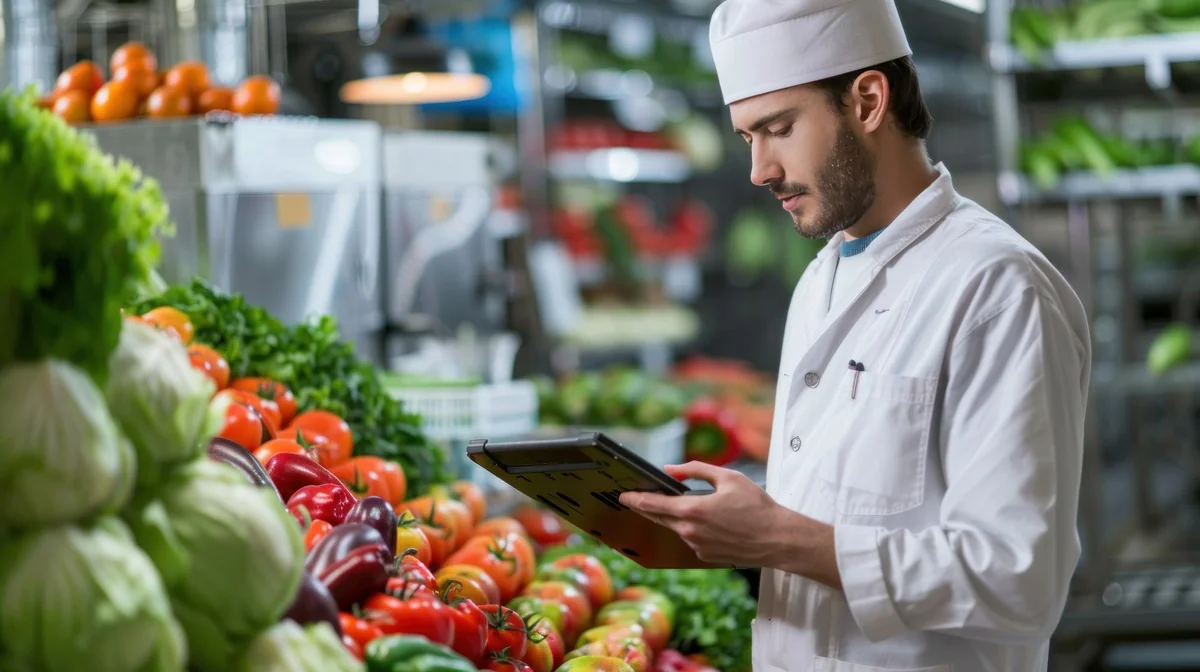
Here’s what nobody tells you about documentation: the actual system matters way more than how thorough you are. I’ve watched operators with three-ring binders full of meticulously handwritten logs fail inspections, while places running simple digital checklists on old iPads sail through. The difference? One system made it impossible to skip steps. The other relied on people remembering stuff at 5am.
So let’s talk about what actually holds up when an auditor shows up unannounced.
Temperature logs need timestamps that make sense with your operation. If your walk-in gets checked at 6:47am, 6:52am, and 6:48am on consecutive days, that tells me someone’s backfilling the sheet at the end of their shift. Auditors notice this stuff — they’ve seen every trick. The places that do it right? They log temps when they actually check them, even if the times look weird. Real operations don’t happen at perfect hourly intervals.
Digital systems win here because they timestamp everything automatically. But honestly, paper works fine if you’re disciplined about it. I know a bakery in Portland that still uses clipboards and they’ve never failed an inspection in eight years.
Your corrective action log is where auditors spend the most time, and this is where most places fall apart. Because here’s the thing — it’s not about never having problems. Every kitchen has problems. What matters is showing you caught the problem, you fixed it, and you changed something so it won’t happen again.
“Cooler temp was 43°F, discarded chicken, adjusted thermostat” isn’t enough. What they want to see: “Cooler temp was 43°F at 7:15am, removed 8 lbs chicken (logged as waste), called repair tech (invoice #4429), moved product to backup cooler, verified temps every 2 hours until repair completed at 2:30pm.” That’s a corrective action that tells a story.
And keep everything for at least six months — some jurisdictions want a year, but six months covers most audit windows. The moment you think “we probably don’t need these old receiving logs anymore” is exactly when an auditor will ask to see them.
Training Your Team So Inspectors Find Zero Critical Violations
I watched a line cook at a brewpub argue with a health inspector for ten minutes about whether 140°F was hot enough for holding mac and cheese. He lost. The kitchen lost their A rating. And honestly? The manager was standing right there the whole time — he just never trained anyone on proper holding temps.
Your team will make or break your inspection. Doesn’t matter how perfect your HACCP plan looks on paper.
So here’s what actually works: daily pre-shift huddles where you quiz one random food safety rule. Not a lecture. A quiz. “Hey Marco, what’s the danger zone?” If he doesn’t immediately say 41-135°F, everyone on that shift hears the right answer. Takes ninety seconds. I’ve seen kitchens drop their violation rate by half just doing this for three weeks straight.
And role-play the inspection itself — weird as that sounds. Have your sous chef walk the line pretending to be the health department. Check dates on everything in the walk-in. Ask to see temperature logs. Watch someone wash their hands and time it (because yes, inspectors actually do this). The first time you do this, you’ll find six things you thought people knew but they absolutely don’t.
Here’s the stuff that trips up even experienced cooks:
- Bare-hand contact with ready-to-eat foods — gloves or utensils only, and I still see people grabbing garnishes with their hands
- Cross-contamination during prep (raw chicken cutting board that somehow ends up near the salad station)
- Time as a public health control — if you’re holding something at room temp, you need documentation that it won’t exceed four hours
- Proper cooling procedures (that lasagna can’t just sit on the counter “cooling down” for three hours)
- Cleaning vs. sanitizing (they’re different steps, and both matter)
But the real secret? Make one person each shift the “food safety lead” — not a manager, a regular line cook. Their only job that day is to catch problems before they become violations. Empties the hand sink and someone uses it for dishes? They fix it. Thermometer missing from the cold station? They grab one.
Rotate it weekly. Suddenly everyone’s paying attention because they know next Tuesday might be their turn.
Conclusion
Look — Food Safety isn’t about memorizing a manual. It’s about building habits that stick when you’re slammed on a Friday night and three tickets just printed at once. The thermometer becomes automatic. The hand-washing becomes muscle memory. The “is this still good?” conversation happens before anyone has to ask.
Start small. Pick two things from this list and nail them this week. Next week, add two more.
And honestly? The moment you stop thinking of it as “compliance” and start thinking of it as “not making people sick” — that’s when it clicks. Because nobody opens a restaurant dreaming about health code violations. They dream about full tables and happy customers coming back. Safe food is how you keep both.
Frequently Asked Questions
Q: How long can I leave food out at room temperature before it becomes unsafe?
A: Two hours max — and that drops to one hour if it’s over 90°F outside or in your kitchen. Bacteria multiply crazy fast in what we call the “danger zone” (40°F to 140°F), so that potato salad at your backyard BBQ? Clock’s ticking the moment you set it out.
Q: What’s the actual safe internal temperature for chicken?
A: 165°F, measured at the thickest part of the breast or thigh. But here’s the thing — you need an instant-read thermometer to actually know that, not the “does it look done?” method your uncle swears by. Color is not a reliable indicator of Food Safety when it comes to poultry.
Q: Can I wash raw chicken before cooking it?
A: Don’t. Seriously, just don’t. Washing chicken splashes bacteria all over your sink, countertop, and anything within a two-foot radius. Cooking to the right temp kills everything that matters — water from your tap doesn’t.
Q: How do I know if my refrigerator is cold enough for Food Safety?
A: Keep it at 40°F or below — grab a cheap fridge thermometer (like $6 at Target) and stick it on the middle shelf. Your fridge’s built-in display might be lying to you, especially if the door gets opened 47 times a day. Check it weekly until you’re confident it’s consistent.
Q: Is it safe to thaw meat on the counter?
A: Nope. The outside hits dangerous temps while the inside is still frozen — perfect setup for bacteria. Thaw in the fridge (takes planning, I know), under cold running water, or use the microwave if you’re cooking it immediately after.
Q: Why does Food Safety matter more in restaurants than at home?
A: Volume, mostly. Restaurants prep hundreds of portions using the same cutting boards, same hands, same equipment — one contaminated batch affects way more people. At home you’re cooking for four; in a kitchen you’re cooking for forty (or four hundred). The math on cross-contamination gets exponentially worse.
Q: How long are leftovers actually good for in the fridge?
A: Three to four days for most cooked food, assuming you refrigerated it within two hours of cooking. Label everything with a date — your memory is not as good as you think when it’s Thursday and you’re staring at mystery Tupperware from “sometime this week.”
Q: What’s the best way to prevent cross-contamination when prepping food?
A: Separate cutting boards for raw meat and everything else (color-coded ones make it idiot-proof). Wash your hands every single time you switch tasks — not a quick rinse, an actual 20-second scrub. And honestly? If you just touched raw chicken, assume everything you touch next is contaminated until you’ve washed up.