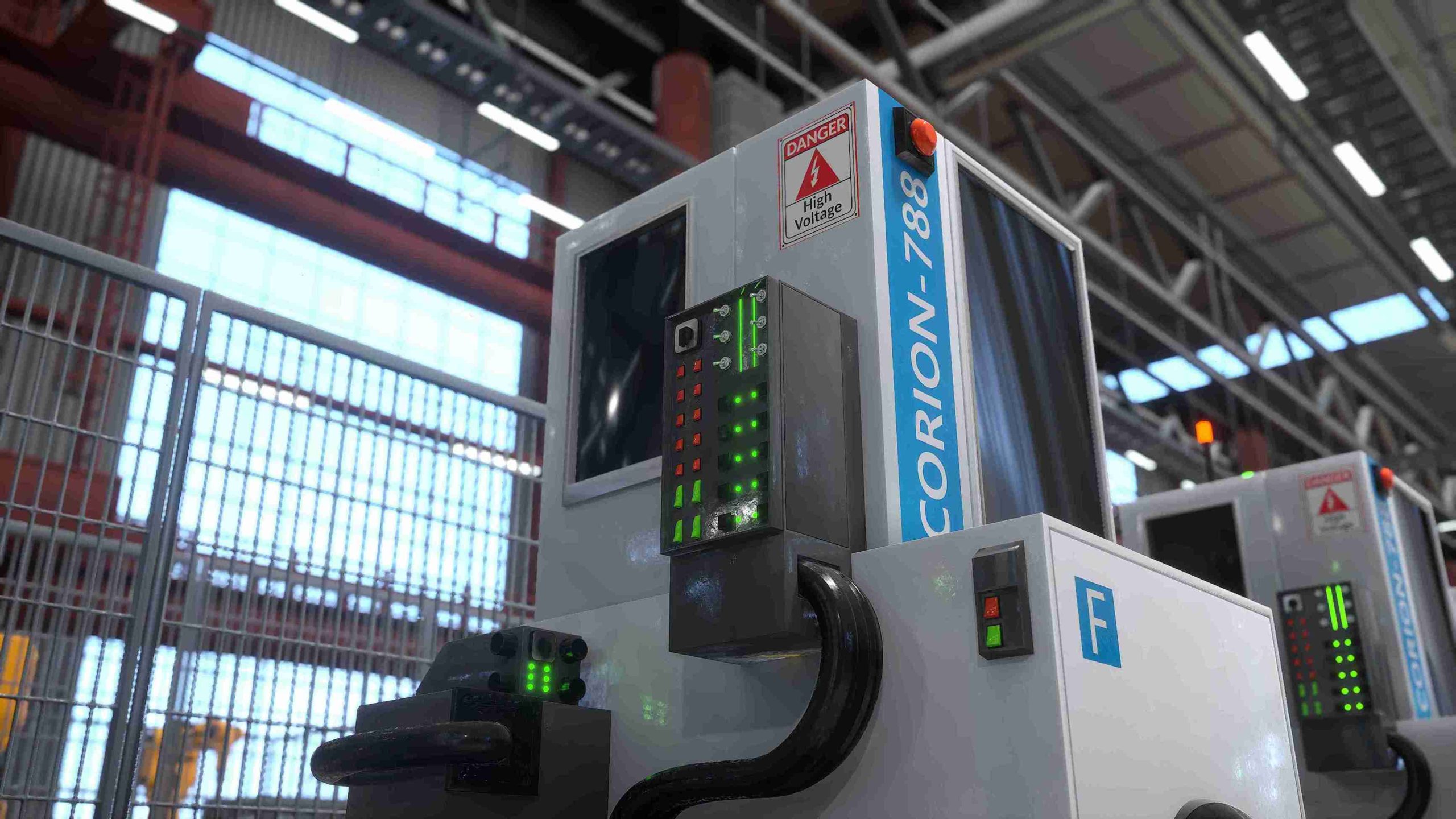
Modern households increasingly rely on clean, efficient energy solutions. A high-voltage home energy storage lithium battery stores renewable energy for later use. Yet the performance of these batteries depends on precise electrical connections. High-voltage connectors play a pivotal role in ensuring safety, efficiency, and reliability. These often-overlooked components enable energy storage systems to operate at peak performance.
In this article, we will discuss how high-voltage connectors enhance battery function, support safety standards, and accelerate the adoption of smart home energy solutions.
We will also explore innovations, real-world applications, and trends shaping the home energy storage market today.
How High-Voltage Lithium Batteries Transform Residential Energy Use
High-voltage home energy storage lithium batteries store solar or grid energy for on-demand use. They allow households to use energy during peak rates. These batteries reduce dependency on the grid and lower electricity bills. They also provide backup power during outages. Advanced high-voltage home energy storage lithium batteries store more energy in smaller units. Their high-voltage design enables efficient energy transfer.
This reduces energy loss during charge and discharge cycles. Lithium chemistry supports long lifespans with hundreds of cycles. Modern battery management systems monitor voltage, current, and temperature for safety. These systems prevent overcharging, overheating, or deep discharging. High-voltage lithium batteries form the foundation of modern smart energy homes.
Why High-Voltage Connectors Are Essential for Energy Storage Systems
A high-voltage connector is a specialized electrical component designed to safely transmit large amounts of electricity. It connects power sources, such as high-voltage home energy storage lithium batteries, to other system components like inverters or distribution units.
A high-voltage connector ensures safe and reliable electricity flow between battery cells and the inverter. These connectors maintain electrical contact under extreme conditions. They resist high temperatures, vibration, and mechanical stress. High-voltage connectors prevent short circuits, arcing, and energy loss. Their material choice, design, and insulation standards are critical.
Copper or aluminum conductors provide efficient current flow. High-grade plastics or thermoset insulators ensure safety. Connectors are rated for specific amperage and voltage limits. Poor-quality connectors reduce efficiency and can damage battery modules.
High-voltage connectors are often overlooked but are vital for system longevity and reliability. They bridge the gap between energy storage hardware and practical home applications.
How Smart Integration of Batteries and Connectors Improves Safety and Performance
High-voltage home energy storage lithium batteries require precise connections to function safely at high voltage. High-voltage connectors facilitate balanced energy flow between cells. They reduce resistance, heat buildup, and energy loss. Smart energy systems integrate sensors with connectors to monitor current flow. Any deviation triggers automatic protective actions. This prevents fires, system failures, and efficiency loss. Proper connector design also simplifies assembly and maintenance.
Modular connectors allow easy replacement of faulty cells. They support system scalability for larger storage needs. Safe, efficient connections increase confidence in residential renewable energy adoption. Homes gain reliable power storage without compromising safety or performance.
What Innovations Are Shaping High-Voltage Connectors?

High-voltage connectors are evolving with materials, design, and electronics integration. Manufacturers use advanced alloys for better conductivity and durability. Insulating materials resist heat, wear, and chemical exposure. Push-and-lock or snap-fit designs reduce assembly errors. Some connectors include integrated sensors to measure current and temperature. Smart connectors can communicate with battery management systems. AI-assisted monitoring predicts wear and warns operators of potential failures.
These innovations improve safety, reduce downtime, and increase system lifespan. They also simplify installation and maintenance in residential applications. Next-generation connectors support higher currents and voltages, meeting the demands of expanding home energy storage systems.
How Do High-Voltage Batteries and Connectors Drive Renewable Energy Adoption?
Renewable energy adoption depends on efficiency, safety, and reliability. High-voltage lithium batteries store solar or wind energy effectively. High-voltage connectors ensure that energy can be safely transferred from cells to the home. Together, they support continuous power availability. Energy storage systems reduce grid dependency and electricity costs. Smart homes with reliable storage attract environmentally conscious consumers.
They enable participation in demand-response programs, where households adjust energy usage to stabilize the grid. Well-designed connectors increase consumer confidence. Users are less likely to experience system failures. High-performance batteries paired with reliable connectors accelerate the global transition to renewable energy solutions.
A Real-World Example: Residential Energy Upgrade
A mid-sized home in California installed a high-voltage home energy storage lithium battery to maximize solar energy usage. The system included modular battery packs connected using advanced high-voltage connectors. Sensors monitored current and temperature at each junction. During summer, high ambient temperatures tested the system. Smart connectors detected rising resistance and adjusted load distribution to prevent overheating.
The result was uninterrupted energy supply for the household. The connectors allowed quick replacement of one battery module without shutting down the system. This case highlights the importance of reliable connectors in protecting both the battery and the home. Energy efficiency and safety were optimized simultaneously.
What Future Trends Are Expected in High-Voltage Home Energy Storage?
The market is moving toward larger, more modular storage systems. High-voltage batteries will store more energy in smaller footprints. High-voltage connectors will become smarter, with integrated sensors for real-time monitoring. AI and edge computing will predict performance issues before they occur. Manufacturers will design connectors for faster installation and lower maintenance. Materials will continue improving for better thermal and mechanical resilience.
Homes will integrate energy storage, EV chargers, and smart appliances through standardized connectors. The synergy between advanced batteries and innovative connectors will make home energy storage safer, more efficient, and user-friendly.
Conclusion:
High-voltage home energy storage lithium batteries and high-voltage connectors form the backbone of modern residential energy solutions. Batteries provide efficient energy storage, while connectors ensure safety, durability, and reliable current flow. Together, they enable smart homes to store, manage, and use renewable energy efficiently. Technological advances in connector design, materials, and monitoring systems are critical to long-term system performance.
As households adopt solar panels, wind turbines, and smart energy devices, these components ensure reliable, safe, and high-performing operation. Investing in high-quality batteries and connectors supports sustainability, reduces energy costs, and future-proofs homes for the growing clean energy economy.