Modern retail spaces rely on thoughtful design to influence perception and buying behavior. Stores now blend materials, lighting, and structure to guide customers and build emotional connection. Brands that invest in curated environments often achieve stronger loyalty and higher product value recognition.
In this article, we will discuss how jewelry display cases and metal screen room dividers help brands shape a premium atmosphere, improve product visibility, and support a more memorable retail experience. Without any further delay, let’s begin with our article!
How Does a Jewelry Display Case Enhance Perceived Value and Brand Storytelling?
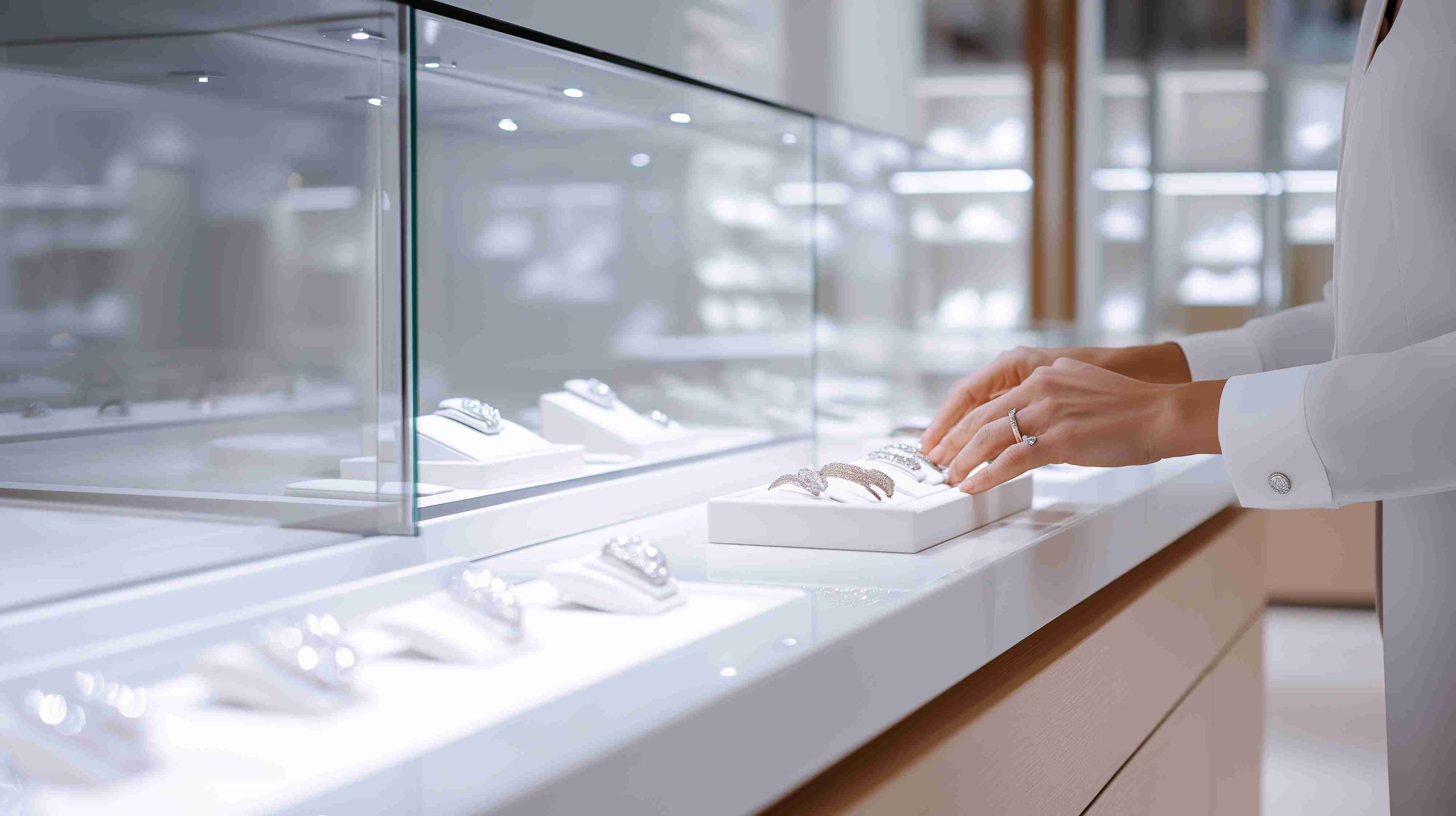
A jewelry display case serves as a primary stage for visual storytelling. Its structure defines how customers see, compare, and judge each piece. A well-designed case uses lighting, angles, and spacing to highlight fine craftsmanship. Every detail guides the viewer’s attention toward texture, color, and unique elements of each item. This careful arrangement elevates perceived value even before physical contact begins.
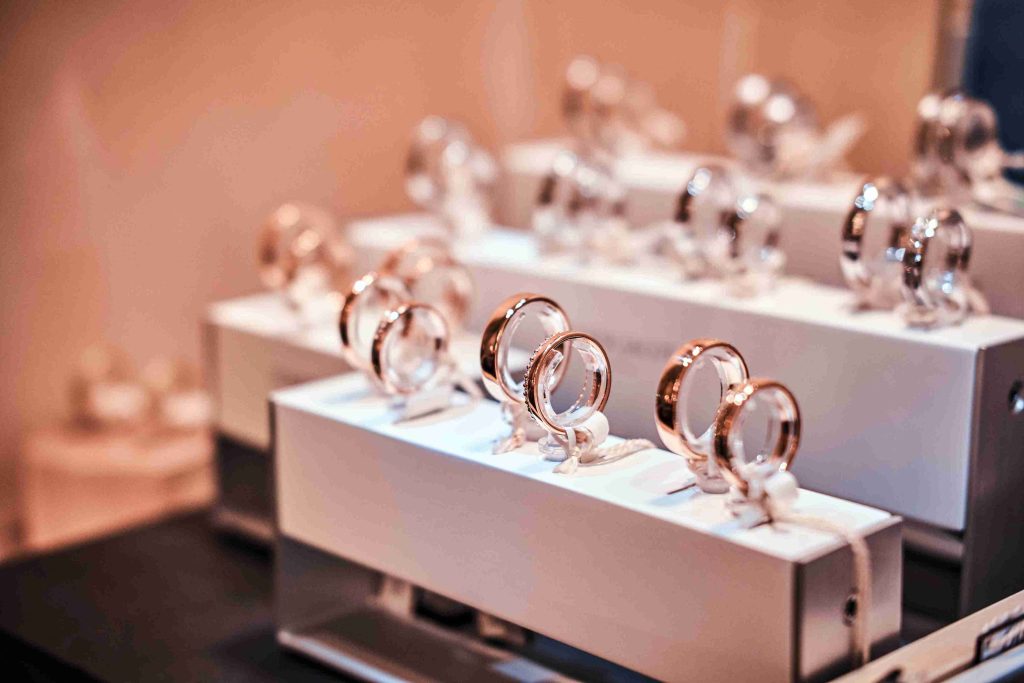
Brands also use display cases to express personality. Minimalist cases communicate modern luxury. Warm wood frames express heritage and craft. High-gloss metal frames signal precision and contemporary style. Each design reflects the brand’s identity and influences emotional response.
Security features add another layer of trust. A jewelry display case with reinforced glass and hidden locks protects valuable items while maintaining open visibility. Organized trays and modular shelves help staff manage stock while presenting items neatly. Clear structure reduces clutter and helps customers focus on key collections.
What Role Does a Metal Screen Room Divider Play in Space Planning and Atmosphere?
A metal screen room divider helps retailers manage space without building solid walls. Its open structure creates flexibility while keeping the store visually connected. This balance supports a relaxed flow where customers explore comfortably.
Metal screens introduce texture and pattern into the environment. Designs vary from geometric cuts to artistic motifs. Each pattern affects the atmosphere and guides visual rhythm. Retailers choose screens that match brand personality. Clean lines support modern luxury brands. Intricate patterns suit artistic or cultural themes.
These screens help shape zones for different product categories. They also manage customer movement. A well-placed divider directs foot traffic naturally toward highlighted sections. It separates service zones, lounge areas, and product displays without blocking visibility.
Metal is durable and maintains shape even under heavy use. Powder-coated surfaces resist scratches. Brushed or polished finishes add sophistication. This material works well under different lighting conditions because it reflects subtle highlights without overpowering the environment.
Metal screen room dividers also support privacy. They help create calm shopping corners for premium product try-ons or consultations. Customers feel more comfortable when they have space that feels personal but not enclosed.
How Do Jewelry Display Cases and Metal Screen Room Dividers Work Together to Shape Brand Identity?
Both elements work together to reinforce a strong brand environment. A jewelry display case focuses attention on products. A metal screen room divider shapes the space around those products. Together, they build a coherent language that customers understand instantly.
Matching finishes create a unified visual identity. A brushed metal divider pairs well with a matching jewelry case frame. A black matte screen complements minimalist glass cases for a clean, modern look. Coordinated materials help the space feel intentional.
This combination also manages sightlines. Dividers frame the view and guide attention toward highlighted cases. Customers experience curated perspectives while moving across the store. The environment feels structured but not restrictive.
How Does Thoughtful Spatial Design Improve Engagement and Encourage Longer Visits?
A well-designed space influences customer comfort and curiosity. Jewelry display cases attract attention through clarity and detail. Metal screens create pathways that spark discovery. Together, they shape a journey that feels intuitive and visually engaging.
Customers tend to stay longer in spaces with balanced lighting and clear organization. Display cases present products without clutter. Screens divide the store into zones that feel manageable and inviting. Each area offers a new visual experience. Interactive features also deepen engagement. Open-top display cases allow customers to see textures closely. Light patterns on screens add interest during movement. Comfortable spaces increase browsing time and encourage repeat visits.
Spatial design also reduces decision fatigue. Customers understand the flow and know where to find items. Cases highlight premium products. Screens guide them toward accessory sections or service points. The layout feels purposeful and easy to navigate. Longer visits often lead to higher conversion rates. Customers develop stronger emotional connections to premium products. They also feel more confident when making decisions in environments that support clarity and comfort.
How Can Retailers Use These Elements to Support Future Expansion and Digital Integration?
Jewelry display cases and metal screen room dividers support both current needs and future upgrades. Their modular designs allow fast adjustments for seasonal changes or new product lines. Retailers can reposition screens and update case layouts without major renovation.
Digital integration is now essential for modern spaces. Display cases can include smart lighting, sensors, or transparent screens that show product details. Metal screens can support mounted digital signs or interactive platforms. These upgrades enhance storytelling and help retailers modernize without redesigning the entire store. Smart layout planning also supports omni-channel strategies. Cases help present online-exclusive pieces during in-store promotions. Screens create branded backgrounds for social media moments or video content.
For expansion, modular elements reduce cost and time. A unified design language allows new stores to maintain consistent brand identity. Retailers can scale faster while keeping visual quality high. This efficiency supports long-term growth.
Both elements also align with environmental upgrades. Metal screens are long-lasting and recyclable. Modern cases use energy-efficient lighting. These choices support sustainability goals and appeal to conscious consumers.
Thoughtful planning ensures these elements stay relevant as customer expectations evolve. Retailers maintain flexibility while protecting brand identity and visual appeal.
Conclusion:
Jewelry display cases and metal screen room dividers shape the foundation of modern retail identity. They help brands frame products with clarity, guide customer flow, and support immersive storytelling. Each element blends aesthetic appeal with practical value. Together, they create a balanced environment where customers feel comfortable, curious, and engaged.
These features reinforce brand atmosphere and elevate product perception across every zone. As retail expectations rise, thoughtful spatial design becomes a strategic advantage. It supports long-term growth, strengthens customer trust, and keeps the experience consistent across different store formats.