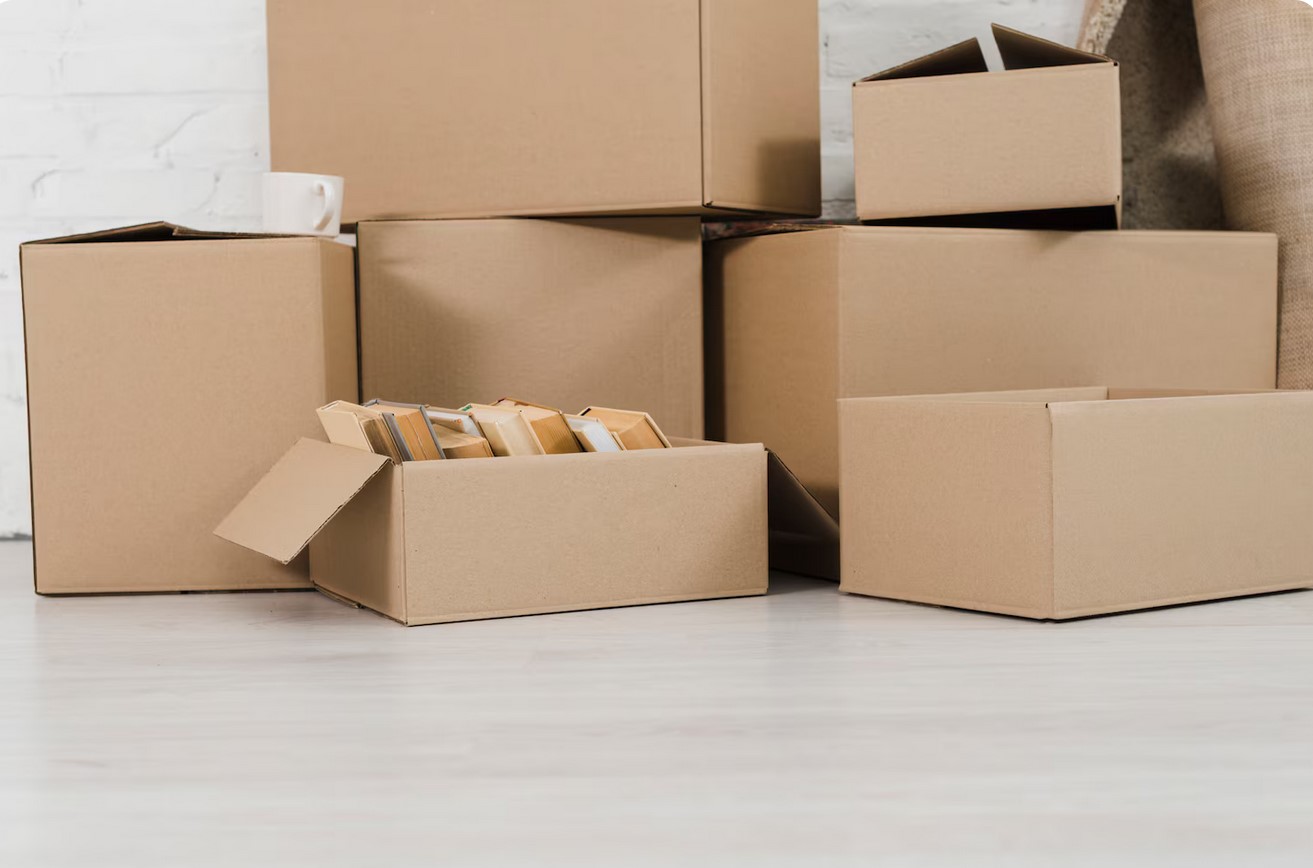
Packaging plays a vital role in protecting products during storage, transportation, and retail display. Among the most widely used packaging materials are corrugated and carton boxes. These boxes are used in food packaging, electronics shipping, retail distribution, and many other sectors.
However, manufacturing high quality packaging requires specialized machinery and precise manufacturing processes. One of the most important machines used in carton production is the folding gluing and stitching machine. This equipment transforms flat corrugated sheets into finished boxes through folding, bonding, and stitching processes.
Understanding how this machine supports the production of corrugated boxes helps explain how modern packaging manufacturers achieve speed, consistency, and structural strength in their packaging solutions.
Why Are Corrugated and Carton Boxes Important in Modern Packaging?
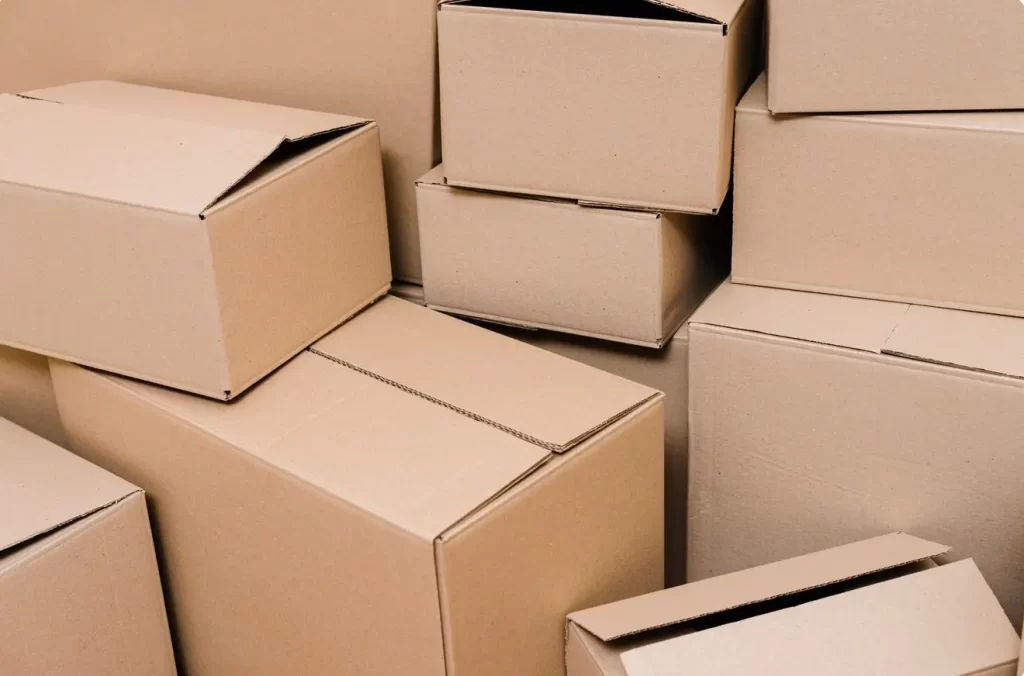
Corrugated and carton boxes are widely used because they offer an effective balance between protection and affordability. These boxes are designed with layered paper structures that provide strength while remaining lightweight.
One major advantage is product protection. Corrugated structures absorb shocks and vibrations during transportation. This helps reduce the risk of product damage during shipping and handling. Another important feature is versatility. Carton boxes can be produced in various sizes and shapes to accommodate different products. From small retail items to large industrial goods, corrugated packaging provides adaptable solutions.
Sustainability also contributes to their popularity. Corrugated boxes are typically made from recyclable paper materials. This allows businesses to adopt environmentally responsible packaging practices. Companies such as Bosing Packaging manufacture corrugated and carton boxes designed to meet the needs of diverse industries. Their packaging solutions help businesses protect goods while maintaining efficient logistics operations.
What is a Folding Gluing and Stitching Machine?
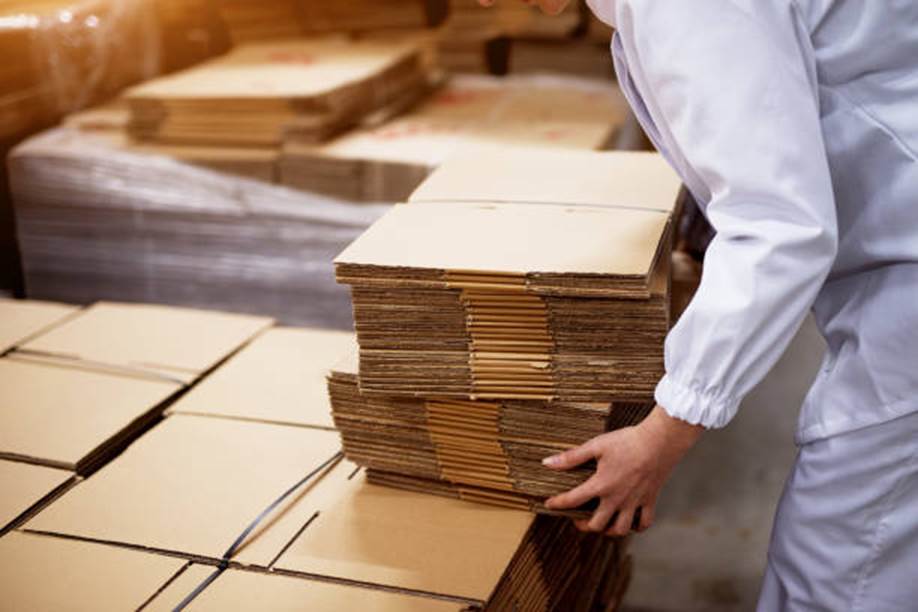
A folding gluing and stitching machine is a specialized piece of equipment used in the final stage of carton box production. This machine converts flat die cut corrugated sheets into fully formed boxes. The process begins with folding. The machine automatically folds the carton along pre designed creases. Accurate folding ensures that the box maintains its intended structure.
After folding, the machine applies adhesive or stitching to secure the joints of the box. Gluing is commonly used for lightweight packaging, while stitching or nailing provides additional strength for heavy duty cartons. Modern machines developed by Caida Machinery are fully computer controlled. This allows operators to manage production settings easily and store up to 1,000 production orders for future use.
Through automation and precise control, the folding gluing and stitching machine significantly improves efficiency in carton manufacturing.
How Does the Machine Improve Efficiency in Carton Box Production?
Efficiency is essential in large scale packaging manufacturing. A folding gluing and stitching machine helps improve production speed while maintaining consistent quality.
One key feature is quick size adjustment. The machine allows carton size changes within three to five minutes. This capability enables manufacturers to switch between different box sizes quickly. The stitching mechanism also enhances productivity. The nail head is powered by a servo motor and uses a swinging head design. This system allows the machine to reach a mechanical speed of up to 1,000 nails per minute.
The machine can also produce different types of cartons. Both bottomless boxes and covered boxes can be nailed when specified during equipment configuration. Companies such as Caida Machinery design these machines to support high speed manufacturing processes. Their equipment helps manufacturers like Bosing Packaging produce corrugated and carton boxes efficiently while maintaining structural reliability.
How Does the Machine Ensure Accurate and Smooth Paper Feeding?
Accurate paper feeding is essential for producing well shaped cartons. Misalignment during feeding can result in defective packaging or production delays.
The folding gluing and stitching machine uses a front edge belt system to feed paper into the machine. This mechanism ensures that the corrugated sheet moves smoothly and remains properly aligned. Another important feature is the side slapping device. This component aligns the paper sheets during feeding to maintain neat positioning. Proper alignment helps prevent skewed cartons during the folding and stitching process.
These features improve both production efficiency and product quality. Accurate feeding allows the machine to maintain stable operation even during high speed production. Equipment developed by Caida Machinery integrates these mechanisms to ensure reliable performance. As a result, manufacturers producing corrugated and carton boxes can maintain consistent product quality throughout the production process.
What Benefits Do Automated Machines Bring to Corrugated Packaging Manufacturing?
Automation has significantly improved modern packaging production. A folding gluing and stitching machine equipped with computerized control systems offers several advantages.
One major benefit is production consistency. Automated systems ensure that every carton is folded and secured with the same precision. This reduces human error and improves overall quality control. Order management is another important advantage. Computer controlled machines can store up to 1,000 orders, allowing operators to recall production settings quickly. This feature reduces setup time and improves workflow efficiency. Automation also increases production capacity. High speed stitching and precise folding allow manufacturers to produce large quantities of cartons within shorter time frames.
Companies such as Bosing Packaging benefit from these technological improvements. With support from advanced equipment developed by Caida Machinery, they can manufacture corrugated and carton boxes that meet modern packaging demands. These automated systems help packaging manufacturers maintain competitiveness in global supply chains.
Conclusion:
Packaging manufacturing depends on specialized machinery and efficient production systems. Corrugated and carton boxes are widely used for their strength, flexibility, and recyclability, but large scale production requires precise equipment. Folding gluing and stitching machines convert flat sheets into finished cartons with computerized control, fast size adjustment, and accurate feeding systems, improving speed and efficiency. Bosing Packaging and Caida Machinery highlight how automation and engineering enhance packaging quality. This integration supports reliable solutions for logistics, retail, and product protection.