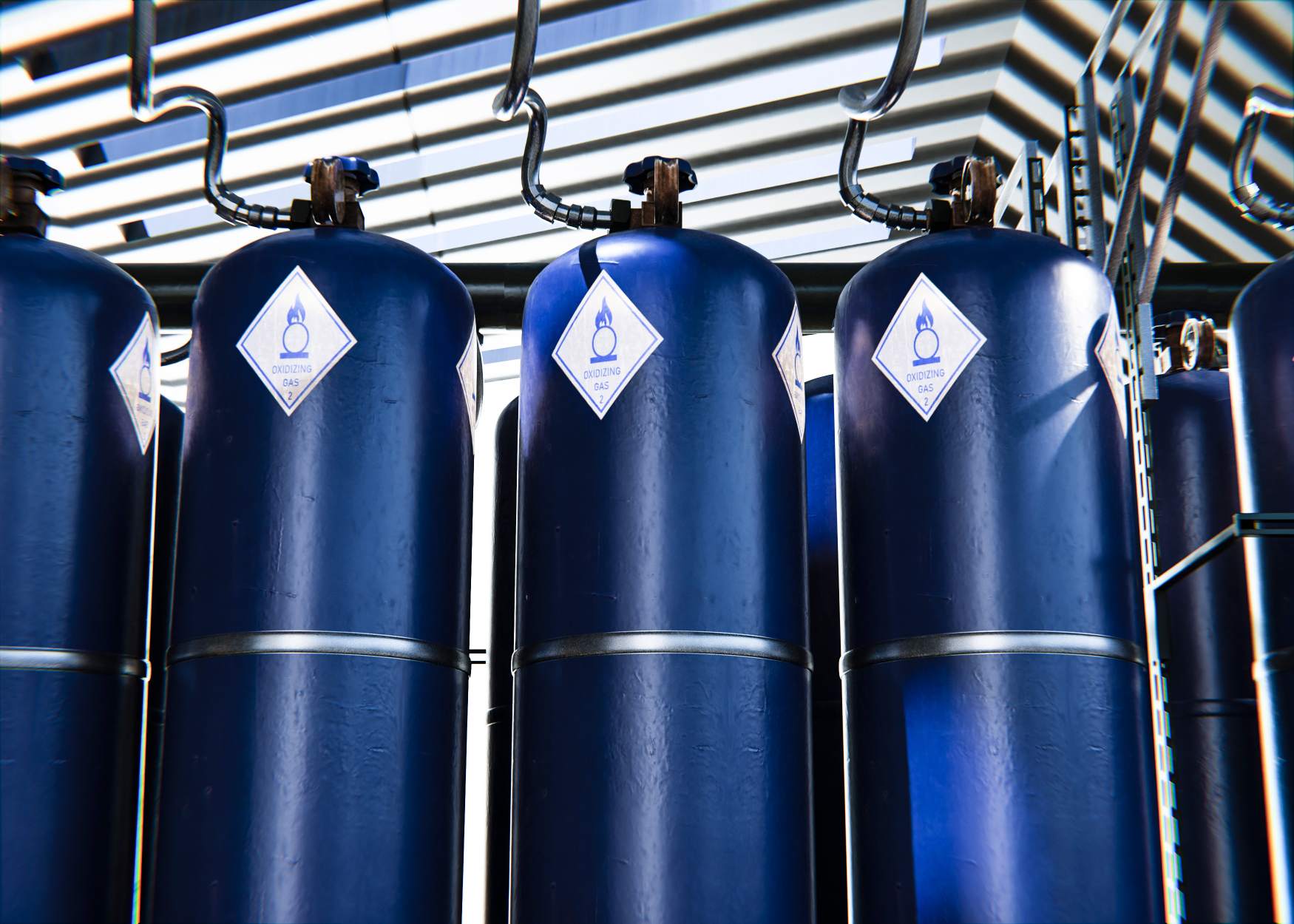
Industrial gas cylinders are everywhere (from food processing and beverage production to medical and safety applications) but have you ever wondered what makes them so reliable under high pressure?
Take carbon dioxide cylinders, for example: they handle intense pressure for carbonation, fire suppression, and packaging, yet one tiny flaw in the material could cause serious problems. What goes into ensuring that these cylinders perform safely and consistently?
A key piece of the puzzle lies in the raw materials used during production. Many manufacturers turn to aluminum for its combination of strength, lightness, and resistance to corrosion, but not all aluminum is created equal. The way it’s formed and processed can make all the difference. Behind every high-quality CO2 cylinder is a careful collaboration between a specialized aluminum extrusion manufacturer and a trusted CO2 cylinder supplier.
Exploring this connection uncovers the hidden factors that determine the safety, durability, and performance of these critical industrial products.
What is Meant by Aluminum Extrusions?
Aluminum extrusion is a manufacturing process used to create metal components with consistent shapes and dimensions. During this process, heated aluminum is forced through a specially designed die. The die determines the cross sectional shape of the final product. Once the aluminum passes through the die, it emerges in a continuous profile that can be cut into specific lengths.
This technique allows manufacturers to produce complex shapes with high precision. Engineers can design extrusion dies that form tubes, channels, or structural components with accurate dimensions. Because the process maintains uniformity, each extruded piece closely matches the required specifications.
Another advantage of aluminum extrusion is material efficiency. The process produces minimal waste compared to other metal forming techniques. This efficiency makes extrusion both cost effective and environmentally responsible. Many industries prefer aluminum extrusion because it combines precision manufacturing with resource efficiency.
Aluminum extrusions also provide excellent structural properties. The metal retains high strength while remaining lightweight. In addition, aluminum naturally resists corrosion, which helps maintain durability in demanding environments. These characteristics make extruded aluminum components valuable in industries such as construction, transportation, and industrial equipment manufacturing.
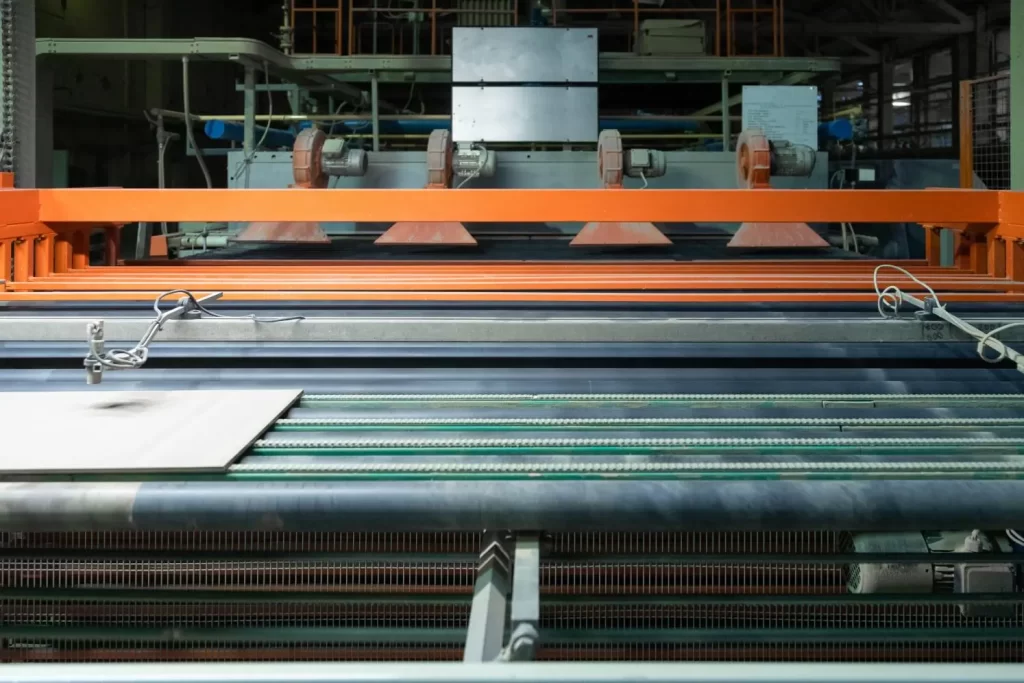
What is the Role of Aluminum Extrusions in Manufacturing of CO2 Cylinders?
The manufacturing of CO2 cylinders requires materials that can withstand high internal pressure. Aluminum extrusions provide a strong foundation for producing durable cylinder components. Their structural integrity allows manufacturers to create containers capable of safely storing compressed gases.
Extruded aluminum tubes often serve as the starting point for cylinder production. These tubes provide a consistent wall thickness and precise internal dimensions. Uniform material distribution helps ensure that pressure loads remain evenly balanced across the cylinder body. This uniformity reduces the risk of structural weaknesses.
Aluminum extrusions also support efficient manufacturing processes. Because the extruded profiles already possess the correct basic shape, manufacturers require fewer forming steps. This streamlined process improves production efficiency while maintaining strict quality control standards.
Another advantage involves the lightweight nature of aluminum. CO2 cylinders must often be transported and handled frequently. Using aluminum extrusions helps reduce the overall weight of the cylinder without compromising strength. This feature improves portability and ease of use for industrial and commercial applications.
A reliable aluminum extrusion manufacturer plays a vital role in supplying high quality raw materials for these cylinders. Consistent extrusion quality ensures that cylinder producers can maintain the structural integrity required for safe gas storage.
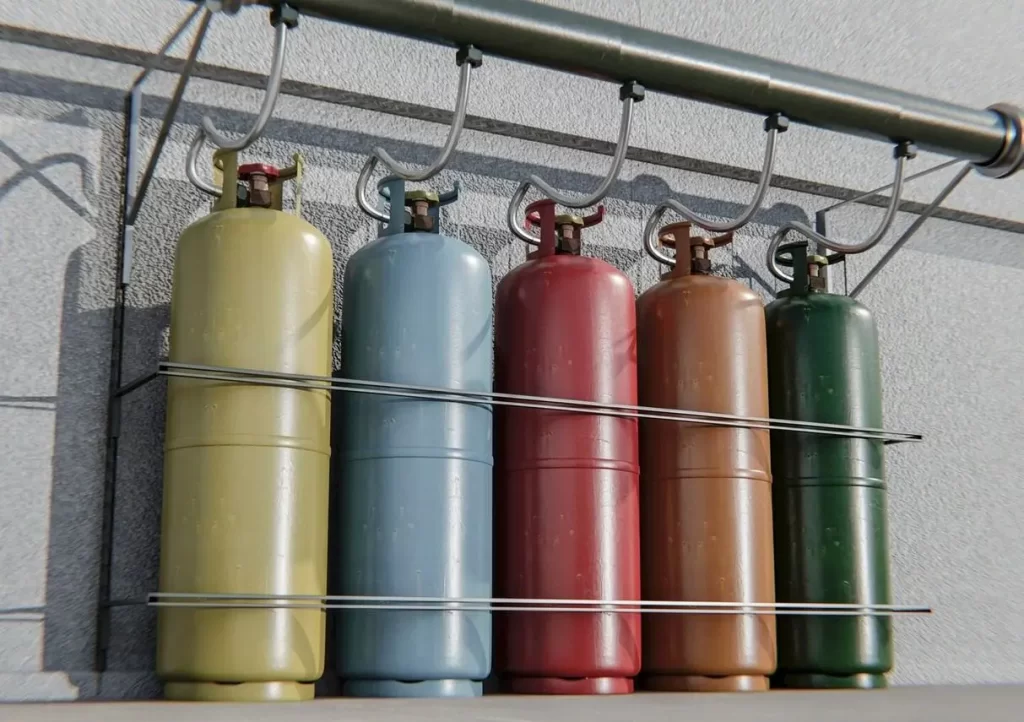
How High-Quality Aluminum Extrusions Support Safe CO2 Cylinder Production?
Safety is the most critical requirement in CO2 cylinder manufacturing. Cylinders must withstand internal pressure, mechanical stress, and environmental exposure. High quality aluminum extrusions provide the structural reliability necessary to meet these demanding conditions.
Precision manufacturing ensures uniform wall thickness throughout the extruded aluminum material. Consistent thickness helps prevent weak points that could fail under pressure. When cylinders maintain structural balance, they can safely contain compressed CO2 during storage and transportation.
Material purity also contributes to safety performance. High grade aluminum alloys provide greater strength and resistance to deformation. These alloys maintain stability even under repeated pressure cycles. As a result, cylinders made from quality extrusions demonstrate improved durability and reliability.
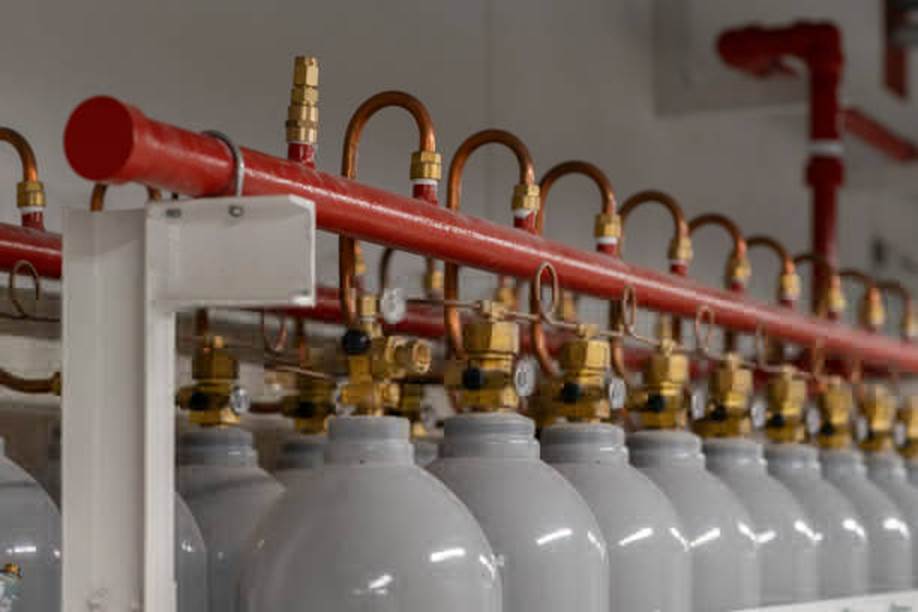
Surface quality represents another important factor. Smooth and defect free extrusions reduce the possibility of cracks or stress concentrations. Manufacturers inspect extrusion surfaces carefully to detect imperfections before further processing begins.
CO2 cylinder suppliers rely heavily on these material properties to ensure product safety. When extrusion quality meets strict engineering standards, cylinder manufacturers can confidently produce gas containers that comply with industry regulations. High quality aluminum extrusions therefore form the foundation of safe and dependable cylinder production.
Are Aluminum Extrusions the Best Option for Manufacturing CO2 Cylinders?
Several materials can be used to manufacture gas cylinders, including steel and composite materials. However, aluminum extrusions offer a balanced combination of advantages that make them highly suitable for many CO2 storage applications.
One important benefit involves weight reduction. Aluminum cylinders weigh significantly less than steel alternatives. This lighter weight simplifies transportation and handling in industries such as beverage distribution and laboratory environments. Workers can move aluminum cylinders more easily without sacrificing safety.
Corrosion resistance also gives aluminum an important advantage. Steel cylinders may require additional protective coatings to prevent rust. Aluminum naturally resists corrosion, which helps maintain long term structural integrity even in humid environments.
Manufacturing efficiency also supports the use of aluminum extrusions. The extrusion process provides consistent material quality and precise dimensions. This consistency simplifies the subsequent forming and finishing steps used in cylinder production.
Example:
A beverage carbonation company provides a practical example of how aluminum extrusions support CO2 cylinder manufacturing. Beverage producers rely on CO2 cylinders to carbonate soft drinks and sparkling beverages. These cylinders must remain reliable during frequent transport between filling facilities and distribution locations.
To meet these requirements, the company partners with a specialized aluminum extrusion manufacturer that supplies high grade aluminum tubes. These tubes are produced with consistent wall thickness and precise structural properties. Cylinder manufacturers then shape and finish the extruded material to create pressurized CO2 containers.
The use of high quality aluminum extrusions allows the beverage company to benefit from lightweight cylinders that are easy to handle. At the same time, the structural strength of the aluminum ensures safe storage of compressed gas. Because the cylinders maintain durability over repeated filling cycles, the company can operate efficiently without frequent equipment replacement.
This example demonstrates how collaboration between an aluminum extrusion manufacturer and a CO2 cylinder supplier helps maintain safety and efficiency in industrial applications.
Conclusion:
Safe storage of compressed carbon dioxide depends heavily on the quality of materials used in cylinder manufacturing. Gas cylinders must withstand high pressure while remaining durable during transportation and repeated use. Aluminum extrusion technology provides a reliable solution for meeting these demanding requirements.
Extruded aluminum offers several advantages that support cylinder production. The process produces precise shapes with consistent wall thickness, which helps maintain structural integrity. Aluminum also provides excellent corrosion resistance and lightweight properties, making it practical for many industrial and commercial applications.