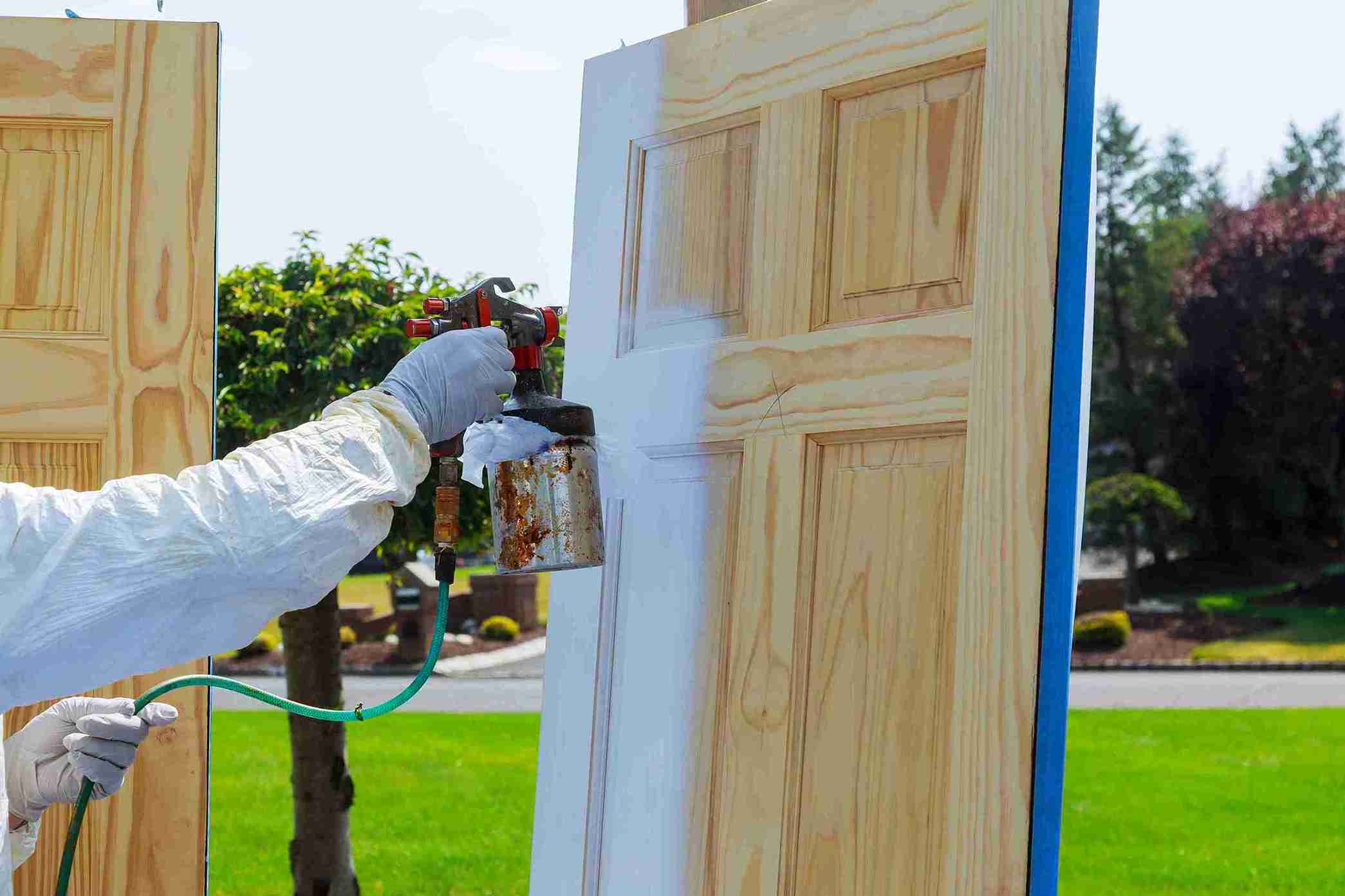
Residential design is now shaped by personal expression, color selection, and material creativity. Many homeowners seek unique interior styles that match their personalities and enhance daily comfort. This trend has increased interest in custom furniture for residencies, as clients prefer tailored pieces over mass-produced designs. One technique now gaining attention is the creative use of spray paint. This finish option allows designers to reinvent surfaces, highlight details, and achieve special textures with precision.
In this article, we will explore how spray finishes influence modern design and how it can extend furniture lifespan. Without any further delay, let’s begin with our article!
Why Spray Paint Has Become Essential in Modern Furniture Customization
Spray paint has evolved from a simple coating material into a design-focused tool that supports modern customization. This technique creates smoother surfaces than traditional brush painting. It distributes color evenly on wood, metal, MDF, and mixed materials. Designers use it to create glass-like gloss, soft matte, or textured finishes. Spray application reduces visible brush lines and enhances color depth.
Its adaptability supports minimalist, contemporary, vintage, and industrial styles. Homeowners now value spray finishes because they offer professional results at lower cost than factory lacquer. Spray coatings also allow furniture upgrades without full replacement, lowering renovation expenses.
How Spray Paint Enhances the Value of Custom Furniture for Residencies
Custom furniture for residencies allows homeowners to choose dimensions, materials, and finishes that fit personal lifestyles. Spray paint elevates these pieces by improving visual appeal and durability. It bonds well to prepared surfaces and reduces surface imperfections. For interior designers, spray applications ensure consistent tones across entire rooms. Designers can match wall shades, door trims, and cabinet colors without visible differences.
Spray paint also enhances design flexibility by enabling rapid finish changes. It supports seasonal updates, rental staging needs, or homeowner preference shifts. This adaptability makes custom pieces long lasting and visually cohesive within the space.
What Types of Spray Paint Finishes Work Best for Residential Furniture?
Residential furniture requires finishes that resist wear and support style goals. Different spray paint formulations suit different interior needs. Gloss finishes create highlights and reflections, ideal for modern homes. They work well on tables, cabinets, and entertainment units. Satin finishes offer balance between shine and softness. They remain popular for seating, shelving, and storage pieces. Matte spray finishes deliver calm and understated aesthetics.
They hide fingerprints and reduce glare. Metallic spray paints provide luxury appeal for accent furniture. Textured spray options support rustic styles. Each finish category contributes to the individuality of custom furniture for residencies.
How Spray Paint Supports Sustainable Interior Upgrades
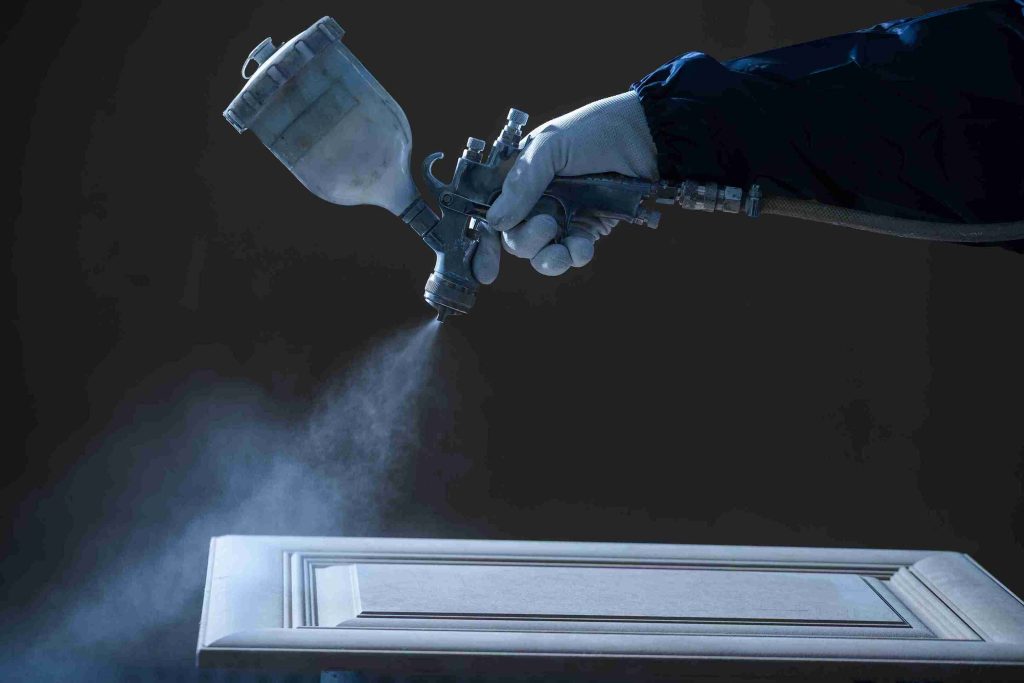
Sustainability is now central to residential design. Spray coatings enable furniture renewal instead of full replacement. Homeowners extend the lifespan of wooden and metal pieces with new finishes. This reduces waste and avoids disposal costs. Spray paint uses controlled application to limit excess material. It minimizes drips and waste when applied correctly. Water-based spray paints reduce volatile compounds for safer indoor use.
For eco-focused homeowners, spray finishes provide an efficient way to refresh interiors without significant environmental impact. When combined with durable custom furniture, this approach supports long-lasting, responsible residential planning.
How Preparation and Technique Influence the Final Result?
High-quality spray finishes require proper surface preparation. Sanding smooths rough areas and removes old coatings. Priming enhances adhesive strength. Clean surfaces support smooth application and even color. Professional sprayers maintain consistent distance and steady movement during coating. Multiple thin layers outperform heavy single coatings. Drying time between coats prevents texture defects.
For delicate custom furniture for residencies, technicians mask hardware and joints to avoid overspray. Good technique ensures long-lasting finishes that resist cracking and peeling. Preparation also determines how well spray coatings adapt to humidity or sunlight inside residential settings.
How Spray Paint Helps Designers Achieve Niche Interior Themes
Some residential themes rely heavily on specialized finishes. Modern Scandinavian spaces benefit from matte spray coatings that soften the room. Industrial lofts use metallic or charcoal finishes to highlight structural elements. Bohemian interiors use bold spray colors on cabinets or accent chairs. Transitional homes benefit from satin neutrals that bridge classic and modern aesthetics. Spray coatings help designers translate themes into functional furniture.
Because spray paint adapts to many surfaces, it becomes easier to maintain consistency when customizing multi-material furniture. This flexibility supports personalized residential styles without compromising performance or craftsmanship.
How Spray Paint Enhances Space Perception in Small Residences
Many homeowners struggle with limited space. Spray finishes influence room perception through color selection and reflective strength. Light tones make rooms appear larger. Gloss coatings reflect light to brighten compact spaces. Matte dark tones create visual depth for small bedrooms or home offices. Designers often repaint bulky furniture with soft neutral spray colors to reduce visual weight.
Spray paint also updates older wooden pieces to match modern minimalist décor. When applied to custom furniture for residencies, these strategies help homeowners maximize space without major construction work.
Why Spray Paint Helps Reduce Renovation Costs for Homeowners?
Renovating interior spaces often requires new furniture, refinishing, or upgrades. Spray coatings provide a cost-effective solution. Instead of replacing aging tables, wardrobes, or kitchen cabinets, homeowners can refresh surfaces with professional spray finishes. This reduces cost while delivering factory-level quality. Even custom furniture for residencies can undergo color modifications without structural changes.
Rental property owners also use spray coatings for quick turnover projects. Spray finishes support fast application and minimal drying time, keeping residences ready for occupancy. The technique brings new life to valuable pieces while avoiding unnecessary expenses.
How Spray Paint Allows Designers to Experiment with Color Psychology
Interior colors influence mood, comfort, and flow. Spray finishes allow designers to test different psychological effects. Warm spray colors create energy in living rooms. Cool tones bring calmness to bedrooms. Neutral shades support balance in multifunctional areas. Color gradients and subtle transitions become easier through controlled spray application. Custom furniture can reflect homeowner personalities without overwhelming the room.
Because spray coatings allow easy adjustments, residents can update interiors whenever personal preferences evolve. Color psychology remains an important tool, and spray finishes enable precise execution on residential furniture.
Conclusion:
Spray paint has become an essential tool for enhancing custom furniture for residencies. Its ability to refresh surfaces, customize colors, and improve durability makes it ideal for modern homeowners seeking unique interiors. Spray finishes support sustainable renovation, reduce costs, and create cohesive design themes.
They help designers achieve color accuracy and adapt furniture to small or large spaces. With proper preparation and application, spray coatings offer long-lasting performance and high visual impact. As residential design continues to emphasize personal expression, spray paint will remain a valuable method for transforming furniture and elevating home interiors.